

Every year, families throw away millions of reusable items that could easily find new purpose at home. With children watching and learning, turning everyday waste into creative projects is more than a fun afternoon activity. It offers hands-on lessons in recycling, sustainability, and problem-solving that can last a lifetime. Discover fresh ways to inspire your kids with creative upcycling ideas using materials you already have, all while building lasting memories and reducing household waste.
Table of Contents
- 1. Turn Old Jars Into Colorful Storage Containers
- 2. Create Animal Planters From Plastic Bottles
- 3. Make Art Projects Using Cardboard Boxes
- 4. Build DIY Bird Feeders From Milk Cartons
- 5. Transform T-Shirts Into Reusable Tote Bags
- 6. Craft Musical Instruments With Recycled Items
- 7. Organize Toy Swaps And Upcycle Together
Quick Summary
| Takeaway | Explanation |
|---|---|
| 1. Upcycle glass jars into storage | Transform old jars with paint and creativity for practical use. |
| 2. Create animal planters from bottles | Use plastic bottles to craft fun animal-shaped planters for small plants. |
| 3. Make art projects from cardboard | Turn cardboard boxes into imaginative creations and teach recycling values. |
| 4. Build bird feeders from milk cartons | Repurpose milk cartons as bird feeders to learn about wildlife and recycling. |
| 5. Convert T-shirts into tote bags | Transform unused T-shirts into reusable bags to promote sustainable fashion. |
1. Turn Old Jars into Colorful Storage Containers
Transforming those forgotten glass jars into vibrant storage solutions is a brilliant way to spark creativity and teach kids about recycling. By upcycling these everyday items, you and your children can create practical organisational tools while learning valuable environmental lessons.
According to the Waste Authority, upcycling jars is an excellent hands-on activity that encourages children to think sustainably. The process is simple and requires minimal supplies you likely already have at home.
Materials Needed:
- Clean glass jars (jam jars, sauce containers)
- Acrylic glass paint
- Paintbrushes
- Old newspapers or craft paper
- Optional decorative elements like twine or ribbons
Start by thoroughly washing and drying the jars to remove any labels or residue. Spread out newspapers to protect your workspace and let your kids unleash their imagination. They can paint geometric patterns, create animal designs, or experiment with colour blending.
Once painted, these jars become more than just storage containers. They transform into personalised organisational tools perfect for holding art supplies, small toys, craft materials, or even creating unique bedroom decor. The Staedtler resource suggests adding decorative touches like twine wrapping to enhance their aesthetic appeal.
By involving your children in this creative recycling project, you teach them about repurposing materials, reducing waste, and expressing their artistic talents all at once. Each decorated jar becomes a testament to imagination and environmental consciousness.
2. Create Animal Planters from Plastic Bottles
Upcycling plastic bottles into adorable animal planters is a fantastic way to teach children about sustainability while nurturing their creativity and love for nature. These charming mini gardens not only reduce waste but also provide an engaging gardening experience for kids.
According to the North Carolina Zoo, transforming plastic bottles into animal planters is an excellent hands-on activity that connects children with environmental conservation.
Materials Needed:
- Clean plastic 2L bottles
- Scissors (adult supervision required)
- Markers or paint
- Potting soil
- Small plants or seeds
- Decorative elements like googly eyes
The process begins with selecting the right bottle. Two litre soda bottles work perfectly because they provide ample space for creating animal shapes and planting. Start by carefully washing and drying the bottle to remove any labels or residue.
Encourage your children to imagine different animal characters. They might create a hedgehog planter with spiky “fur” cut from the bottle edges or a friendly frog planter with big button eyes. The key is letting their imagination run wild while teaching them about recycling and plant care.
Cutting and decorating the bottles requires adult supervision. Help your children draw their animal design and carefully cut out features. Paint or colour the planter to bring their animal to life. Once complete, fill the planter with soil and plant small seedlings or succulents.
These animal planters serve multiple purposes. They teach children about plant growth, recycling, and artistic expression. Each planter becomes a unique ecosystem children can nurture and watch develop over time. Plus, they make delightful decorations for windowsills or garden spaces.
3. Make Art Projects Using Cardboard Boxes
Cardboard boxes are not just packaging materials but magical canvases waiting to be transformed into incredible art projects that spark children’s imagination and creativity. Every discarded box represents an opportunity to teach kids about recycling while encouraging artistic expression.
According to the Waste Authority, cardboard box art projects are an excellent way to promote environmental awareness and creative thinking among children.
Materials Needed:
- Clean cardboard boxes of various sizes
- Scissors (adult supervision)
- Coloured paints
- Markers
- Glue
- Decorative materials like ribbons or buttons
Children can explore numerous creative possibilities with cardboard boxes. They might construct elaborate playhouses, design imaginative robot costumes, build miniature cities, or create sculptural art pieces. The versatility of cardboard makes it an ideal medium for young artists to experiment and learn.
The Jane Goodall Institute emphasizes that such recycling projects teach children about environmental responsibility while developing their spatial reasoning and problem solving skills. By transforming what would typically be waste into something beautiful and functional, kids learn that creativity can have a positive impact on the world.
Start with simple projects like making a robot costume or a dollhouse. Cut windows and doors carefully, paint the exterior, and add personal touches. Each project becomes a unique creation that tells a story and keeps materials out of landfills. Most importantly, these activities turn recycling into a fun family bonding experience that children will remember for years to come.
4. Build DIY Bird Feeders from Milk Cartons
Turning an everyday milk carton into a welcoming bird feeder is a magical way to connect children with nature while teaching them about recycling and wildlife care. This simple project transforms household waste into a delightful outdoor habitat that brings learning and environmental awareness right to your backyard.
According to the Southern Water resource, repurposing household containers is an excellent method for encouraging children to think creatively about waste reduction and ecosystem support.
Materials Needed:
- Clean milk carton
- Scissors (adult supervision)
- Wooden spoon or dowel
- Outdoor paint or waterproof markers
- Bird seed
- String or wire for hanging
Begin by thoroughly cleaning the milk carton and allowing it to dry completely. Cut small feeding windows on opposite sides of the carton about halfway up the container. Insert a wooden spoon or dowel through these windows to create perches for birds to rest on while feeding.
The PepsiCo Recycler Rally suggests involving children in decorating the feeder with bright colours or nature inspired designs. This not only makes the project more engaging but also helps camouflage the feeder in garden environments.
Hang your finished bird feeder from a tree branch or garden hook using string or wire. Fill it with appropriate bird seed and watch as local feathered friends discover their new dining spot. This project teaches children about wildlife care, recycling principles, and provides a hands-on lesson in creating sustainable habitats for local bird populations.
5. Transform T-Shirts into Reusable Tote Bags
Breathing new life into old T-shirts by transforming them into stylish and functional tote bags is a brilliant way to teach children about sustainable fashion and creative recycling. This simple project turns potential textile waste into a practical accessory that kids will be proud to use.
According to the Waste Authority, repurposing clothing is an excellent method for introducing children to environmental consciousness and practical crafting skills.
Materials Needed:
- Old T-shirt
- Fabric scissors
- Ruler or measuring tape
- Chalk or fabric marker
- Optional decorative elements like buttons or patches
The process begins with selecting a T-shirt that no longer fits or has minor imperfections. Lay the shirt flat and carefully cut off the sleeves and neckline to create the bag shape. Most of the shirt’s body will become the bag’s main compartment.
The Jane Goodall Institute encourages creative approaches to recycling that engage children in understanding waste reduction. For this project, children can personalise their bags by adding decorative elements or choosing shirts with meaningful graphics.
To create the bag’s handles and bottom, cut fringes along the shirt’s bottom edge and tie them together to create a sturdy base. The result is a unique tote bag that tells a story and keeps clothing out of landfills. Each bag becomes a conversation piece that showcases creativity and environmental responsibility.
6. Craft Musical Instruments with Recycled Items
Transforming everyday recyclable materials into musical instruments is a magical way to spark creativity while teaching children about sound, music, and environmental responsibility. This hands on activity turns potential waste into a symphony of learning and imagination.
According to the Waste Authority, creating musical instruments from recycled materials is an excellent method for encouraging children to think innovatively about waste reduction and artistic expression.
Materials Needed:
- Empty plastic bottles
- Cardboard tubes
- Dried beans or rice
- Rubber bands
- Scissors
- Decorative tape or paint
- Ribbons or string
Children can create several types of instruments using household recyclables. A simple rain stick can be made from a cardboard tube filled with dried beans. Seal both ends and decorate with paint or tape. Plastic bottles can become drums or shakers by adding different fillings to create unique sounds.
The Jane Goodall Institute emphasizes that such creative projects help children understand environmental conservation while developing musical skills. Each instrument becomes a unique creation that tells a story about resourcefulness and creativity.
Encourage children to experiment with different materials and sounds. A pasta sauce jar might become a tambourine with some rubber bands and creativity. An empty tissue box could transform into a guitar with rubber bands stretched across its opening. The key is to let imagination guide the process while learning about recycling and musical exploration.
7. Organize Toy Swaps and Upcycle Together
Toy swaps are a fantastic way to breathe new life into old playthings while teaching children about sustainability, sharing, and community cooperation. This collaborative approach transforms toy exchanges from a simple transaction into an exciting learning experience for families.
According to the Waste Authority, organizing toy swaps is an excellent method for promoting waste reduction and environmental responsibility among children and parents.
Planning Your Toy Swap:
- Choose a convenient community location
- Set clear guidelines for toy condition
- Create age group categories
- Establish fair exchange rules
- Promote the event through local networks
The key to a successful toy swap is creating an inclusive environment where families feel excited about recycling and reusing. Learn more about protecting our planet with children through engaging community activities.
The Jane Goodall Institute emphasizes that such events not only reduce waste but also build stronger community connections. Children learn valuable lessons about sharing, sustainability, and the environmental impact of their choices.
Encourage participants to upcycle toys during the swap by adding creative touches like painting or decorating. This transforms the event from a simple exchange into an interactive workshop where imagination meets environmental consciousness. Each swapped or upcycled toy represents a small but meaningful step towards a more sustainable future.
Below is a comprehensive table summarising creative recycling projects discussed throughout the article.
| Activity | Materials Needed | Key Steps & Benefits |
|---|---|---|
| Turn Old Jars into Storage Containers | Glass jars, acrylic paint, paintbrushes, decorative elements | Teach recycling by painting jars for storage; enhances creativity and sustainability understanding. |
| Animal Planters from Plastic Bottles | Plastic bottles, scissors, markers, soil, plants | Create planters shaped like animals; promotes plant care and recycling awareness. |
| Art Projects with Cardboard Boxes | Cardboard boxes, paint, scissors, glue, decorative materials | Transform boxes into creative projects; encourages spatial reasoning and waste reduction. |
| DIY Bird Feeders from Milk Cartons | Milk cartons, scissors, wooden spoon, paint, bird seed | Make bird feeders; connects children with nature and teaches ecosystem support. |
| T-Shirts into Tote Bags | Old T-shirts, scissors, measuring tools | Convert T-shirts into bags; promotes sustainable fashion and reduces textile waste. |
| Musical Instruments with Recycled Items | Plastic bottles, cardboard tubes, beans, rubber bands | Create instruments from recyclables; fosters musical skills and innovative thinking. |
| Organise Toy Swaps | Community space, promotional materials | Swap toys; reduces waste and strengthens community through sharing and upcycling. |
Inspire Creativity and Care for Nature Together
The article highlights a common challenge many parents face: finding meaningful ways to engage their children in recycling and sustainability that spark creativity and build lasting bonds. Through colourful storage jars, animal planters, and musical instruments made from recycled items, parents and kids can enjoy learning and helping the planet at the same time. These hands-on activities teach valuable lessons about waste reduction and environmental responsibility while igniting imagination and fun.
At The Zoofamily, we understand how important it is to nurture children’s connection with nature and creativity. Our range of kids’ cameras, walkie-talkies and binoculars is designed to inspire exploration and a deeper appreciation for the natural world. Every purchase contributes to planting a tree, ensuring that the beauty of our planet can be enjoyed for generations.
Explore how you can support your child’s eco-friendly adventures and creative spirit today.
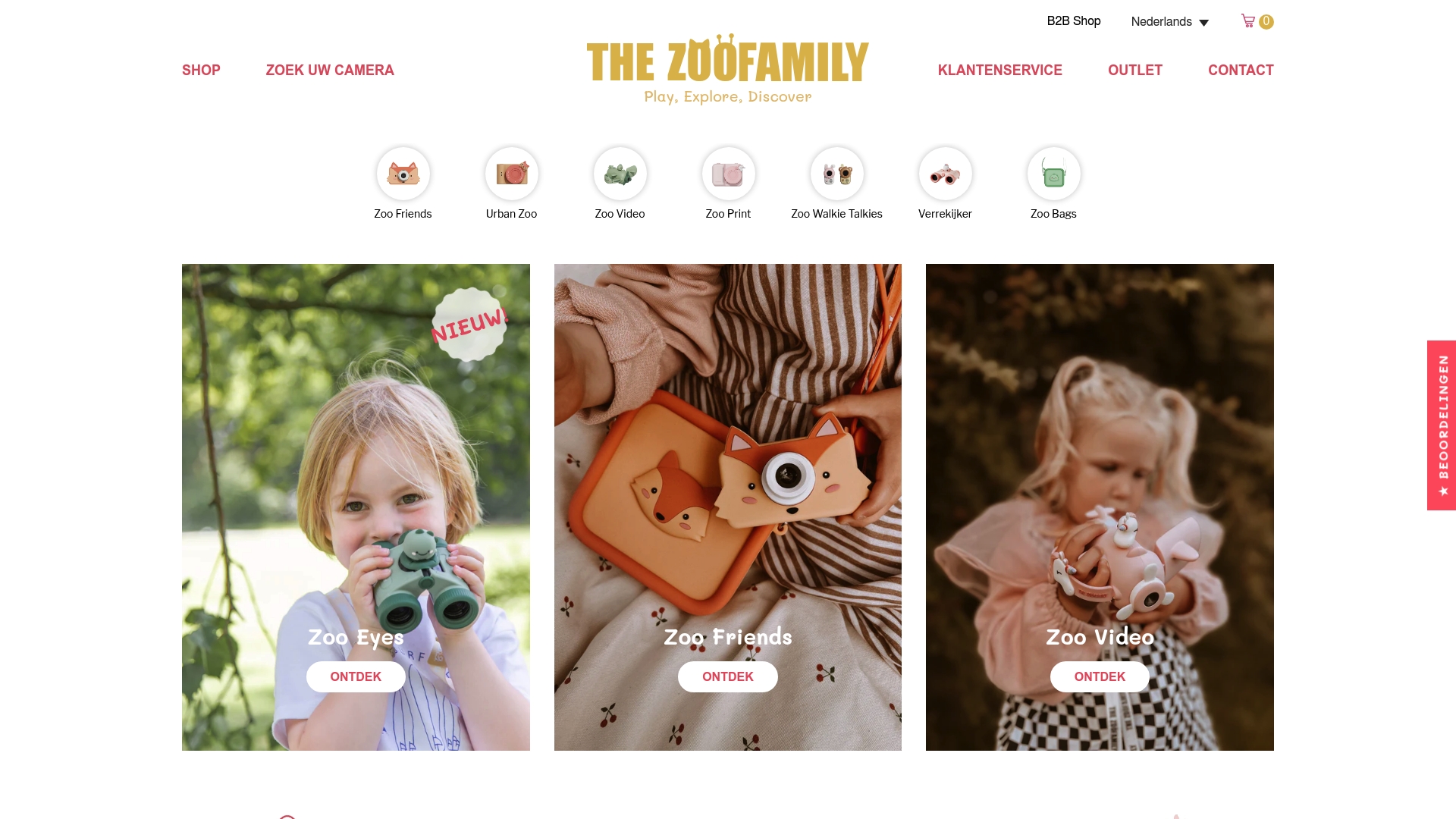
Discover more about fostering a love for nature and sustainable creativity with The Zoofamily. Start your journey now and plant the seeds for a greener future.
Frequently Asked Questions
What are some easy recycling projects I can do with my kids?
Start by transforming old jars into colorful storage containers or creating animal planters from plastic bottles. Gather clean glass jars and plastic bottles, and let your kids express their creativity through painting and decorating.
How can I encourage my children to be creative while recycling?
Engage your kids in hands-on projects like making cardboard box art or building DIY bird feeders from milk cartons. Set aside a weekend afternoon to explore these fun activities together, encouraging their artistic expression while promoting sustainability.
How can we make reusable tote bags from old T-shirts?
To craft a tote bag, cut off the sleeves and neckline of an old T-shirt, then tie the bottom fringe into knots to form a sturdy base. Personalize the bags by decorating them with fabric markers or patches for a unique touch, making this a fun activity to do in one afternoon.
What should we include when planning a toy swap event?
Organize your toy swap by choosing a community location, setting guidelines for toy condition, and creating age categories. Establish clear exchange rules to ensure fair trading, encouraging families to bring their gently used toys to share with others.
How can we teach kids about the importance of recycling through crafting?
Incorporate lessons on recycling by explaining how upcycling items like plastic bottles and cardboard boxes reduces waste. Plan projects that illustrate the connection between creativity and environmental consciousness, making it a fun learning experience for everyone.
What are some decorative touches we can add to our recycled crafts?
Enhance your recycled crafts with decorative elements like twine, ribbons, or googly eyes, depending on the project. For example, when painting jars, consider adding a twine wrap for extra flair, making your creations not only functional but also visually appealing.