

Young children are naturally curious, but keeping their attention during outdoor learning can be a real challenge. Finding hands-on ways to spark that excitement and teach science through nature is not always simple. The good news is that water-based activities are a brilliant answer, combining sensory exploration with safe scientific investigation using objects found outdoors.
These ideas give you practical methods to nurture scientific thinking, creativity, and observation—all while protecting wildlife and encouraging sustainable habits. You will discover how to use simple materials and natural treasures to turn ordinary garden moments into inspiring learning experiences.
Get ready for creative and eco-friendly water activities that bring science, nature, and play together. Every insight in this list is designed to help you unlock new ways for your children to learn and grow outside.
Table of Contents
- 1. Explore Floating Nature Treasures Safely
- 2. Build a Mini Pond for Wildlife Discovery
- 3. Eco-Friendly Water Painting Activities
- 4. Create a Mud Kitchen with Recycled Water
- 5. Design Animal-Themed Water Play Stations
- 6. Grow Plants with Water Play for Nurturing Skills
- 7. Enjoy Splashy Team Games That Teach Cooperation
Quick Summary
| Key Message | Explanation |
|---|---|
| 1. Engage children with hands-on water play | Use floating treasures for sensory exploration that develops critical thinking and basic scientific concepts through prediction and observation. |
| 2. Create a mini wildlife pond | Building a small pond enhances children’s understanding of local ecosystems and encourages biodiversity through immersive observation of wildlife. |
| 3. Incorporate eco-friendly water painting | Water painting is a waste-free, creative activity that develops motor skills and fosters sustainability through the use of natural materials. |
| 4. Build a mud kitchen for sensory play | Mud kitchens stimulate imaginative play and hands-on learning, encouraging children to explore natural materials while developing essential skills. |
| 5. Promote teamwork through splashy games | Team water games facilitate social skills development and cooperation, turning playtime into a fun, engaging learning experience. |
1. Explore Floating Nature Treasures Safely
Discovering the magic of floating and sinking is an incredible way to introduce your little ones to scientific exploration through water play. This sensory adventure helps young children understand natural phenomena while sparking their curiosity about how objects interact with water.
Children learn best through hands-on experiences, and exploring floating nature treasures offers a perfect opportunity to develop early scientific thinking skills. Early years science activities provide an engaging platform for understanding basic physical properties.
Here are some safe and exciting ways to explore floating treasures:
-
Collect natural objects like:
- Lightweight leaves
- Small twigs
- Smooth river stones
- Pinecones
- Bark fragments
-
Prepare a shallow water tray or transparent container
-
Encourage prediction before testing each object
-
Observe and discuss why some items float while others sink
Young children develop critical thinking skills by predicting, testing, and reflecting on their observations.
This activity not only teaches scientific concepts but also develops language skills as children describe their discoveries. Blue space learning environments offer rich opportunities for sensory and cognitive development.
Practical tip: Always supervise water play and use containers appropriate for your child’s age and developmental stage.
2. Build a Mini Pond for Wildlife Discovery
Transforming a small outdoor space into a thriving wildlife habitat can be an enchanting way to connect your children with nature. Creating a mini pond offers an immersive learning experience that brings the wonders of aquatic ecosystems right to your garden.
Building a wildlife pond provides an opportunity for children to observe and understand local biodiversity. Wildlife pond construction techniques can transform even the smallest spaces into vibrant miniature ecosystems.
Key steps for creating your mini wildlife pond:
- Select a sunny but partially shaded location
- Choose a watertight container like:
- Old ceramic bowl
- Plastic bucket
- Repurposed barrel
- Large plant pot
- Ensure container has no drainage holes
- Create varied depths for different wildlife habitats
A small pond can attract numerous beneficial creatures including frogs, dragonflies, and water insects.
The Scottish Wildlife Trust recommends layering your pond with natural materials to create diverse microhabitats. Use rocks, gravel, and native aquatic plants to establish a balanced ecosystem.
Pro tip: Use rainwater instead of tap water to fill your pond and avoid introducing harmful chemicals that might disrupt delicate wildlife balance.
3. Eco-Friendly Water Painting Activities
Water painting offers a magical way to explore creativity while embracing environmental consciousness. This zero-waste artistic activity transforms ordinary surfaces into temporary canvases of imagination.
Water painting techniques provide children with a sensory experience that develops motor skills without creating any lasting mess or waste. By using just water as their medium, young artists can express themselves freely and sustainably.
Eco-friendly water painting activities include:
- Painting on concrete pavements
- Creating designs on garden walls
- Decorating wooden fences
- Using large outdoor stones as canvases
- Exploring textured surfaces in your garden
Creativity flourishes when children connect with natural materials and simple tools.
Additionally, nature-inspired art approaches encourage children to incorporate natural elements like leaves and flowers into their water painting experiences. This method helps develop an understanding of sustainable artistic expression.
Pro tip: Collect different sized brushes and sponges from around your home to provide varied texture and mark-making experiences during water painting sessions.
4. Create a Mud Kitchen with Recycled Water
Mud kitchens transform ordinary garden spaces into magical realms of imagination and sensory exploration for young children. These outdoor play spaces invite little ones to engage with natural materials while developing crucial developmental skills.
Mud kitchen design principles offer incredible opportunities for creative learning through hands-on play. By repurposing everyday materials, you can create an engaging outdoor environment that stimulates curiosity and problem-solving.
Key components for building your mud kitchen:
- Recycled wooden pallets or old shelving
- Second-hand kitchen utensils
- Large plastic containers for water storage
- Old saucepans and mixing bowls
- Sturdy work surface (preferably weatherproof)
Children learn best when play feels like a delightful adventure, not a structured lesson.
The early years outdoor play guide emphasises the importance of incorporating safe, recycled water systems. This approach teaches children about resource conservation while providing endless opportunities for imaginative play.
Pro tip: Collect rainwater in clean containers to use in your mud kitchen, teaching children about water conservation and sustainable practices.
5. Design Animal-Themed Water Play Stations
Transforming water play into an immersive animal adventure can spark boundless imagination and learning for young children. These themed stations turn ordinary water exploration into extraordinary sensory experiences that connect kids with wildlife and marine environments.
Water play activity designs offer incredible opportunities to blend scientific discovery with creative play. By incorporating animal themes, children engage more deeply with natural concepts and develop critical observation skills.
Ideas for animal-themed water play stations:
- Underwater coral reef scenes
- Mermaid beach exploration zones
- Sea creature discovery trays
- Ocean habitat sensory bins
- Floating marine animal adventures
Imaginative play transforms learning from a task into an exciting journey of discovery.
The sensory tray learning approach emphasises creating rich, textured environments that stimulate multiple senses. Children can explore different marine ecosystems while developing fine motor skills and environmental awareness.
Pro tip: Use coloured water, natural elements like shells and stones, and realistic toy animals to create multi-dimensional and engaging marine play experiences.
6. Grow Plants with Water Play for Nurturing Skills
Combining water play with plant care transforms simple gardening into an extraordinary learning adventure for young children. This hands-on approach teaches responsibility and nurtures a deep connection with living things through engaging sensory experiences.
Montessori-inspired gardening activities provide incredible opportunities for developing practical life skills and scientific understanding. Children learn about plant needs while experiencing the joy of caring for living organisms.
Essential plant nurturing activities include:
- Selecting child-friendly seeds
- Preparing small planting containers
- Creating drainage holes
- Measuring and adding water carefully
- Observing plant growth stages
- Recording plant development in a journal
Every drop of water is a lesson in care and observation.
Early years plant growth investigations emphasise the importance of structured, hands-on learning experiences. Through water play, children develop fine motor skills and learn scientific concepts in a natural, engaging manner.
Pro tip: Use transparent containers to help children observe root development and understand how water supports plant growth.
7. Enjoy Splashy Team Games That Teach Cooperation
Team water games transform ordinary playtime into extraordinary learning experiences where children discover the magic of working together. These joyful activities blend physical movement with essential social skills development through playful water-based challenges.
Exciting water game strategies offer incredible opportunities for children to learn collaboration and communication in a fun, engaging environment. By participating in shared aquatic adventures, kids develop crucial interpersonal skills without feeling like they are in a structured lesson.
Excellent splashy team games include:
- Sponge relay races
- Water balloon hot potato
- Bucket brigade challenges
- Sprinkler freeze dance
- Cooperative water target games
Playful teamwork transforms learning into an adventure of shared discovery.
Outdoor water game techniques emphasise the importance of creating inclusive, dynamic experiences that encourage problem-solving and mutual support. These activities help children understand the value of working together while having tremendous fun.
Pro tip: Establish clear, simple rules before starting water games and rotate team roles to ensure every child gets a chance to lead and participate.
Below is a comprehensive table summarising the strategies and activities for embracing water-based learning, as explored in the article.
| Activity | Description | Key Benefits |
|---|---|---|
| Explore Floating Nature Treasures | Introduce scientific concepts through observing objects sinking or floating in water. | Develops critical thinking and early scientific understanding. |
| Build a Mini Pond for Wildlife Discovery | Create a small pond to learn about aquatic ecosystems and biodiversity. | Enhances awareness of local wildlife and ecological systems. |
| Eco-Friendly Water Painting Activities | Use water as a sustainable medium for creative expression and play. | Expands motor skills and creative approaches sustainably. |
| Create a Mud Kitchen with Recycled Water | Repurpose materials to design a sensory play space focusing on outdoor explorations. | Fosters imagination, resource conservation, and hands-on problem-solving. |
| Design Animal-Themed Water Play Stations | Develop immersive water play scenarios with wildlife or marine themes. | Promotes environmental awareness and physical activity. |
| Grow Plants with Water Play for Nurturing Skills | Combine gardening with water activities to nurture responsibility. | Teaches hands-on care for living organisms and nurtures scientific curiosity. |
| Enjoy Splashy Team Games That Teach Cooperation | Engage in social water games that involve teamwork and coordination. | Builds social skills and cooperation in a fun, dynamic environment. |
Inspire Your Child’s Love for Nature with The Zoofamily
Early years water play activities such as exploring floating nature treasures and building mini wildlife ponds highlight the importance of connecting children with the natural world through hands-on discovery. These experiences reveal the challenge parents and educators face in offering engaging, creative tools that nurture curiosity while teaching responsibility and environmental care. Through concepts like sensory exploration and sustainable play, young learners develop vital skills that last a lifetime.
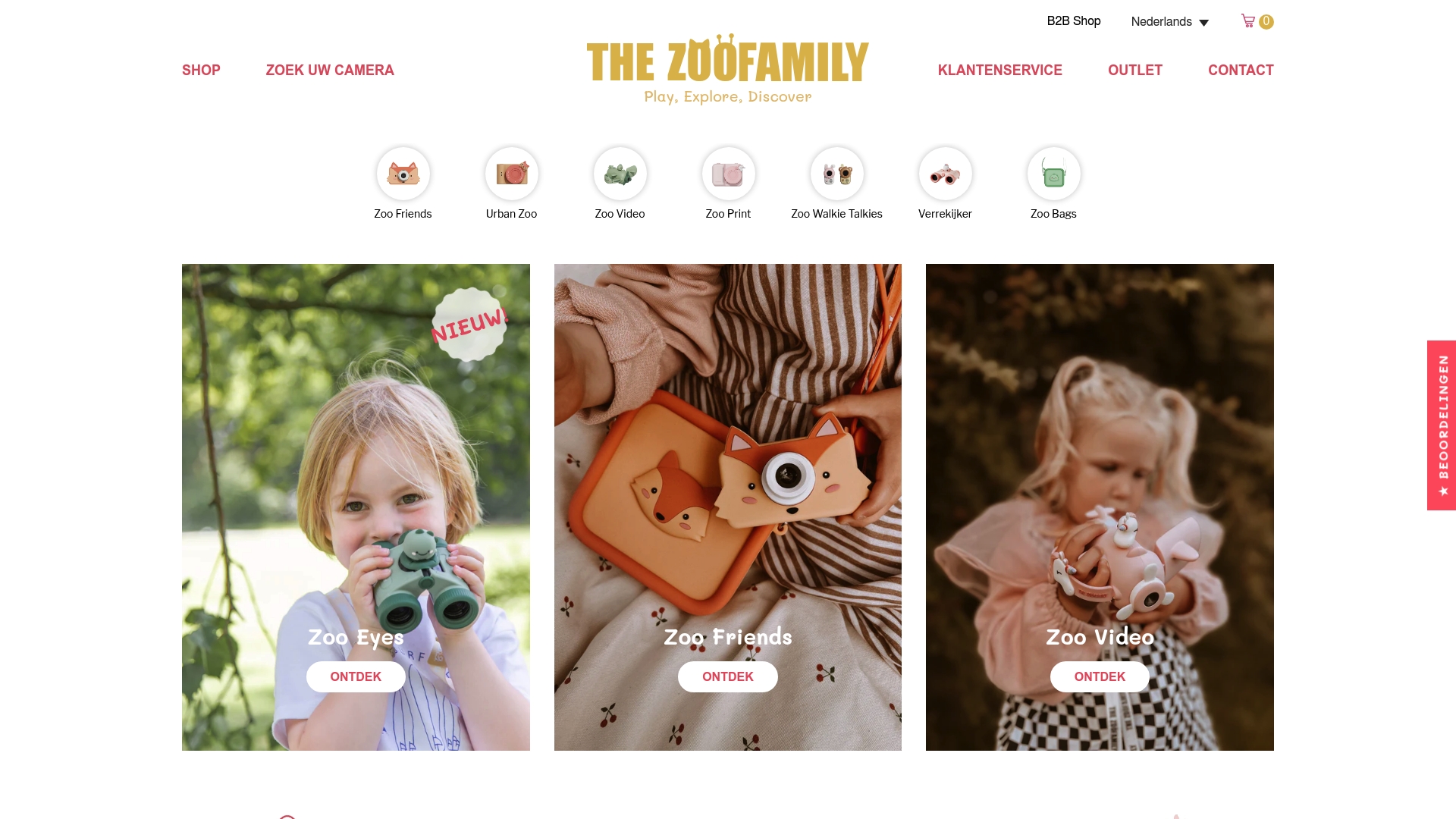
Enhance these inspiring adventures by choosing The Zoofamily – where our kids’ cameras, walkie-talkies, and binoculars are thoughtfully designed to ignite children’s interest in wildlife and the environment. Every product sold supports restoring natural beauty with tree planting so your child’s play also helps nurture the planet. Discover how our animal-themed gear perfectly complements water play ideas like plant nurturing and animal discovery stations. Visit us today at The Zoofamily and empower your little nature lover’s journey towards lifelong learning and care for the earth.
Frequently Asked Questions
What are some safe ways to explore floating nature treasures with young children?
You can safely explore floating nature treasures by collecting lightweight natural objects, like leaves and pinecones, and testing them in a shallow water tray. Encourage children to predict which items will float or sink, and discuss their observations to enhance learning.
How can I build a mini pond for wildlife discovery in my garden?
To create a mini pond, select a watertight container like an old ceramic bowl or a plastic bucket, and place it in a sunny yet partially shaded location. Layer the pond with natural materials, such as rocks and native aquatic plants, to attract local wildlife and provide diverse habitats.
What materials do I need for eco-friendly water painting activities?
For eco-friendly water painting, gather materials like large outdoor stones, fences, or pavements to serve as canvases, along with brushes and sponges for painting. This activity allows children to express their creativity without generating waste while developing motor skills and imagination.
How can I create a mud kitchen for sensory exploration?
To build a mud kitchen, use recycled wooden pallets or old shelves and add kitchen utensils, large containers for water, and mixing bowls. Design a sturdy work surface where children can engage with natural materials and enjoy sensory play while enhancing their curiosity and creativity.
What are some animal-themed water play station ideas for engaging children?
Consider creating undersea scenes, ocean habitat sensory bins, or mermaid beach exploration zones to turn water play into an adventurous learning experience. Incorporate natural elements like shells and realistic toy animals to enhance sensory engagement and imaginative play.
How do team water games promote cooperation among young children?
Team water games, such as sponge relay races or water balloon hot potato, encourage children to work together while having fun. Establish clear rules beforehand, and rotate team roles to ensure all children participate and develop vital social skills through collaborative play.