

The single most effective thing you can do right now is reduce what you waste. Cut household food waste, lower your energy use, protect a patch of local habitat, and choose products that last. These four moves cover the widest ground with the least effort.
Start today:
- Measure your food waste for two weeks and note what you throw away most
- Switch your electricity supplier to a 100% renewable tariff (takes around 15 minutes online)
- Turn off lights and appliances when not in use
- Plant one native species in your garden or a window box
- Join a local litter pick or wildlife recording scheme
UK households generated a very large amount of food and drink waste in recent years. That single figure shows where a large share of individual resource depletion sits. Reducing it is the fastest, cheapest place to start.
One-hour tasks you can do this week:
- Check your energy tariff and compare renewable options on Ofgem’s price cap comparison tool.
- Audit your kitchen: pull out anything near its use-by date and plan meals around it.
- Search “[your county] Wildlife Trust” and sign up to their volunteer newsletter.
Table of Contents
- How can you take care of natural resources at home and in your garden?
- Why does conserving natural resources matter?
- How do you decide which actions matter most where you live?
- How to involve children and neighbours in conservation
- How to turn good intentions into lasting habits
- Key takeaways
- Small steps add up more than most people expect
- Thezoofamily: nature tools for curious children
- Useful UK organisations and resources
How can you take care of natural resources at home and in your garden?
Practical conservation does not require a large budget or specialist knowledge. The actions below are grouped by where they happen and ordered by how quickly they pay off.
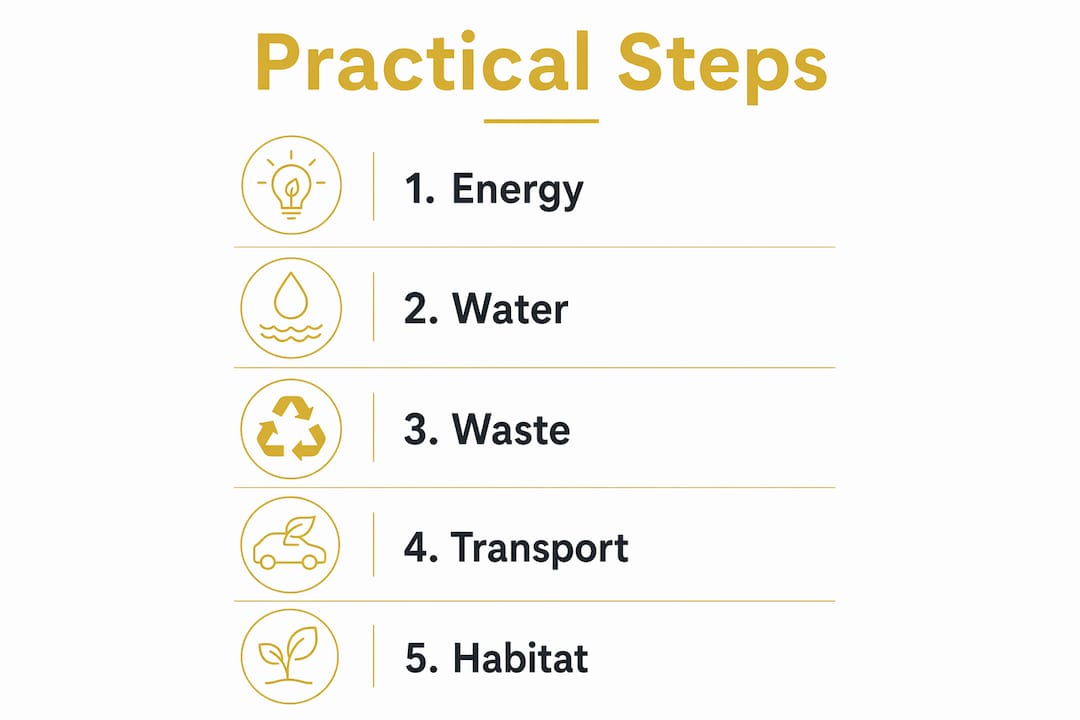
Household energy and heating
Draught-proofing doors and windows costs very little and delivers immediate savings on heating bills. LED bulbs use around 75% less energy than older incandescent ones. A boiler jacket can save around £100 per year in heating costs and takes under an hour to fit. These are high-value first steps for renters and homeowners alike, because they require no planning permission and no large outlay.
Pro Tip: Switching to a 100% renewable electricity tariff takes roughly 15 minutes online and is typically free to do. It is one of the fastest ways to cut your household electricity emissions without changing any behaviour at all.
Food and waste
Track what you bin for a fortnight. Many UK families find they are discarding food worth £40–£80 each month, which is both a financial and a resource loss. Batch cooking, freezing, and meal planning are the practical fixes. For waste that cannot be avoided, check your local council’s recycling guidance, since accepted materials vary by area.
Local Repair Cafés reduce demand for replacement goods and conserve the materials and energy embedded in products you already own. Search “Repair Café [your town]” to find the nearest session.
Water
Fix dripping taps promptly. A single dripping tap can waste more than 5,000 litres of water per year. Fit a water butt to collect rainwater for the garden. Take shorter showers and, if your boiler allows it, lower the hot water temperature to 60°C.
Transport
Walk, cycle, or use public transport for short journeys. For longer trips within the UK, rail produces significantly lower emissions per passenger than flying or driving alone. If you drive, combining errands into one trip reduces fuel use and wear on the vehicle.
Garden and habitat
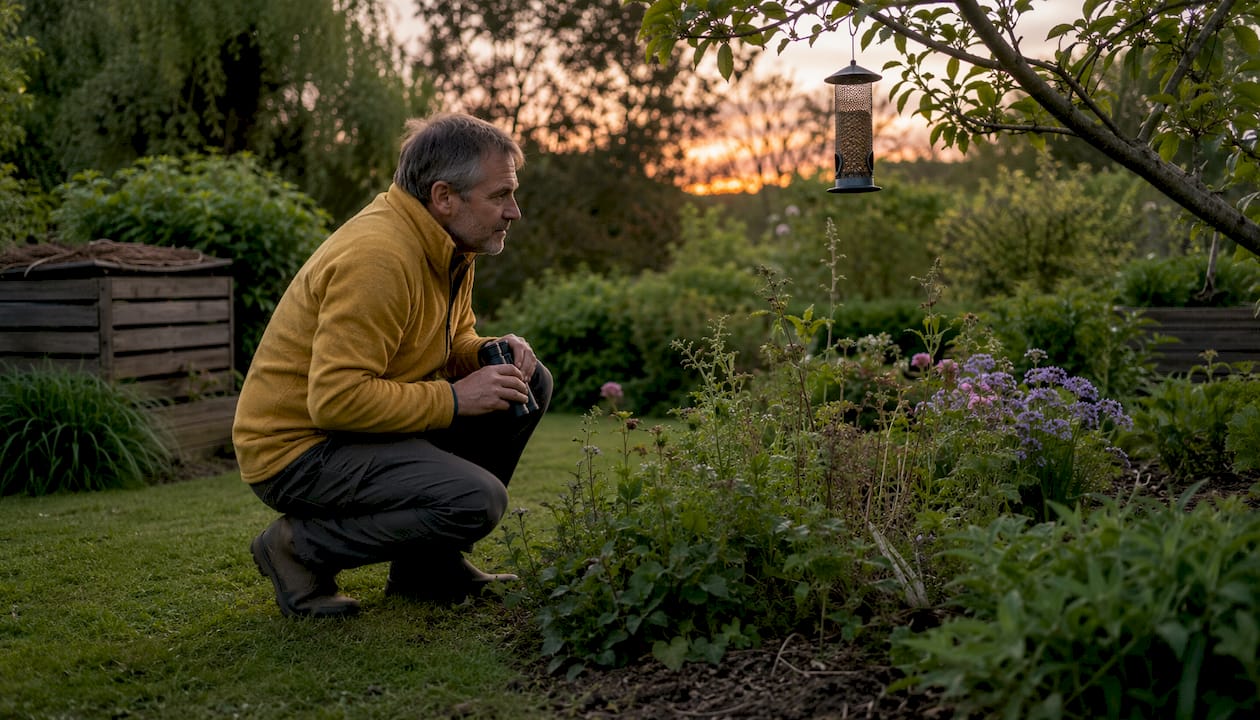
Native plants support more insects than non-native ornamentals, which in turn supports birds and other wildlife. Let a section of lawn grow longer between cuts. Build a simple pond: even a half-barrel sunk into the ground provides habitat for frogs, insects, and birds. When managing a pond, avoid connecting it to polluted drains and rotate management tasks rather than clearing everything at once.
| Action | Estimated saving or impact | Time to start |
|---|---|---|
| Boiler jacket | ~£100/year on heating bills | 1 hour |
| Food waste tracking | — | 2 weeks |
| Renewable electricity tariff | Substantially cuts electricity emissions | 15 minutes |
| Draught-proofing | Immediate reduction in heating loss | Half a day |
| Native planting | Supports local insect and bird populations | 1 afternoon |
For household cleaning swaps that reduce water pollution, the sustainable cleaning guide from Thezoofamily covers practical product choices that protect soil and water quality.
Why does conserving natural resources matter?
Natural resources are the materials and conditions the living world depends on: fresh water, clean air, fertile soil, plants, and wildlife. Conservation means using these resources at a rate that allows them to recover and continue providing benefits.
The case for acting is straightforward:
- Biodiversity: The UK has lost significant wildlife habitat over the past century. The national Biodiversity Strategy sets a “30 by 30” target to protect 30% of land and sea by 2030, but individual actions in gardens and local green spaces are what make that target achievable at ground level.
- Water and soil: Soil stores carbon, filters water, and grows food. Once degraded, it takes decades to recover. Protecting it through composting, reduced chemical use, and ground cover planting is something any gardener can do.
- Community resilience: Green spaces reduce flood risk, cool urban areas, and support mental health. These are local, practical benefits, not abstract ones.
The UK’s Environmental Improvement Plan and the National Planning Policy Framework both direct local authorities to protect and enhance natural capital. Your personal actions align directly with those national aims, even when they feel small.
How do you decide which actions matter most where you live?
Not every action suits every household or location. A short local assessment helps you invest time where it will have the most effect.
A simple prioritisation checklist:
- What are the main pressures on nature near you? (Check your county’s Local Nature Recovery Strategy for mapped priorities.)
- Which resources are most at risk locally: water quality, soil health, green corridors, or air quality?
- What can you actually change given your situation: renting, owning, garden size, budget?
- Are there quick wins already available, such as a community orchard, a wildlife trust volunteer day, or a council tree-planting scheme?
“Managing natural resources as ‘natural capital’ shifts focus from simple preservation to sustaining flows of benefits. A place-based assessment of local soil, water, and air conditions yields more effective priorities than a generic checklist.” — UK Natural Capital Workbook
Three quick examples:
Suburban garden: Priority is habitat connectivity. Add a hedgehog highway (a 13cm gap in the fence), plant a native hedge, and create a small pond. These link your garden to neighbours’ green spaces.
Urban flat: Priority is reducing consumption and waste. Focus on food waste tracking, switching to a renewable tariff, and joining a local community garden or park volunteer group.
Rural smallholding: Priority is soil and water. Compost all organic waste, avoid bare soil over winter, and manage any ponds in rotation, clearing only a portion each year so wildlife always has undisturbed habitat.
Before undertaking significant habitat work, check with your local wildlife trust or Natural England if the site may have protected species. Minimal intervention is often the right first step.
How to involve children and neighbours in conservation
Conservation spreads faster when it is visible and social. Research from Surrey Wildlife Trust shows that perceived lack of participation by others is a major barrier to adoption. Peer demonstrations and visible, low-cost projects change that.
Starting or joining local action:
- Organise a street litter pick. Contact your local council for free bags and collection; most councils respond within a week.
- Map local ponds, hedgerows, and green spaces using the iRecord app or the RSPB’s Big Garden Birdwatch scheme.
- Propose a hedgehog highway to three neighbours. A 13cm gap cut at the base of garden fences costs nothing and creates a wildlife corridor across multiple gardens.
- Join your county wildlife trust’s volunteer programme. Most offer regular practical days that require no prior experience.
Child-friendly activities:
- Wildlife recording: Children aged 5 and up can log birds, insects, and amphibians using the iRecord Butterflies or Garden BirdWatch apps.
- Pond watch: Set up a simple tray of water with stones and plants, then record what visits over a month.
- Tree planting: The Woodland Trust’s free tree packs are available to schools and community groups each autumn.
- Nature journalling: Sketch or photograph what you find on a walk. Thezoofamily’s kids’ binoculars and cameras are designed to encourage exactly this kind of close observation, and every camera sold funds the planting of one tree.
UK gardens collectively provide more habitat space than all the National Nature Reserves combined. When neighbours act together, the effect multiplies.
Pro Tip: Place a simple sign in your garden or window saying “Wildlife-friendly garden” after you make a change. Visible signals prompt neighbours to ask questions, which is the single most effective way to spread adoption without any organised campaign.
For family-friendly recycling projects that connect children to resource conservation, Thezoofamily’s blog has practical ideas suitable for primary-school age.
How to turn good intentions into lasting habits
One-off actions rarely stick. A four-week plan helps convert a single change into a routine.
Week by week:
- Week 1: Choose one action (e.g. food waste tracking). Set up a simple log: a notepad on the kitchen counter works fine.
- Week 2: Measure and note. Do not try to change behaviour yet; just observe what you discard and when.
- Week 3: Make one adjustment based on what you found (e.g. freeze bread before it goes stale). Check your energy or water bill from the same month last year for a baseline.
- Week 4: Review. Did the bill or waste log improve? If yes, add a second habit using the same method.
Practical tips for making habits stick:
- Habit stacking: attach the new behaviour to something you already do (e.g. check the food waste log every time you make a morning coffee).
- Micro-commitments: agree to do the action for just two weeks, not forever. Two weeks is enough to see a result and decide whether to continue.
- Household checklist: pin a short list to the fridge with five actions (lights off, tap off, food logged, recycling sorted, thermostat checked). Tick them at the end of each day.
For monitoring without specialist tools: compare quarterly energy bills year on year, photograph your garden or local green space monthly, and keep a simple tally of wildlife sightings. These records also become useful if you later want to contribute to a citizen science project.
Key takeaways
The single most effective approach to conserving natural resources is to start with the highest-impact, lowest-cost actions: reduce food waste, switch to renewable energy, protect local habitat, and involve your neighbours and children.
| Point | Details |
|---|---|
| Food waste is the fastest win | UK households wasted 6.4 million tonnes in 2021; tracking for two weeks typically saves £40–£80 per month. |
| Low-cost energy steps first | A boiler jacket saves around £100 per year; a renewable tariff switch takes 15 minutes and is free. |
| Local priorities vary | Check your Local Nature Recovery Strategy to find where habitat action will have the most effect near you. |
| Community action multiplies impact | Visible, low-cost demonstrations increase neighbour adoption; hedgehog highways and pond creation work best across multiple gardens. |
| Thezoofamily supports family engagement | Every camera sold plants one tree; kids’ binoculars and cameras help children observe and record local wildlife. |
Small steps add up more than most people expect
Most guides on resource conservation focus on the big picture: policy, technology, systemic change. Those things matter, but they can make individual action feel pointless. The evidence says otherwise. A single suburban street where five households create hedgehog highways, reduce food waste, and switch to renewable energy produces measurable biodiversity and carbon benefits. The barrier is rarely knowledge; it is the feeling that no one else is doing it.
The most useful thing you can do after reading this is pick one action, do it visibly, and tell one person. That is how local conservation actually spreads.
Thezoofamily plants one tree for every camera sold because we believe that small, concrete commitments, repeated at scale, restore natural beauty for the next generation.
Thezoofamily: nature tools for curious children
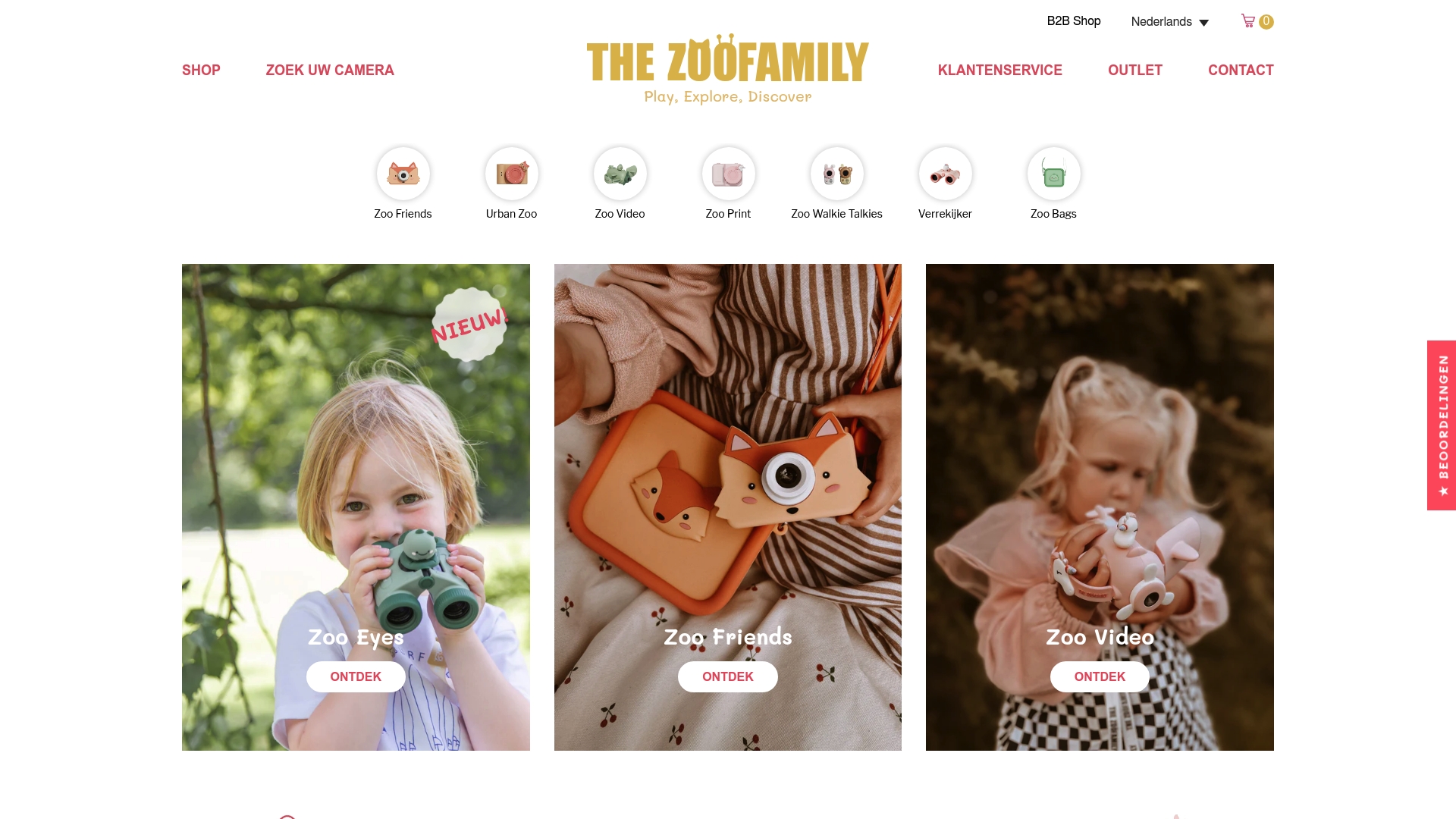
Thezoofamily makes kids’ cameras, binoculars, and walkie-talkies designed to get children looking closely at the natural world. Every camera sold funds the planting of one tree, so the products themselves contribute directly to habitat restoration. For families working through the steps in this guide, a pair of binoculars or a simple camera gives children a concrete reason to go outside, observe wildlife, and record what they find. Nature journalling, pond watch, and garden birdwatching all become more engaging when children have a tool in their hands. Browse the full range and find the right fit for your child at Thezoofamily.
Useful UK organisations and resources
Finding local support makes conservation easier and more effective. The organisations below cover the main areas this guide has addressed.
- RSPB: Practical tips on cutting your carbon footprint and supporting wildlife. The Big Garden Birdwatch runs every January and is free to join.
- National Trust: Guidance on garden and doorstep nature actions, plus volunteering opportunities at properties across England, Wales, and Northern Ireland.
- Wildlife Trusts: Each county has its own trust. Search “[your county] Wildlife Trust” to find local volunteer days, nature reserves, and grant information for habitat projects.
- Woodland Trust: Offers free tree packs for schools and community groups each autumn. Apply via their website in late summer.
- UK Natural Capital Workbook (GOV.UK): A practical tool for assessing local resource flows and setting place-based priorities.
- Local Nature Recovery Strategies (GOV.UK): Statutory spatial plans for nature recovery in each area of England. Use them to identify where habitat creation will have the greatest local benefit.
- iRecord and Garden BirdWatch: Free citizen science platforms for recording wildlife sightings. Both accept records from beginners and contribute to national biodiversity datasets.
- UK Biodiversity Strategy: The national framework for halting biodiversity loss, including the “30 by 30” target. Useful context for understanding how local actions connect to national goals.
Finding grants and council schemes: Contact your local council’s environment or green spaces team to ask about tree-planting grants, community orchard funding, or habitat creation support. Many councils administer small grants from the UK Shared Prosperity Fund or local environment budgets. The Wildlife Trusts also maintain lists of funding opportunities for community groups.