

Over 60 percent of urban families in France face daily struggles balancing city life with meaningful nature experiences for their children. This challenge resonates deeply for parents who care about family values and want their kids to embrace ecological responsibility. Inspired by british research and practical tips, this guide offers fresh, hands-on ideas to strengthen your family’s nature connection while developing lifelong habits that enrich both childhood and your local community.
Table of Contents
- Family Values And Outdoor Connection Defined
- How Nature Influences Child Development
- Practical Ways To Instil Outdoor Values
- Balancing Urban Life With Nature Activities
- Environmental Responsibility For Modern Families
Key Takeaways
| Point | Details |
|---|---|
| Family Values Shape Nature Connection | Cultivating family values fosters a profound relationship with nature, enhancing ecological awareness and respect among children. |
| Nature’s Role in Child Development | Regular outdoor experiences significantly benefit children’s cognitive, emotional, and social development through direct engagement with natural environments. |
| Practical Family Strategies | Implementing purposeful outdoor activities and immersive learning experiences is vital for instilling lasting environmental values in children. |
| Sustainability as Family Commitment | Modern families can drive ecological change through collective environmental responsibility, transforming family practices into impactful sustainability efforts. |
Family Values and Outdoor Connection Defined
Family values represent the foundational beliefs and practices that shape how families interact with each other and their surrounding environment. When it comes to connecting with nature, these values become transformative mechanisms for instilling ecological awareness and respect for our natural world. Research demonstrates that family values are critically linked to our cognitive, affective, and experiential relationships with outdoor spaces.
The connection between family values and outdoor experiences goes beyond simple recreational activities. A comprehensive review in the International Journal of Early Childhood Environmental Education highlights how demographic, dispositional, familial, and experiential factors collectively shape children’s long-term affinity for natural environments. Families that prioritise shared outdoor experiences create meaningful pathways for children to develop deep, intrinsic connections with nature, learning ecological principles through direct engagement rather than abstract instruction.
Moreover, contemporary ecological research suggests that biospheric values play a pivotal role in nurturing environmental consciousness. These values emphasise understanding our interconnectedness with natural systems, promoting attitudes of respect, conservation, and responsible stewardship. By integrating nature exploration into family routines, parents can effectively model ecological awareness, transforming outdoor time into powerful learning experiences that transcend traditional educational boundaries.
Pro tip: Create a weekly family nature journal where each member documents their outdoor observations, sketches wildlife, or reflects on their environmental interactions, fostering collective ecological mindfulness.
How Nature Influences Child Development
Child development is profoundly interconnected with environmental experiences, particularly those involving natural settings. Comprehensive research demonstrates that regular exposure to nature yields significant cognitive benefits for children, enhancing critical developmental domains such as attention, memory, and executive functioning.
The mechanisms behind nature’s developmental impact are complex and multifaceted. Systematic research in early childhood education reveals that outdoor play environments provide unique opportunities for cognitive, social, and emotional growth. Natural settings offer restorative features that stimulate sensory experiences, encourage exploratory behaviours, and facilitate more nuanced social interactions compared to structured indoor environments.
Crucial developmental advantages emerge through children’s direct engagement with natural landscapes. These interactions promote problem-solving skills, spatial awareness, and emotional regulation. By navigating unstructured outdoor spaces, children develop resilience, creativity, and an intuitive understanding of ecological systems. Understanding childhood brain development reinforces how these experiences contribute to holistic neurological and psychological development.
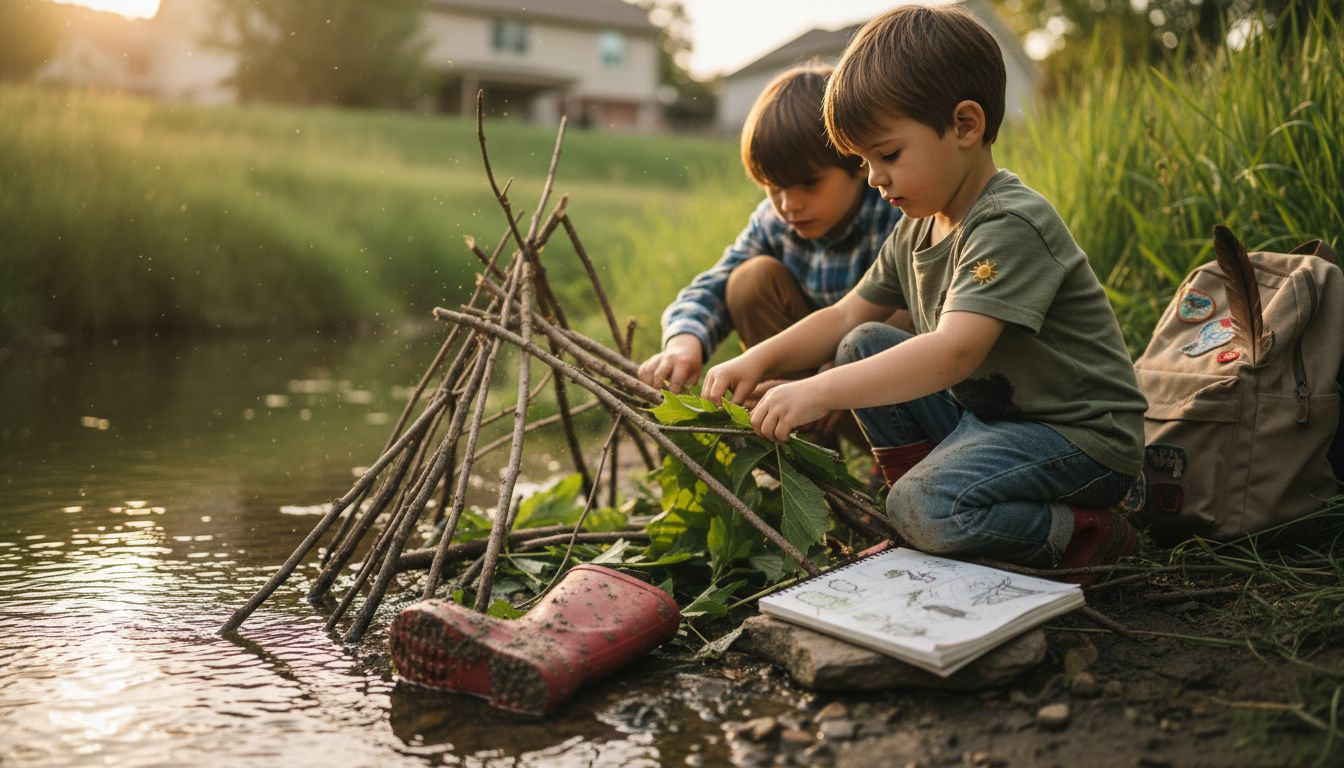
Pro tip: Create a weekly outdoor exploration routine with age-appropriate nature challenges that encourage curiosity, observation, and hands-on learning.
The following summary highlights key developmental benefits children gain from regular outdoor engagement:
| Developmental Domain | Nature Experience Benefit | Example Result |
|---|---|---|
| Cognitive | Stimulates problem-solving and memory | Improved attention span |
| Social | Promotes cooperation and negotiation | Stronger peer relationships |
| Emotional | Enhances emotional regulation and resilience | Increased wellbeing |
| Physical | Boosts coordination and fitness | Healthy development |
Practical Ways to Instil Outdoor Values
Instilling outdoor values requires deliberate and engaging family strategies that transform nature interaction from occasional activity to meaningful experience. Research on outdoor learning practices highlights the importance of creating immersive, participatory experiences that connect children authentically with natural environments through purposeful engagement.
Effective approaches include developing place-based learning techniques that ground ecological understanding in local landscapes. Families can create nature journals, conduct backyard biodiversity surveys, or design small gardening projects that allow children to observe, document, and interact directly with natural systems. These activities transform abstract environmental concepts into tangible, personal experiences that nurture curiosity and ecological awareness.
Consistent, structured outdoor interactions are crucial for developing lasting environmental values. Understanding eco-friendly family routines suggests integrating nature exploration into daily family rhythms. This might involve weekly nature walks, collecting and identifying local plant species, participating in community conservation projects, or establishing small sustainable practices like composting or growing edible plants together.
Pro tip: Create a family nature challenge calendar with monthly outdoor learning goals that progressively build environmental knowledge and hands-on skills.
Here is a comparison of common family strategies for fostering children’s connection with nature:
| Strategy Type | Typical Activities | Expected Impact on Children |
|---|---|---|
| Home-Based Nature | Gardening, wildlife journals | Builds observation and stewardship |
| Outdoor Exploration | Nature walks, park visits | Enhances curiosity and resilience |
| Community Involvement | Conservation projects, mapping | Fosters collaboration and empathy |
| Urban Adaptation | Balcony gardens, detective role | Encourages innovation and resourcefulness |
Balancing Urban Life With Nature Activities
Urban families face unique challenges in maintaining meaningful connections with natural environments. Global research on urban biodiversity strategies demonstrates that intentional design can transform city landscapes into vibrant ecosystems that support both human well-being and ecological diversity.
Creative approaches to urban nature integration involve transforming everyday spaces into learning opportunities. Balcony gardens, community green spaces, local park exploration, and micro-habitat creation can provide children with direct experiences of natural systems. Vertical gardening, window box plantings, and small container ecosystems offer urban families practical methods to cultivate ecological awareness without requiring extensive outdoor spaces.
Urban planning frameworks increasingly recognise the importance of nature-based solutions that make environmental engagement accessible. Families can participate in local biodiversity mapping, join community conservation initiatives, or create neighbourhood green corridors that connect urban wildlife habitats. These activities transform urban environments from concrete landscapes into dynamic, interactive learning environments that nurture children’s ecological understanding.
Pro tip: Designate a family ‘urban nature detective’ role where each week a different family member identifies and documents local plant or animal species in your neighbourhood.
Environmental Responsibility for Modern Families
International research on family environmental practices reveals that modern families are pivotal agents of ecological transformation, capable of implementing profound sustainability changes through collective household actions. Environmental responsibility extends far beyond individual behaviours, representing a comprehensive family commitment to systemic ecological awareness and active planetary stewardship.
The dynamics of environmental responsibility involve creating intergenerational learning ecosystems where children become active participants rather than passive recipients of ecological knowledge. Practical strategies include establishing transparent family discussions about environmental challenges, involving children in sustainable decision-making processes, and developing collaborative home practices that reduce ecological footprints. These approaches transform abstract environmental concepts into tangible, meaningful family experiences.
Global studies on family sustainability demonstrate that families who cultivate shared environmental values generate significant positive ripple effects within their broader communities. By modelling conscious consumption, prioritising renewable resources, and creating learning opportunities that connect individual actions to global ecological systems, families become powerful catalysts for systemic environmental change.
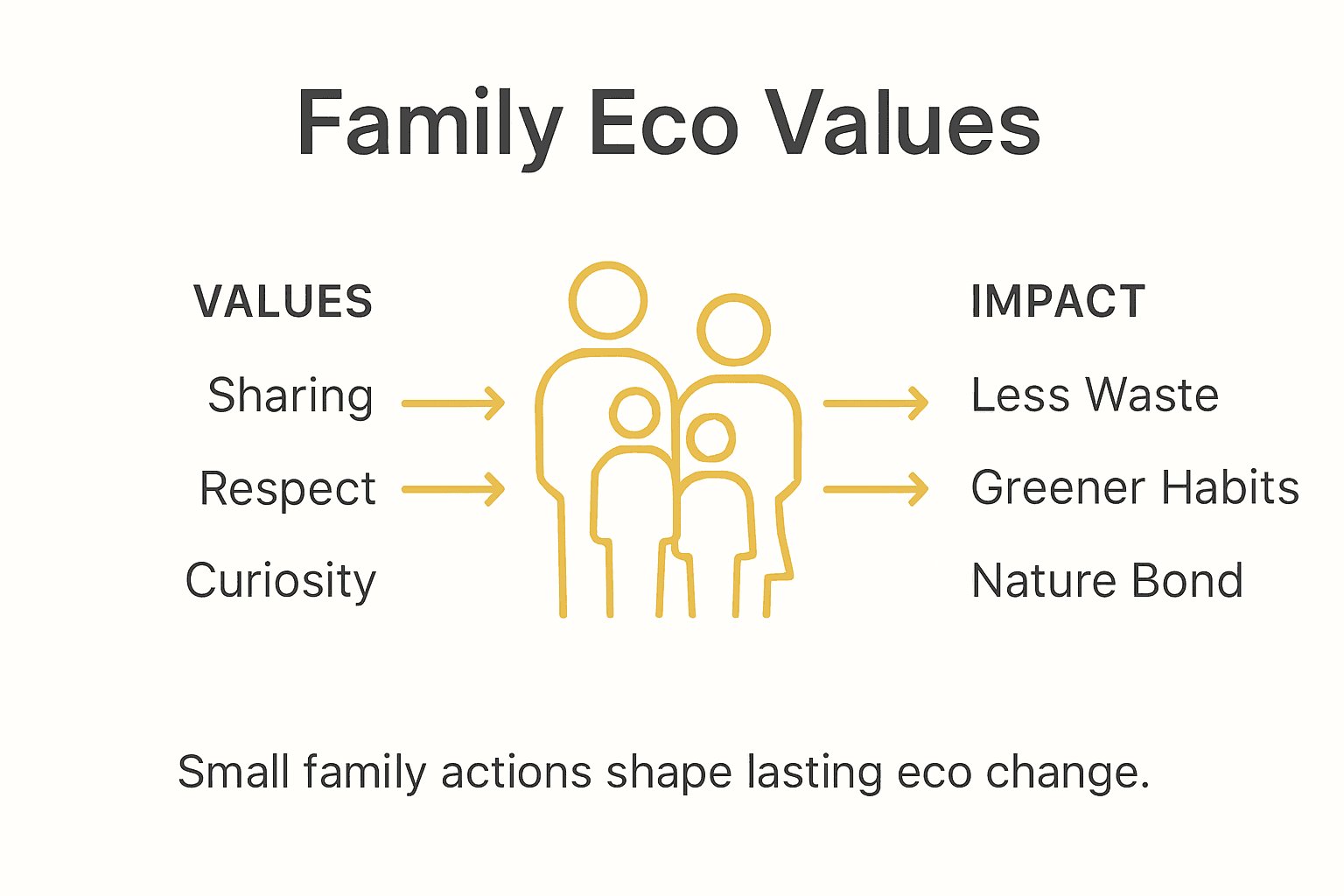
Pro tip: Create a monthly family sustainability challenge that rewards collective ecological achievements and encourages innovative, collaborative approaches to reducing environmental impact.
Inspire Eco-Conscious Childhoods Through Meaningful Outdoor Play
Connecting family values with outdoor experiences is essential for raising children who appreciate nature and develop lifelong ecological awareness. This article highlights the challenge families face in creating authentic, hands-on interactions with natural environments that foster cognitive growth and emotional resilience. By embracing family routines that prioritise nature exploration and encouraging children to observe, document, and engage directly with wildlife and plants, parents can nurture a deep, biospheric value system in the next generation.
Discover how The Zoofamily supports your journey towards sustainable family bonding with our specially designed kids’ cameras, walkie-talkies, and binoculars that spark curiosity and creativity outdoors. Our products come with animal references to deepen children’s connection to nature and encourage learning amidst real-world exploration. Plus, for every camera sold we plant one tree, making your family’s adventure part of a global effort to restore natural beauty. Visit The Zoofamily now to find innovative tools that transform outdoor time into lasting, eco-friendly memories and inspire your children to become passionate stewards of the planet.
Frequently Asked Questions
How can family values shape children’s connection to nature?
Family values play a crucial role in shaping children’s relationships with nature by promoting shared outdoor experiences that foster ecological awareness and respect for the environment.
What are some practical ways to encourage outdoor exploration for children?
Families can encourage outdoor exploration by creating nature journals, participating in local conservation projects, or establishing regular nature walks to engage children with their surroundings meaningfully.
How does exposure to nature benefit child development?
Regular exposure to nature has been shown to enhance children’s cognitive skills, emotional regulation, social interactions, and physical fitness, contributing to their overall development and well-being.
What strategies can urban families use to connect with nature?
Urban families can connect with nature by utilising small spaces for gardening, engaging in community green initiatives, or creating micro-habitats like window box gardens to facilitate hands-on ecological learning.
Recommended
- Understanding Eco Friendly Routines for Modern Families – The Zoofamily
- Comment protéger la planète au quotidien avec ses enfants – The Zoofamily
- Meilleurs gadgets plein air enfants – Comparatif 2025 – The Zoofamily
- Comprendre comment prendre soin de la terre pour nos enfants – The Zoofamily
- Understanding Eco Friendly Signage Solutions - PromoSigns.co.uk