

Here are easy, low-mess indoor crafts you can start with items already at home. They work because they need little setup, give children real choices in how they create, and build fine-motor and language skills along the way. Keep an adult nearby for scissors, small parts or anything hot.
TL;DR:
- Using water-based paints, glues, and scissors reduces mess and ensures safe supervision of small parts and hot tools during craft activities.
- Pre-cut shapes, large crayons, and taped-down bases simplify crafts for younger children according to their hand control development.
- Craft extension activities such as storytelling, creating a journal, or taking photos can enrich the child’s learning and language skills.
- Storing small items in labeled pots and using dedicated trays or mats helps maintain a clean and organized craft space.
- Seasonal themed projects like rain art or salt-dough shapes support creative development and can be easily adapted for different ages.
Table of Contents
- 1. A grouped list of indoor craft projects you can start today
- 2. Materials and set-up: the low-prep essentials to keep ready
- 3. Adapting crafts by age and ability
- 4. Low-mess choices and safety basics
- 5. Ways to extend a craft into play, storytelling and learning
- 6. Using a child-friendly camera to document and extend craft time
- 7. Why we keep coming back to crafts at The Zoofamily
- 8. An easy way to keep the fun going after the glue dries
- FAQ
- Sources
1. A grouped list of indoor craft projects you can start today
These projects are sorted by what a child’s hands can already do, not strictly by age. Pick the group that matches your child’s current skills.
Toddler-friendly (tearing, glueing, stamping), 10-20 minutes:
- Torn paper collage. Tear coloured paper into pieces and glue them onto card. Materials: paper, glue stick, card, tray. Mess tip: work on a tray to catch scraps.
- Sponge stamping. Dip a cut sponge shape into paint and press it onto paper. Materials: sponge, paint, paper, wipeable mat. Mess tip: use one paint colour at a time.
- Cotton wool clouds. Glue cotton wool balls onto blue paper to make clouds. Materials: cotton wool, glue, blue paper. Mess tip: pre-portion the glue into a small pot.
- Handprint animals. Paint a handprint and turn it into an animal once dry. Materials: washable paint, paper, wipes. Mess tip: keep wipes within reach before starting.
- Tissue paper flowers. Scrunch tissue paper squares and glue onto a flower outline. Materials: tissue paper, glue, card. Mess tip: pre-cut the tissue squares yourself.
Preschool and early school (cutting, construction, clay), 20-40 minutes:
- Cardboard city. Cut small boxes into buildings and decorate with markers. Materials: cardboard boxes, scissors, markers, tape. Mess tip: tape down a base sheet first.
- Salt-dough shapes. Mix flour, salt and water, roll it out and cut shapes with cutters. Materials: flour, salt, water, rolling pin, cutters. Mess tip: flour the table lightly, not heavily.
- Puppet theatre. Decorate a large box with a cut-out window for a stage. Materials: box, scissors, markers, fabric scraps. Mess tip: cut the window yourself, let your child decorate.
- Paper plate masks. Cut eye holes in a paper plate and decorate as an animal. Materials: paper plate, scissors, markers, string. Mess tip: punch string holes before handing it over.
- Folded paper boats. Fold paper into a simple boat shape and float it in a shallow tray. Materials: paper, tray, water. Mess tip: keep the water tray away from other crafts.
Rapid, low-prep options, 5-15 minutes:
- Rain art. Drip watery paint onto paper and leave it outside briefly in drizzle, or flick water droplets over it indoors. Materials: paint, water, paper. Mess tip: tape paper to a board first.
- Shaving-cream marbling. Spread shaving cream on a tray, add drops of food colouring and swirl with a toothpick, then press paper on top. Materials: shaving cream, food colouring, tray, paper. This activity is one that Purdue Extension recommends for building fine-motor control and sensory engagement.
- Sensory bags. Fill a sealed plastic bag with paint or gel and tape the seams for squish-and-draw play with no spills. Materials: zip bag, paint or hair gel, tape.
- Sticker scenes. Build a scene on paper using a sheet of stickers. Materials: stickers, paper.
- Magazine collage. Cut or tear pictures from old magazines and glue them into a theme collage. Materials: magazines, scissors or hands, glue, paper.
- Button sorting art. Glue buttons onto paper in a pattern or picture. Materials: buttons, glue, paper. Mess tip: use a muffin tray to sort colours before gluing.
2. Materials and set-up: the low-prep essentials to keep ready
A small, well-chosen supply box covers most of the projects above. ParentMap lists paper, crayons or washable markers, glue sticks, child-safe scissors, cardboard and recycled containers as the backbone of the most popular rainy-day crafts.
- Plain paper, card and cardboard boxes.
- Washable markers and crayons.
- Glue sticks and child-safe scissors.
- Tissue paper and old magazines.
- Salt, flour and food colouring for dough and dyeing.
Store small items in labelled pots or a muffin tray, and keep a wipeable mat or tray underneath any messy station.
Pro Tip: Keep one tray dedicated to wet or messy crafts so the rest of the table stays clean and ready for the next project.
3. Adapting crafts by age and ability
Match the craft to hand control rather than age alone, using toddler activity cards that support age-appropriate craft ideas. ACES recommends tearing, glueing pre-cut shapes and stamping for children aged two to five, while folding, cutting and simple construction suit children with more developed hand control.
- Pre-cut shapes and tape down bases for younger children so they can focus on placing and sticking.
- Use larger crayons and shorter steps for children with less grip strength.
- Example: a torn paper collage for a toddler becomes a cut paper collage for an older preschooler.
- Example: sponge stamping for a toddler becomes stencil painting with a brush for an older child.
- Example: a simple cardboard box becomes a multi-room cardboard city with cut doors and windows for an older builder.
4. Low-mess choices and safety basics
Choose water-based paints, glues and markers wherever possible, and keep hot tools and small parts under adult control at all times. The CPSC’s art and craft safety guide recommends water-based products, small-quantity portioning and careful label-reading as everyday precautions.
- Portion paint, glue and glitter into small pots rather than opening full containers.
- Keep food and drink away from the craft table.
- Store scissors, pins and small loose parts in screw-top containers between uses.
- Read product labels before handing materials to young children.
A simple adult checklist works well: labels read, hot tools stored, small parts in screw-top pots, tray used. The CPSC notes this kind of fixed routine reduces the load on an adult supervising more than one child at a time.
5. Ways to extend a craft into play, storytelling and learning
A finished craft does not have to end there. Turning it into a short game or story stretches the same project across an afternoon and adds language practice.
- Turn a sock puppet into a two-minute puppet show with a simple problem to solve, like a lost sock looking for its pair.
- Build a cardboard city, then ask your child to narrate who lives in each building.
- Keep a craft journal with a drawing or photo from each project and a sentence about it.
- Add one learning question to any craft, such as what happens when two paint colours mix, or how many blocks a cardboard bridge can hold.
6. Using a child-friendly camera to document and extend craft time
Photographing a craft before and after it is finished turns a one-off project into a small journal, and describing each step out loud builds vocabulary along the way. A simple activity: take one photo of the materials, one mid-project, and one of the finished piece, then ask your child to tell the story of each. Supervise any device closely and keep it away from edges or water trays.

7. Why we keep coming back to crafts at The Zoofamily
Creativity and curiosity about nature sit at the centre of what we do, including our habit of planting a tree for every camera sold. Rainy days are a good excuse to put both to use.
— ALAIN
8. An easy way to keep the fun going after the glue dries
A child-friendly camera gives your child a simple way to record their own crafts, step by step, without needing a grown-up’s phone. The Zoo Friends and other ranges on The Zoofamily are built with animal designs meant to pull young children towards nature and observation, which pairs naturally with craft journals and storytelling extensions.
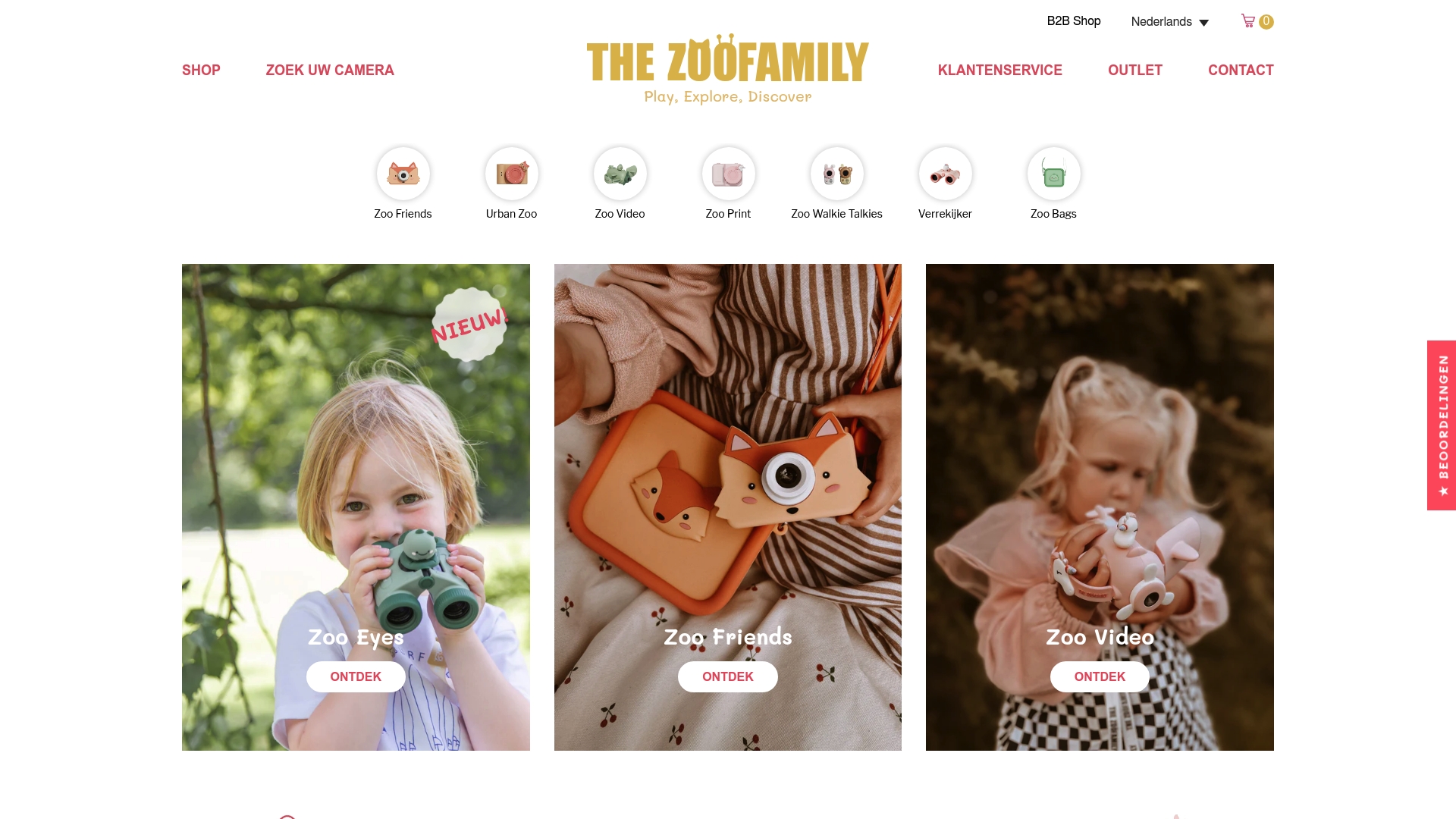
If cameras are not your plan right now, a disposable camera or a parent’s phone does the job just as well. For families who want to extend the nature theme outdoors once the rain clears, the kids camera collection is worth a look, and pairs for walkie-talkie play work well for cardboard-city storytelling too. Browse the ranges and pick whatever fits your household, no pressure either way.
FAQ
What are some fun activities I can do at home on a rainy day?
Low-prep crafts such as torn paper collage, sponge stamping and shaving-cream marbling fill short stretches of time with little setup. Add a puppet show or a cardboard city afterwards to stretch the same materials into an hour or more of play.
What can you do for fun when it’s raining?
Indoor craft projects that use paper, card, glue and paint are a reliable rainy-day option because they need almost no preparation. Pairing a craft with a simple extension, such as storytelling or a learning question, keeps the activity going once the glue is dry.
What are some creative crafts for kids to do during the rainy season?
Seasonal themes work well indoors, including rain art made with watery paint, cardboard cities for a cosy day in, and salt-dough shapes that can be reused for different seasons with new cutters. NAEYC notes that open-ended process art, where children choose how to use the materials, supports richer creative and language development than crafts aimed at copying a fixed model.
What are some fun things you can do on a rainy day?
Beyond crafts, children can build sensory bags for squish-and-draw play, sort buttons into patterns, or turn a finished craft into a short puppet show. Keeping a small craft journal of photos and drawings can give the day a lasting record once the rain stops.
Sources
- 25 rainy day crafts for kids | ParentMap
- Building fine muscle skills in young children | ACES
- Art and craft safety guide | CPSC
- Supporting the development of creativity | NAEYC
- 5 indoor activities for kids that are easy, expert-backed | Purdue Extension