

More than 60 percent of british parents say their children show increased curiosity when given access to a camera. In a world filled with constant visual stimuli, helping kids engage actively with their surroundings can positively shape how they think, create, and learn. Exploring the unique role cameras play in child development reveals surprising benefits that foster confidence, spark creativity, and build essential skills for the future.
Table of Contents
- The Role of Cameras In Child Development
- Types Of Kids’ Cameras And Their Features
- Learning Through Nature: Connecting Kids And Wildlife
- Fostering Creativity And Environmental Awareness
- Ensuring Safe And Responsible Camera Use
Key Takeaways
| Point | Details |
|---|---|
| Cameras Promote Development | Engaging with cameras nurtures curiosity, creativity, and critical thinking in children, enhancing cognitive growth. |
| Improvement in Observation Skills | Regular use of cameras helps children to develop observational skills and a sophisticated understanding of their environment. |
| Emotional and Social Learning | Photography enables children to process emotions and express themselves through storytelling, fostering emotional intelligence. |
| Encouraging Environmental Awareness | Nature photography enhances children’s appreciation for wildlife and encourages responsible engagement with the environment. |
The Role of Cameras in Child Development
Cameras represent more than mere technological devices for capturing moments; they are powerful developmental tools that spark curiosity, creativity, and cognitive growth in young minds. When children engage with cameras, they begin a transformative learning journey that extends far beyond simple image capturing. Visual exploration becomes a gateway to understanding the world around them, stimulating neural pathways and encouraging critical thinking skills.
Photography introduces children to nuanced ways of perceiving their environment. By framing shots and selecting subjects, kids learn fundamental visual composition principles while developing spatial awareness and decision-making abilities. Childhood Brain Development: A Guide for Modern European Mums suggests that interactive visual experiences are crucial for cognitive development during early childhood stages. Children who regularly engage with cameras demonstrate enhanced observational skills, improved attention to detail, and a more sophisticated understanding of perspective.
Moreover, cameras serve as exceptional tools for emotional and social learning. When children document their experiences, they’re not just taking pictures; they’re storytelling, processing emotions, and creating personal narratives. This process helps develop emotional intelligence, self-expression, and communication skills. Making Learning Fun: Engaging Activities for Your Kids highlights how creative activities like photography can transform learning from a passive to an active, engaging experience.
Key developmental benefits of camera engagement for children include:
- Enhanced visual literacy
- Improved spatial reasoning
- Increased creativity and self-expression
- Development of observational skills
- Emotional processing through visual storytelling
By transforming cameras from mere technological gadgets into educational instruments, parents can unlock remarkable potential in their children’s cognitive and emotional growth. The simple act of pointing, framing, and capturing becomes a profound learning experience that nurtures young, inquisitive minds.
Types of Kids’ Cameras and Their Features
Choosing the right camera for children involves understanding the diverse range of options designed specifically to engage and inspire young photographers. Digital cameras tailored for kids come in multiple categories, each offering unique features that cater to different developmental stages and interests. Cameras for children range from simple point-and-shoot models to more advanced devices that encourage creative exploration.
For younger children, robust and user-friendly cameras are essential. TechRadar’s 2025 guide highlights several standout options, including the VTech KidiZoom Duo FX, which offers durability and kid-friendly features like simple controls and shock-resistant design. These entry-level cameras typically include protective rubber casings, large buttons, and intuitive interfaces that make photography accessible and fun for children as young as three or four years old.
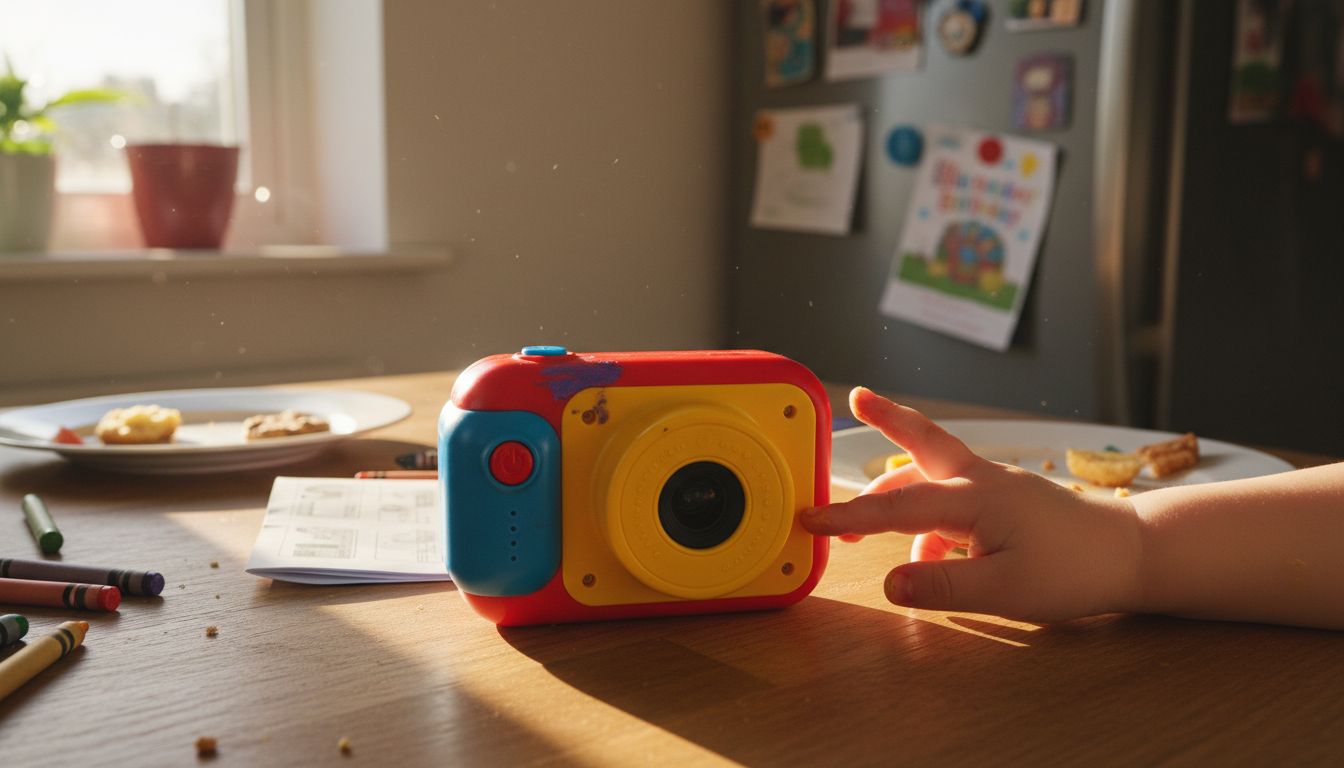
As children grow older, their camera requirements become more sophisticated. Instant cameras like the Instax Mini 11 provide an exciting option for tweens and younger teenagers, offering immediate photo gratification with a 60 mm lens and automatic exposure. More advanced digital cameras cater to budding photographers with features like adjustable settings, higher resolution sensors, and creative modes that encourage artistic expression.
Key features to consider when selecting a kids’ camera include:
- Durability and drop resistance
- Simple, intuitive controls
- Age-appropriate image resolution
- Protective design elements
- Built-in creative filters and modes
- Affordable pricing
- Lightweight and comfortable handling
Ultimately, the perfect camera for a child depends on their age, interests, and developmental stage. Whether capturing family memories, exploring creative expression, or learning basic photography skills, the right camera can transform a simple device into a powerful tool for learning and personal growth.
Learning Through Nature: Connecting Kids and Wildlife
Photography offers an extraordinary pathway for children to explore and develop a profound connection with the natural world, transforming passive observation into active engagement. Nature documentation becomes a powerful learning tool that encourages children to look closer, observe more carefully, and develop a deeper appreciation for wildlife and environmental diversity. Exploring nature through creative activities can transform ordinary outdoor experiences into extraordinary learning opportunities.
Digital cameras enable children to capture elements of their environment, fostering critical observation skills and creating a unique lens through which they can understand the intricate details of wildlife. By documenting their discoveries, children develop a more nuanced understanding of ecological systems, animal behaviours, and the delicate interconnections within natural habitats. This process of visual documentation encourages mindful exploration and helps children develop a sense of curiosity and respect for the environment.
Using digital cameras allows children to document their experiences with different environments, enhancing their appreciation for biodiversity and cultural landscapes. Through photography, young explorers learn to notice subtle details they might otherwise overlook – the intricate patterns of butterfly wings, the unique textures of tree bark, or the complex social interactions of animals in their natural habitats. This visual learning approach transforms scientific observation into an engaging, personal experience that resonates deeply with children’s natural sense of wonder.
Key benefits of nature photography for children include:
- Enhanced observational skills
- Increased environmental awareness
- Development of visual documentation techniques
- Improved understanding of ecological systems
- Cultivation of curiosity and respect for wildlife
- Encouragement of creative expression
By providing children with cameras and encouraging them to explore the natural world, parents and educators can unlock a powerful learning experience that combines technology, creativity, and environmental education. The simple act of photographing wildlife becomes a gateway to deeper understanding, fostering a lifelong connection with the natural world.
Fostering Creativity and Environmental Awareness
Children possess an innate curiosity about the world around them, and cameras provide a powerful medium to channel this natural wonder into meaningful learning experiences. Creative exploration becomes a transformative tool that allows young minds to see their environment through a unique lens, developing critical thinking skills and environmental consciousness. Understanding eco-friendly approaches can help parents nurture this developmental journey.
Integrating digital cameras into environmental education allows children to document and analyse their natural surroundings, fostering a deeper connection with the environment. By capturing images of local ecosystems, wildlife, and natural phenomena, children develop a more nuanced understanding of ecological interactions. This visual documentation process encourages critical observation, scientific thinking, and a sense of environmental stewardship that extends beyond classroom learning.
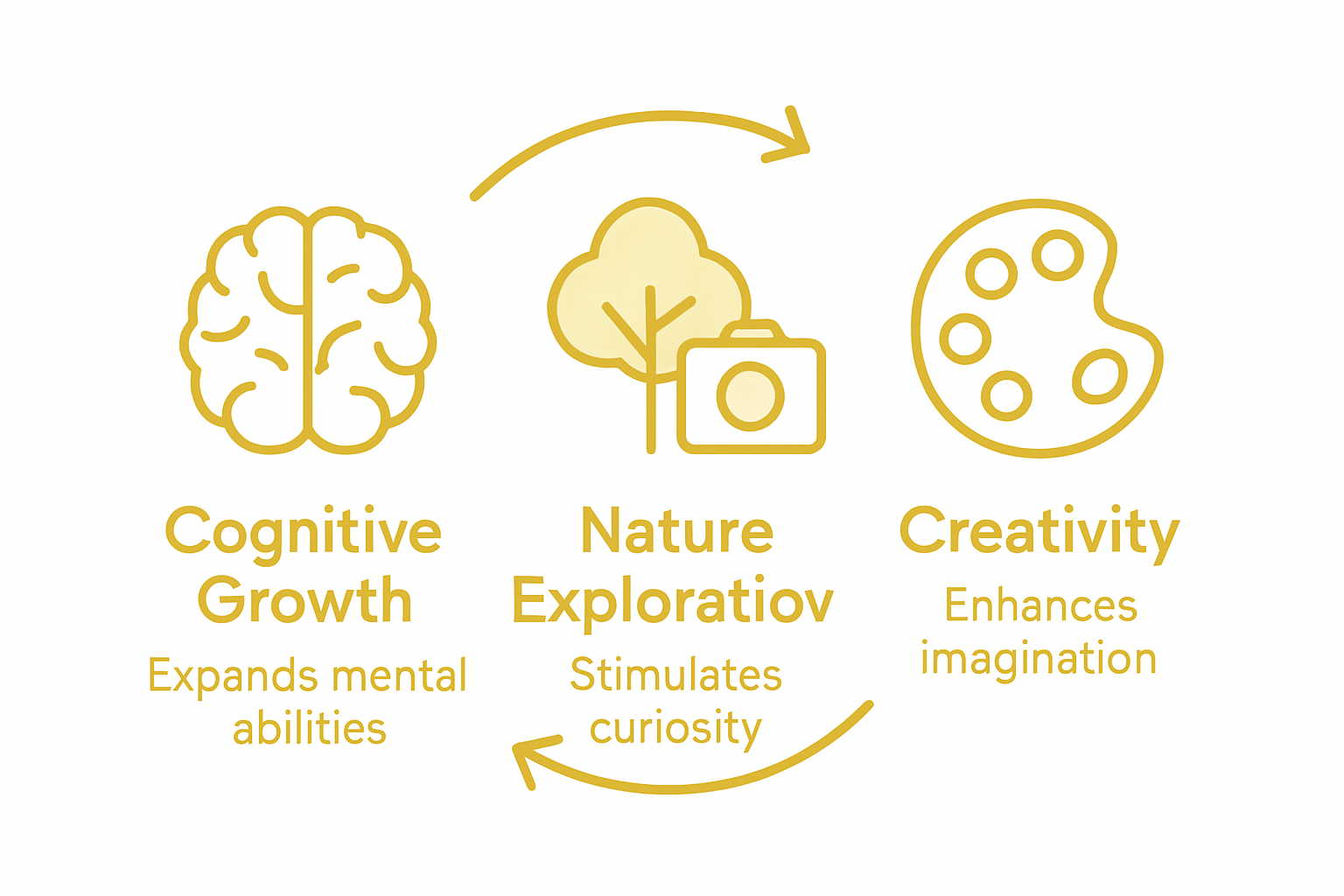
Creativity emerges naturally when children are empowered to explore and interpret their world through photography. The act of framing a shot, understanding composition, and selecting subjects becomes an artistic expression that develops visual literacy and emotional intelligence. Children learn to communicate complex ideas through imagery, translating their observations and feelings into visual narratives that capture the beauty and complexity of the natural world.
Key benefits of creative environmental photography for children include:
- Enhanced observational skills
- Improved environmental awareness
- Development of visual communication
- Increased scientific curiosity
- Emotional connection with nature
- Cultivation of creative problem-solving
By providing children with cameras and encouraging them to explore their surroundings, parents and educators can unlock a powerful learning experience that combines technological skill, artistic expression, and environmental consciousness. The simple act of capturing the world becomes a gateway to deeper understanding and appreciation of our planet’s intricate ecosystems.
Ensuring Safe and Responsible Camera Use
Photography can be an exciting journey for children, but it requires thoughtful guidance to ensure both safety and positive learning experiences. Responsible camera use involves more than just handling equipment; it encompasses understanding boundaries, respecting privacy, and developing a healthy relationship with technology. Photography scavenger hunts offer an engaging way to introduce children to responsible camera interaction.
TechRadar’s guide emphasises selecting durable and age-appropriate cameras that incorporate built-in safety features designed specifically for children. These specialised devices often include protective casings, limited storage capabilities, and parental control settings that prevent inappropriate content access. For younger children, cameras with simplified interfaces and robust construction prevent accidental damage while encouraging exploration and learning.
The Bigshot camera demonstrates innovative approaches to safe camera design, featuring transparent components that allow children to understand technological mechanisms while maintaining safety. Such educational designs transform cameras from mere recording devices into interactive learning tools that promote technological curiosity and responsible usage. Children learn about device mechanics, digital etiquette, and the importance of respectful image capture.
Key principles for safe and responsible camera use include:
- Always obtain permission before photographing people
- Understand and respect personal boundaries
- Learn about digital privacy
- Handle equipment with care
- Share images responsibly
- Ask an adult if unsure about capturing an image
By establishing clear guidelines and providing age-appropriate equipment, parents can transform camera use into a meaningful educational experience that nurtures creativity, technological understanding, and social awareness.
Inspire Young Minds with The Zoofamily�27s Creative Cameras
Children thrive when they explore the world through hands-on learning tools that ignite curiosity and creativity. The article highlights the power of cameras in developing observational skills, emotional expression, and environmental awareness in young minds. Yet finding durable, age-appropriate cameras that encourage visual storytelling and connect children with nature remains a challenge for many parents and educators.
At The Zoofamily, we understand these needs deeply. We have designed the best kids�27 cameras to spark imagination and meaningful connections not only with one another but also with our planet. Each camera features engaging animal references to nurture a love for wildlife and inspire environmental responsibility. When you choose our innovative cameras, you support a future where natural beauty is sustained because for every camera sold, we plant one tree.
Explore our unique kids�27 cameras and provide your child with a tool that transforms photography into a journey of creativity, learning, and ecological respect.

Help your child develop critical thinking, visual literacy, and a profound respect for nature right now. Discover how The Zoofamily cameras bring these benefits to life and make every snapshot a step toward a brighter, greener tomorrow.
Frequently Asked Questions
How can photography promote cognitive development in children?
Engaging with cameras allows children to enhance their observational skills, improve attention to detail, and develop critical thinking abilities through visual exploration and storytelling.
What are the key features to consider when buying a camera for children?
Important features include durability, user-friendly controls, age-appropriate image resolution, protective design, and built-in creative filters or modes that encourage exploration and creativity.
How does nature photography benefit children’s learning experiences?
Nature photography encourages children to observe their environment closely, develops a deeper appreciation for biodiversity, and enhances scientific curiosity through visual documentation of wildlife and ecological systems.
What guidelines should parents follow to ensure safe camera use for their children?
Parents should teach children to obtain permission before photographing people, respect personal boundaries, handle equipment carefully, and share their images responsibly, promoting a healthy relationship with technology.
Recommended
- Making Learning Fun: Engaging Activities for Your Kids – The Zoofamily
- Making Learning Fun: Engaging Activities for Your Kids – The Zoofamily
- Top caméras ludiques nature – Comparaison des 7 meilleures en 2025 – The Zoofamily
- 7 Tips for Exciting Photography Scavenger Hunts – The Zoofamily
- Visual Learning Benefits: Complete Guide for Malaysia - Projector Display