

European forests cover more than one third of the continent’s land area and shelter an astonishing bounty of wildlife. You might picture these woodlands as quiet places filled only with the odd deer or bird. There is a whole cast of creatures here from wolves and bears to salamanders and rare songbirds that most people never even imagine thriving so close to our cities and towns.
Table of Contents
- What Animals Live In European Forests?
- Why Are European Forest Animals Important?
- How Do Animals Adapt To Forest Life?
- What Threats Do Animals In European Forests Face?
- How Can We Support Forest Animals In Our Communities?
Quick Summary
| Takeaway | Explanation |
|---|---|
| Large mammals maintain ecological balance | Apex predators like wolves and lynx control prey populations, preventing overgrazing and ensuring forest health. |
| Small wildlife supports ecosystem functions | Rodents and birds play vital roles in seed dispersal and insect population control, enabling forest regeneration and biodiversity. |
| Conservation efforts are essential for survival | Community initiatives and awareness can protect habitats and wildlife, addressing threats like habitat loss and climate change. |
| Education fosters stewardship of local ecosystems | Environmental education empowers individuals to understand and actively support forest conservation, benefiting animal species and habitats. |
| Adaptations ensure survival in forests | Animals have developed unique physical and behavioural adaptations to thrive in dense woodland environments and seasonal challenges. |
What Animals Live in European Forests?
European forests represent a vibrant and complex ecosystem teeming with diverse wildlife, offering a fascinating glimpse into the intricate balance of nature. These woodland landscapes host an extraordinary range of animals, each playing a critical role in maintaining the forest’s ecological harmony.
Large Mammals of European Woodlands
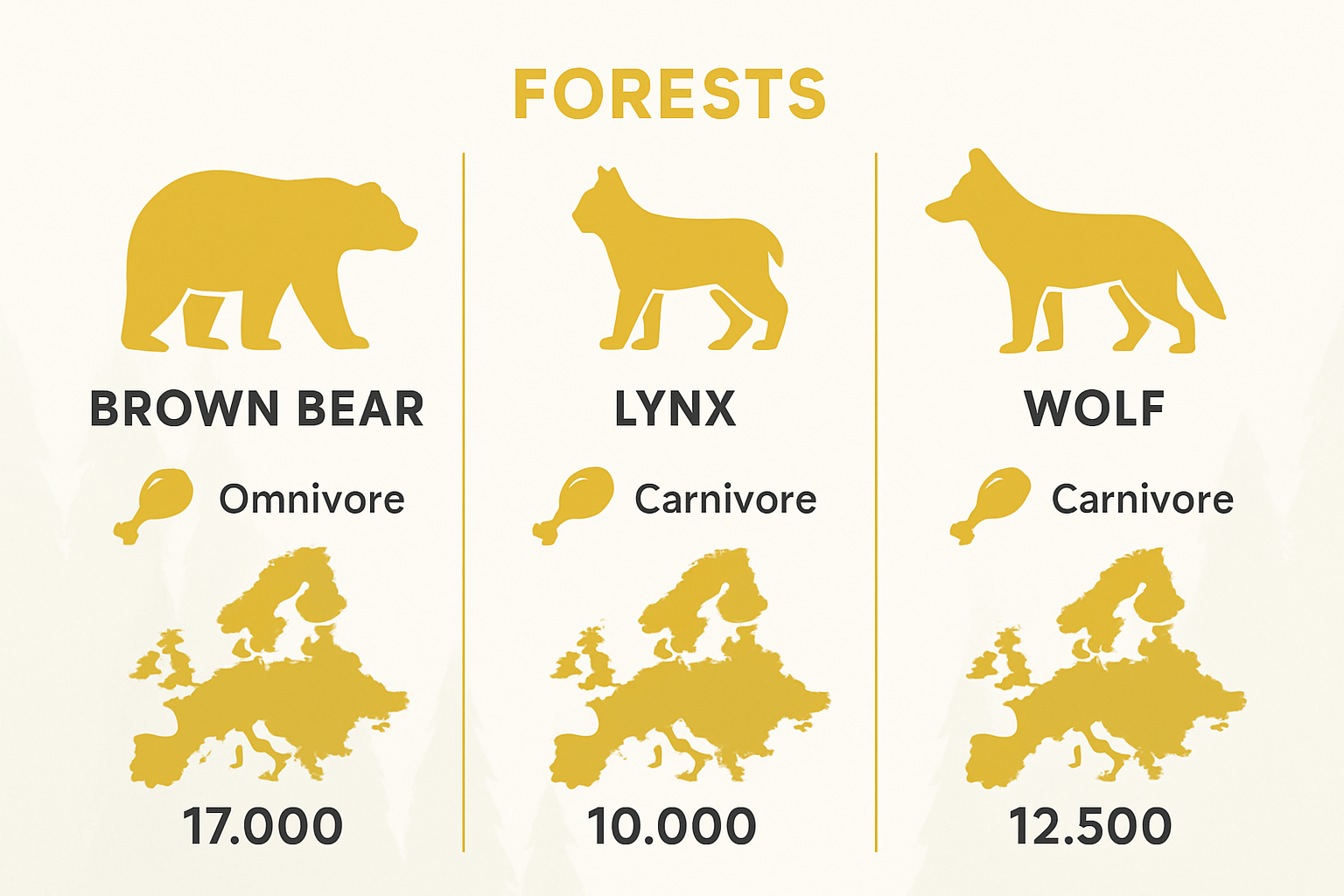
The forests of Europe are home to several remarkable large mammal species that capture the imagination. Wolves, brown bears, and lynx represent the apex predators that roam these woodlands, maintaining population balance and ecosystem health. These magnificent creatures have survived despite historical human conflicts and habitat fragmentation.
According to the EUROPARC Federation, these predators contribute significantly to the forest’s biodiversity. They regulate prey populations and help prevent overpopulation of herbivorous species like deer and wild boar.
Diverse Smaller Wildlife
Beyond the large mammals, European forests shelter an incredible variety of smaller animals. Red squirrels dart between branches, European pine martens hunt small prey, and numerous rodent species like bank voles and wood mice create complex underground networks. These smaller creatures are essential for seed dispersal, soil aeration, and serving as food sources for larger predators.
Birds also play a crucial role in these ecosystems. Woodpeckers create nesting cavities that later serve other species, while owls and various songbirds contribute to insect population control and forest regeneration.
Reptiles, Amphibians, and Invertebrates
The forest floor and understory host an equally fascinating world of reptiles, amphibians, and countless invertebrates. Salamanders, frogs, and various snake species find refuge in the moist environments between trees. Beetles, spiders, and countless insect species form the foundational layer of the forest’s food web, supporting everything from small mammals to large predators.
These intricate interactions demonstrate how European forests are not just collections of trees, but living, breathing ecosystems where every organism plays a vital interconnected role.
The following table organises key animal groups found in European forests, providing examples and summarising their ecological roles for better comparison and understanding.
| Animal Group | Example Species | Main Ecological Roles |
|---|---|---|
| Large Mammals | Wolves, Lynx, Brown bears | Regulate prey, maintain population balance |
| Small Mammals | Red squirrels, Bank voles | Seed dispersal, soil aeration, prey species |
| Birds | Woodpeckers, Owls | Insect control, nesting site creation |
| Reptiles & Amphibians | Salamanders, Frogs | Control insect populations, nutrient cycling |
| Invertebrates | Beetles, Spiders | Foundation of food web, decomposition |
Why Are European Forest Animals Important?
European forest animals play a pivotal role in maintaining ecological balance, biodiversity, and environmental sustainability. These creatures are far more than mere inhabitants of woodland ecosystems they are essential contributors to complex environmental processes that support life across the continent.
Ecological Balance and Ecosystem Services
Forest animals perform critical functions that maintain the health and stability of woodland environments. Predators like wolves and lynx regulate populations of herbivorous species, preventing overgrazing and protecting vegetation. Small mammals such as rodents facilitate seed dispersal, enabling forest regeneration and supporting plant diversity.
According to the International Union for Conservation of Nature, these animals are indicators of ecosystem health, providing crucial insights into environmental changes and biodiversity status. Their presence or absence can signal broader ecological shifts that impact entire landscapes.
Biodiversity and Genetic Conservation
Each animal species contributes to a complex web of genetic diversity that ensures ecosystem resilience. Insects, birds, and mammals interact in intricate relationships that have evolved over thousands of years. This genetic diversity helps forests adapt to changing environmental conditions, including climate variations and potential disease outbreaks.
Key contributions of forest animals include:
- Pollination of plants
- Seed dispersal mechanisms
- Soil nutrient cycling
- Population control of potential pest species
Climate and Environmental Regulation
Forest animals indirectly contribute to climate regulation through their roles in ecosystem maintenance. By supporting forest health, they help preserve carbon storage capabilities, reduce soil erosion, and maintain water cycles. Larger mammals create pathways that support forest floor biodiversity, while smaller creatures help decompose organic matter, enriching soil nutrients.
The interconnected nature of these animals demonstrates that European forest wildlife are not just inhabitants, but active managers of their environment. Their survival and wellbeing are intrinsically linked to the broader ecological systems that sustain life across the continent.
How Do Animals Adapt to Forest Life?
Forest life presents complex challenges that require remarkable survival strategies from animals. These woodland environments demand sophisticated adaptations enabling creatures to navigate dense vegetation, manage limited resources, and survive varying seasonal conditions.
Physical and Behavioral Adaptations
Animals in European forests have developed intricate physical and behavioral mechanisms to thrive in their woodland habitats. Camouflage plays a critical role, with many species developing coat colors and patterns that blend seamlessly with forest floors and tree bark. Squirrels, for instance, possess fur tones matching bark and leaf litter, rendering them nearly invisible to predators.
According to the Encyclopaedia Britannica, seasonal adaptations are particularly significant. Many forest mammals grow thicker winter coats and develop behavioral strategies like food caching to survive harsh conditions. Pine martens and red foxes exemplify this adaptive capability by changing fur density and developing complex hunting and foraging techniques.
Nutritional and Survival Strategies
Nutritional adaptation represents another crucial survival mechanism for forest animals. Small mammals like wood mice and bank voles have evolved specialized digestive systems allowing them to extract maximum nutrition from limited forest resources. These creatures develop complex food storage techniques, creating underground caches that sustain them through winter months.
Key nutritional adaptation strategies include:
- Omnivorous dietary flexibility
- Efficient metabolic processes
- Seasonal food hoarding
- Ability to consume diverse forest vegetation
Nocturnal and Social Adaptations
Many forest animals have developed nocturnal behaviors to reduce predation risk and optimize resource utilization. Creatures like badgers and dormice have evolved heightened sensory capabilities enabling effective night navigation. Social animals such as wolves demonstrate complex cooperative hunting and territorial strategies that enhance collective survival.
These multifaceted adaptations showcase the extraordinary resilience of European forest wildlife. Each species has developed unique strategies that reflect millions of years of evolutionary refinement, enabling survival in one of nature’s most intricate ecosystems.
What Threats Do Animals in European Forests Face?
European forest animals confront an increasingly complex array of environmental challenges that threaten their survival and ecosystem stability. These threats stem from human activities, climate change, and broader ecological transformations that compromise wildlife habitats and population dynamics.
Habitat Fragmentation and Loss
Habitat destruction represents the most immediate threat to forest wildlife. Human activities such as urban expansion, agricultural development, and infrastructure projects continuously reduce and isolate woodland areas. This fragmentation disrupts animal migration routes, breeding patterns, and access to critical resources.
Forest animals like lynx, wolves, and deer require extensive interconnected territories. When these spaces become fragmented, populations become isolated, reducing genetic diversity and increasing vulnerability to environmental changes. Smaller woodland creatures such as dormice and pine martens experience similar challenges, with reduced habitat leading to decreased population resilience.
Climate Change Impacts
According to the IPBES Global Assessment Report, climate change poses significant risks to forest biodiversity. Rising temperatures alter vegetation patterns, disrupt seasonal cycles, and create unpredictable environmental conditions that challenge animal survival strategies.
Key climate-related threats include:
- Increased frequency of extreme weather events
- Shifts in vegetation and food availability
- Disruption of hibernation and migration patterns
- Higher susceptibility to diseases
Human-Wildlife Conflict and Ecological Pressures
Direct human interference and ecological pressures further complicate forest animal survival. Hunting, illegal poaching, and increased human encroachment create additional stress on already vulnerable populations. Predator species like wolves and bears face particular challenges, often being perceived as threats to livestock and human settlements.
Invasive species introduction and environmental pollution compound these challenges. Non-native plant and animal species can disrupt existing ecological balances, outcompeting native wildlife and altering fundamental ecosystem interactions.
These multifaceted threats underscore the urgent need for comprehensive conservation strategies that protect not just individual species, but entire forest ecosystems and their intricate ecological networks.
This table compares the principal threats faced by European forest animals, the causes behind these dangers, and their major impacts on wildlife and ecosystems.
| Threat | Primary Cause | Major Impact |
|---|---|---|
| Habitat fragmentation and loss | Urban expansion, agriculture | Disrupted migration, reduced genetic diversity |
| Climate change impacts | Rising temperatures, altered vegetation | Disrupted hibernation, food scarcity |
| Human-wildlife conflict & pressure | Hunting, poaching, encroachment | Population decline, isolation of species |
| Invasive species & pollution | Non-native introductions, chemical use | Competition, ecosystem imbalance |
How Can We Support Forest Animals in Our Communities?
Protecting forest animals requires collective action and thoughtful community engagement. Individuals and local groups can play crucial roles in preserving woodland ecosystems and supporting the diverse wildlife that inhabits these critical environments.
Education and Awareness
Environmental education forms the foundation of effective wildlife conservation. Understanding the intricate relationships between forest animals and their habitats helps communities develop more compassionate and strategic approaches to conservation. Schools, community centers, and local nature groups can organize workshops, guided nature walks, and informational programs that highlight the importance of forest biodiversity.
Children and adults can learn about local wildlife species, their behaviors, and the challenges they face. This knowledge transforms passive observers into active conservation supporters who understand the ecological significance of every forest creature.
Community Conservation Initiatives
According to the Food and Agriculture Organization, community involvement is critical in forest stewardship. Local initiatives can make significant impacts through targeted conservation efforts.
Practical community support strategies include:
- Creating wildlife-friendly garden spaces
- Supporting local reforestation projects
- Participating in wildlife monitoring programs
- Reducing chemical pesticide and herbicide use
- Supporting local wildlife rehabilitation centers
Responsible Environmental Practices
Individuals can contribute to forest animal conservation through daily lifestyle choices. Reducing waste, minimizing plastic consumption, and supporting sustainable local businesses can indirectly support forest ecosystems. Responsible waste management prevents pollution that impacts wildlife habitats.
Additionally, supporting local and national policies that protect forest areas and wildlife corridors creates broader systemic changes. Voting for environmentally conscious representatives, participating in public consultations, and advocating for wildlife protection demonstrates community commitment to preserving these critical ecological spaces.
Every small action contributes to a larger conservation effort, reinforcing the delicate balance between human communities and the rich, diverse wildlife of European forests.
Inspire Young Minds to Protect Europe’s Wildlife
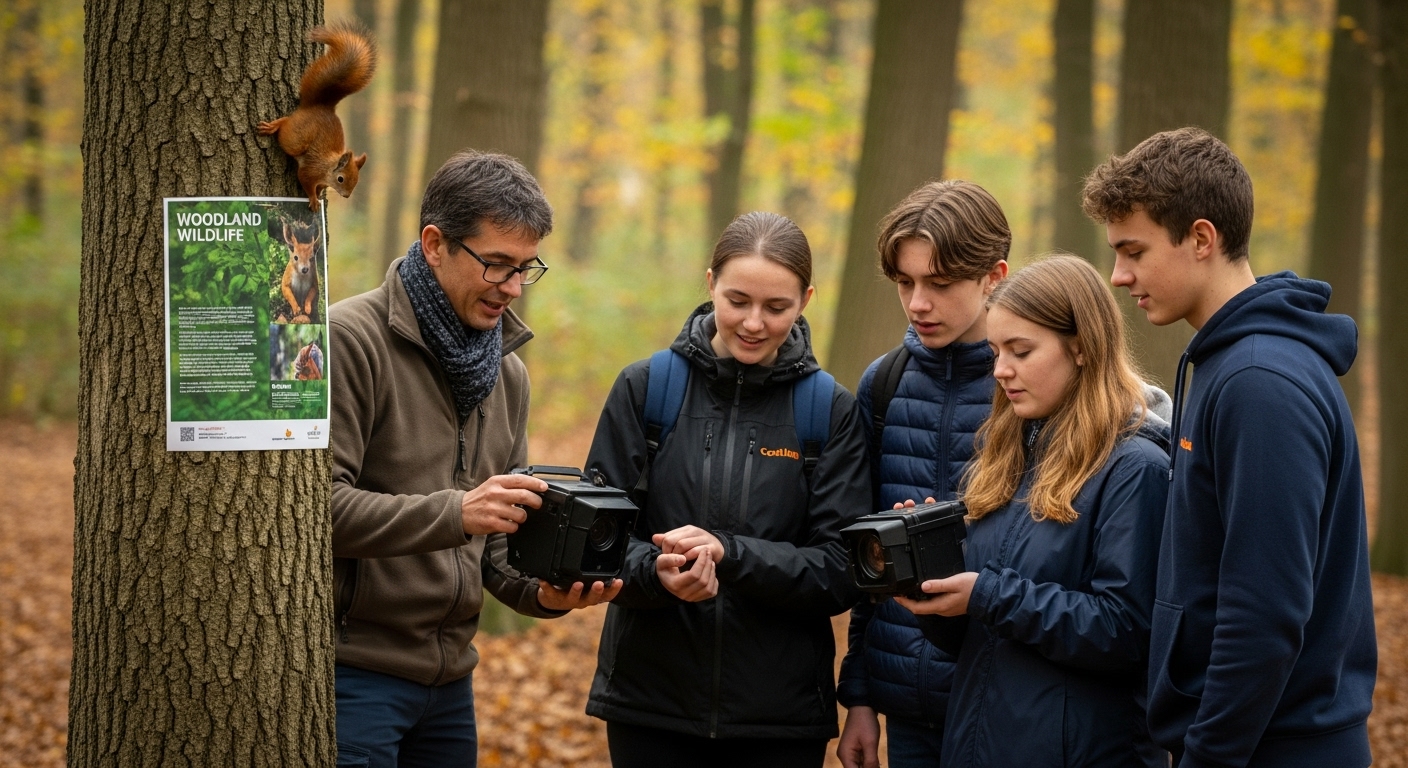
Discovering the unique animals of European forests often leaves families wondering how to help children connect with nature and become champions for wildlife. The article highlighted the threats facing forest species, the need for ecological balance, and the power of education in building a lifelong respect for endangered habitats. Many readers feel unsure how to spark genuine curiosity about biodiversity in a world increasingly dominated by screens.

Bring the beauty of Europe’s forests into your child’s hands with The Zoofamily. Our nature-inspired cameras, walkie-talkies, and binoculars are designed with animal references to encourage kids to explore and learn about the wild world around them. Start their journey towards becoming nature advocates in your own backyard. Plus, with every camera purchased, we plant a tree for a greener future. Help your child discover the wonders described in the article and make a real difference for forest wildlife today. Visit The Zoofamily and give your family a reason to get outside and care for nature now.
Frequently Asked Questions
What types of large mammals are found in European forests?
European forests are home to large mammals such as wolves, brown bears, and lynx, which play critical roles as apex predators in maintaining ecological balance.
How do smaller wildlife species contribute to forest ecosystems?
Smaller wildlife species like red squirrels, European pine martens, and various rodents aid in seed dispersal and soil aeration, thus supporting forest regeneration and serving as food for larger predators.
What are the key threats to animals in European forests?
Key threats include habitat fragmentation due to human activities, climate change impacts such as altered vegetation patterns, and human-wildlife conflict stemming from hunting and habitat disturbance.
How can individuals support wildlife conservation in forested areas?
Individuals can support wildlife conservation by participating in community conservation initiatives, engaging in environmental education, and adopting responsible practices such as reducing waste and supporting protective policies.