

Every parent faces that moment when the recycling bin overflows with cardboard, bottles, and packaging from weekly routines. Transforming this familiar waste into purposeful creations can shift your child’s perspective on rubbish and encourage a meaningful connection with their environment. By embracing creative reuse, you guide your family towards resourcefulness while making sustainability both fun and tangible. This guide offers inspiring, hands-on ideas to help your children explore creativity and nurture a sense of wonder for the natural world.
Table of Contents
- What Is Creative Reuse And Why It Matters
- Popular Ways To Reuse Materials With Kids
- Projects That Foster Nature Connections
- Safety, Sustainability, And Making It Fun
- Avoiding Pitfalls And Wasteful Mistakes
Key Takeaways
| Point | Details |
|---|---|
| Creative Reuse Benefits | Transforming waste into valuable products reduces landfill waste and promotes environmental responsibility. |
| Engaging Children | Involving kids in creative reuse fosters critical thinking and a connection to sustainability through hands-on projects. |
| Safety Considerations | Ensuring safe handling of materials is essential for successful creative reuse projects, prioritising clean and non-toxic items. |
| Avoiding Mistakes | Selecting suitable materials and avoiding those with potential hazards is crucial for meaningful creative transformations. |
What Is Creative Reuse and Why It Matters
Creative reuse transforms discarded materials into valuable and imaginative new products, representing an innovative approach to sustainability. By reimagining waste as a resource, this practice challenges traditional linear consumption models and encourages individuals to see potential where others see rubbish.
At its core, creative reuse (or upcycling) is about challenging traditional waste narratives through imaginative transformation. It bridges multiple disciplines including design, environmental science, and education. Unlike standard recycling, which often degrades material quality, creative reuse elevates materials, giving them enhanced value and purpose.
Practitioners of creative reuse understand that waste represents an opportunity, not an endpoint. Large-scale sculptures created from recycled materials demonstrate how seemingly worthless objects can become powerful educational tools. These projects inspire communities to rethink consumption, showing that creativity can turn environmental challenges into artistic expressions.
Key benefits of creative reuse include reducing landfill waste, minimising resource consumption, and fostering innovative thinking. By engaging children and adults alike in reimagining materials, we cultivate a mindset of resourcefulness and environmental responsibility.
Here’s a quick comparison of creative reuse and traditional recycling approaches:
| Aspect | Creative Reuse | Traditional Recycling |
|---|---|---|
| Material Quality | Often enhanced | Frequently degraded |
| Innovation Potential | High, encourages creativity | Low, focused on repeat processes |
| Environmental Impact | Reduces waste at source | Manages waste after disposal |
| Learning Value | Promotes problem-solving skills | Teaches basic sorting and sustainability |
Pro tip: Start a family creative reuse box where everyone collects interesting packaging, fabric scraps, and small objects that might spark future art projects or practical inventions.
Popular Ways to Reuse Materials With Kids
Engaging children in creative reuse transforms everyday waste into exciting learning opportunities that spark imagination and environmental awareness. Hands-on recycling projects provide interactive experiences that help youngsters understand sustainability in tangible, memorable ways.
Children can explore numerous creative reuse activities that turn seemingly disposable materials into artistic treasures. Some exciting projects include:
- Creating musical instruments from cardboard tubes and plastic containers
- Designing robots and sculptures using cleaned packaging materials
- Transforming glass jars into planters or pencil holders
- Making decorative wind chimes from old kitchen utensils
- Crafting jewellery from buttons, fabric scraps, and discarded wire
Educational resources for students emphasise the importance of understanding waste reduction through practical, engaging activities. By involving children in these creative processes, parents can help develop critical thinking skills while simultaneously teaching environmental responsibility.
The key is to make reuse projects fun, age-appropriate, and focused on exploration. Younger children might enjoy simple collage work, while older kids could tackle more complex upcycling challenges that require problem-solving and design skills.
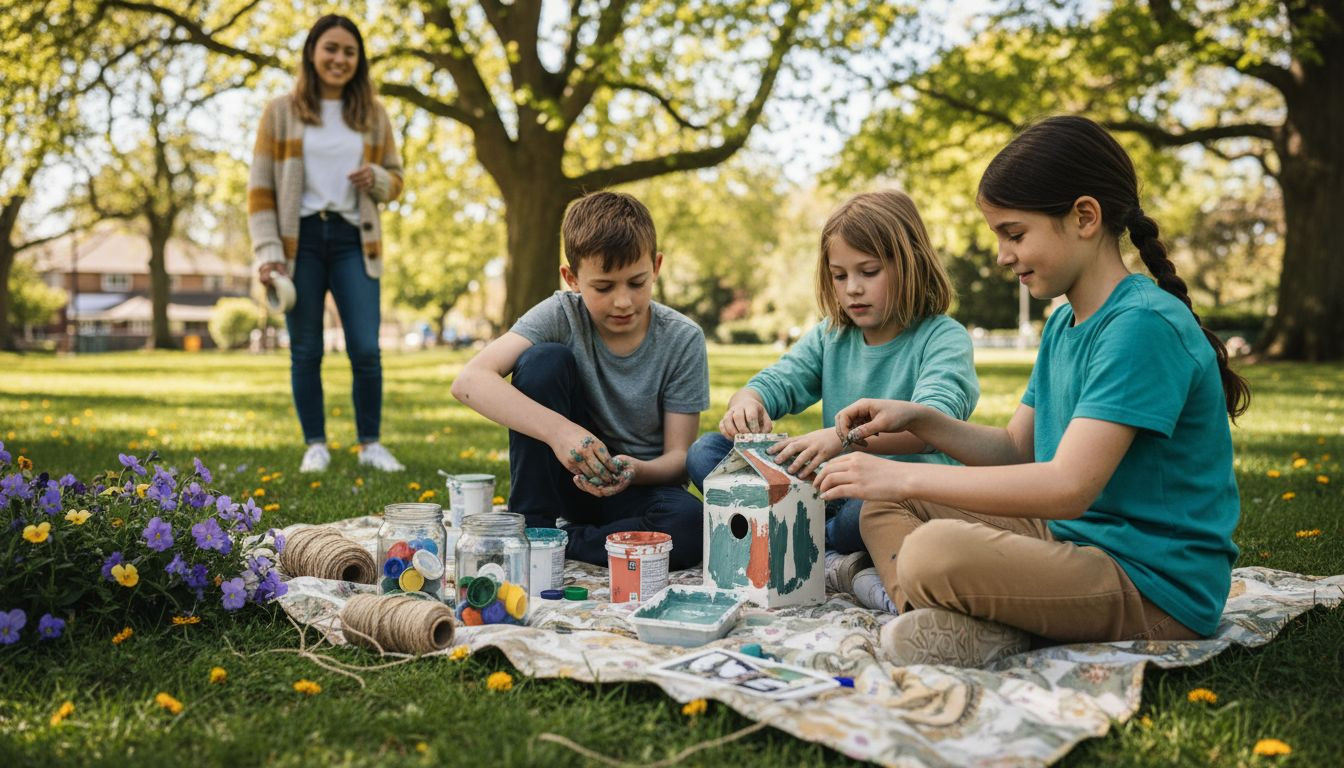
Pro tip: Set up a dedicated family creativity station with clearly labelled containers for different recyclable materials, making it easy and exciting for kids to collect and transform potential art supplies.
Projects That Foster Nature Connections
Connecting children with nature requires thoughtful, engaging activities that transform environmental learning into exciting adventures. By creating immersive experiences, parents and educators can help children develop deep, meaningful relationships with the natural world around them.
Some powerful projects that nurture nature connections include:
- Building insect hotels using recycled materials
- Creating wildlife tracking journals
- Developing small herb or vegetable gardens
- Mapping local biodiversity in neighbourhood parks
- Constructing bird feeders from repurposed containers
School nature engagement programmes demonstrate that hands-on environmental interactions significantly improve children’s understanding and appreciation of natural ecosystems. These experiences go beyond simple observation, encouraging active participation and stewardship.
Successful nature connection projects share common characteristics: they are interactive, sensory-rich, and allow children to explore, discover, and develop personal connections with their environment. Younger children might start with simple activities like leaf collecting or rock painting, while older children can engage in more complex conservation projects.
Pro tip: Create a family nature journal where everyone records observations, sketches wildlife, and tracks seasonal changes, transforming mundane moments into exciting ecological discoveries.
Safety, Sustainability, and Making It Fun
Safe handling of materials forms the foundation of any successful creative reuse project with children. Parents and educators must prioritise both learning and protection, ensuring that every activity balances educational value with child safety.
Key safety considerations for creative reuse projects include:
- Using clean, non-toxic materials
- Supervising children when using scissors or craft tools
- Checking materials for sharp edges or potential hazards
- Wearing protective equipment like gloves or safety glasses
- Washing hands thoroughly after handling recycled items
Sustainable learning techniques transform mundane recycling into exciting adventures that capture children’s imagination. By presenting environmental responsibility as a game rather than a chore, parents can cultivate genuine interest in conservation and creative problem-solving.
Age-appropriate engagement is crucial. Younger children might sort materials and assist with simple tasks, while older children can take on more complex design and construction challenges. The goal is to make sustainability feel like an exciting exploration, not a restrictive set of rules.
The following table highlights considerations for ensuring safety and sustainability during creative reuse projects:
| Guideline | Why It Matters | Extra Tip |
|---|---|---|
| Clean materials | Prevents health risks | Insist on thorough washing |
| Age-appropriate tasks | Reduces accidents | Assign tasks by skill level |
| Protective equipment | Minimises injury | Encourage consistent usage |
| Evaluate materials | Ensures suitability | Use a checklist before starting |
Pro tip: Create a dedicated ‘sustainability station’ in your home with clearly labelled containers for different recyclable materials, making sorting and reusing an accessible, enjoyable family activity.
Avoiding Pitfalls and Wasteful Mistakes
Effective material selection is crucial in preventing unnecessary waste and ensuring safe, sustainable creative projects. Not all materials are suitable for reuse, and understanding which items can be transformed responsibly is key to meaningful environmental education.
Common mistakes to avoid in creative reuse include:
- Using materials with toxic residues or chemical contamination
- Attempting to repurpose items that are structurally compromised
- Overlooking potential safety hazards like sharp edges
- Collecting excessive materials without clear project plans
- Mixing incompatible materials that cannot be effectively recycled
Sustainable classroom practices emphasise the importance of creating systematic approaches to material collection and repurposing. By establishing clear guidelines and teaching children to critically assess potential reuse opportunities, families can transform waste management into an engaging learning experience.
Children should learn to evaluate materials based on cleanliness, structural integrity, and potential for creative transformation. This analytical approach not only prevents wasteful mistakes but also develops critical thinking skills that extend far beyond recycling projects.
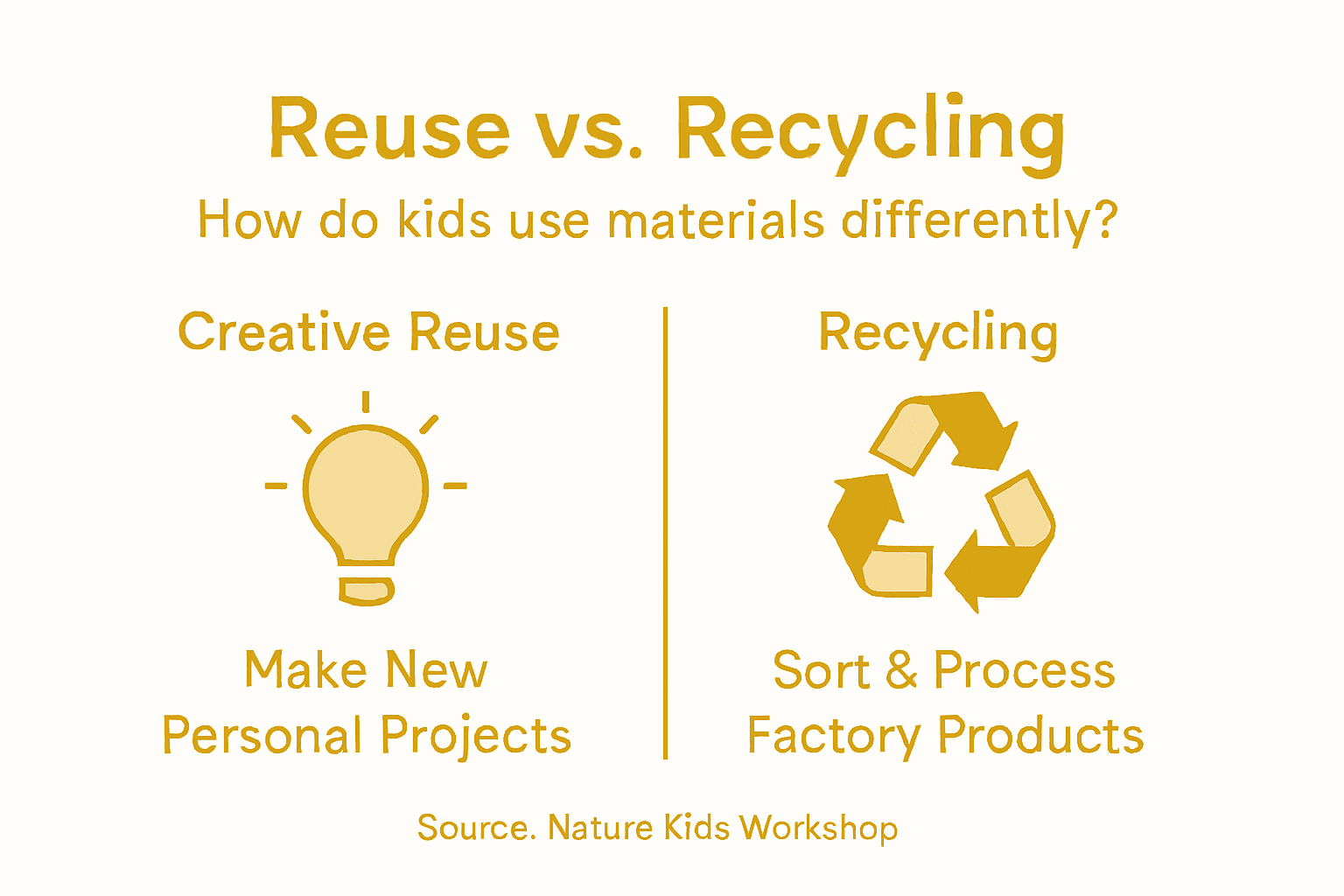
Pro tip: Create a family ‘material assessment’ checklist that helps children systematically evaluate whether an item is safe and suitable for creative reuse before starting any project.
Inspire Creative Nature Connections with The Zoofamily
The article highlights the challenge of engaging children in creative reuse and nature connection projects while ensuring safety and sustainability. Many parents and educators seek ways to spark curiosity about the environment and develop problem-solving skills through imaginative activities that go beyond typical recycling. A key pain point is finding tools that encourage kids to explore nature meaningfully while fostering respect for our planet.
At The Zoofamily, we understand this unique need. Our specially designed kids’ cameras, walkie-talkies, and binoculars make outdoor learning exciting and interactive. Each product features animal references intended to deepen children’s interest in the natural world and inspire them to care for it. Plus, with every camera sold, we plant a tree, helping restore natural beauty for future generations. This is a perfect way to bring the article’s creative reuse and nature connection concepts into everyday family adventures.
Engage your children in hands-on environmental discovery today with The Zoofamily.
Discover tools that transform learning into playful exploration. Visit The Zoofamily now to start nurturing your child’s creativity and environmental responsibility while making nature fun and accessible.
Frequently Asked Questions
What is creative reuse?
Creative reuse, also known as upcycling, involves transforming discarded materials into valuable new products, promoting sustainability and innovative problem-solving.
How can I engage my kids in creative reuse projects?
You can involve your kids by organising hands-on activities such as creating musical instruments from cardboard tubes, designing sculptures from packaging, or transforming glass jars into planters.
What are the safety considerations when working on creative reuse projects with children?
Key safety considerations include using clean, non-toxic materials, supervising children with scissors or tools, checking for sharp edges, and washing hands thoroughly after handling recycled items.
What mistakes should I avoid in creative reuse projects?
Common mistakes to avoid include using contaminated materials, attempting to repurpose structurally compromised items, collecting excessive materials without a plan, and mixing incompatible materials.
Recommended
- Making Learning Fun: Engaging Activities for Your Kids – The Zoofamily
- Comment protéger la planète au quotidien avec ses enfants – The Zoofamily
- Meilleurs gadgets plein air enfants – Comparatif 2025 – The Zoofamily
- Bricolages avec coquillages : Créez des cadeaux uniques pour enfants – The Zoofamily
- Sustainable Wedding Photography: Eco Impact for UK Couples
- Soap Dish Benefits | Why Choose a Bamboo Soap Dish – The Soap Lab Scotland
- 7 Key Eco-Friendly Safari Benefits for Travelers - Namibia Luxury Safaris | Book Your 2025/2026 Adventure Today