

Every eco-conscious mum knows the challenge of finding gifts that spark creativity while respecting the planet. Digital toy cameras stand out by combining playful exploration with eco-friendly materials, creating opportunities for children to learn and express themselves through unique photographic adventures. Discover how these innovative devices blend environmental responsibility, artistic fun, and lasting memories, making them the perfect choice for families who value both imagination and sustainability.
Table of Contents
- Toy Camera Digital – Essential Concepts
- Comparing Types And Creative Functions
- Eco-Friendly Materials And Planet-First Designs
- Safety Standards, Durability, And Battery Care
- Encouraging Nature Exploration And Connection
Key Takeaways
| Point | Details |
|---|---|
| Toy Cameras Foster Creativity | Digital toy cameras prioritise imaginative expression, encouraging users to enjoy the art of photography without the pressure of technical perfection. |
| Age-Appropriate Design Enhances Learning | Different digital toy cameras are available for various age groups, supporting tailored creative development and interaction. |
| Sustainability is Key | The use of eco-friendly materials in toy camera production underscores a commitment to both child safety and environmental responsibility. |
| Safety and Durability Are Crucial | Comprehensive safety features and robust design ensure that digital toy cameras remain reliable and safe for active children. |
Toy camera digital – essential concepts
Toy cameras are unique photographic devices designed to inspire creativity and playful experimentation, particularly among children and photography enthusiasts. Minimalistic cameras with distinctive artistic qualities challenge traditional photographic standards by prioritising imagination over technical perfection.
These cameras typically feature several distinctive characteristics:
- Simple plastic lens construction
- Limited manual controls
- Unpredictable image production
- Affordable price points
- Emphasis on creative expression
Digital toy cameras have evolved from their analogue predecessors, maintaining the core philosophy of encouraging spontaneous, joyful image-making. Unlike professional cameras that demand technical precision, toy cameras celebrate imperfection and unexpected visual outcomes.
Photographic aesthetics in toy camera design often include deliberate visual quirks such as:
- Soft focus effects
- Colour shifts
- Vignette edges
- Light leak simulations
Toy cameras transform photography from a technical skill into a playful, exploratory experience.
Digital innovations have expanded toy camera capabilities, allowing children and adults to capture unique memories with a sense of whimsy and artistic freedom. Modern digital toy cameras combine nostalgic analog aesthetics with contemporary technological conveniences.
Pro tip: Encourage children to experiment with composition and perspective rather than focusing on perfect technical image quality.
Comparing types and creative functions
Digital toy cameras represent a fascinating intersection of technology and childhood creativity, offering diverse interactive experiences that go far beyond traditional photography.
The range of digital toy cameras varies significantly across different age groups:
- Ages 3-7: Simple, durable cameras
- Large, kid-friendly buttons
- Basic filter options
- Minimal technical complexity
- Ages 8-12: Intermediate creative cameras
- Higher resolution capabilities
- More advanced creative functions
- Introduction to basic photographic techniques
- Ages 13+: Advanced creative cameras
- Professional-level features
- Complex filter systems
- Enhanced manual controls
Each age category brings unique creative possibilities, transforming digital toy cameras from mere recording devices into tools for artistic expression and learning.
Here’s a summary highlighting how digital toy cameras support creative development at different age stages:
| Age Group | Key Skill Focus | Typical User Goal |
|---|---|---|
| 3–7 Years | Sensory exploration | Enjoy taking playful photos |
| 8–12 Years | Building techniques | Learn basic composition |
| 13+ Years | Advanced artistic skills | Experiment and self-express |
Functional variations in digital toy cameras often include:
- Built-in game modes
- Interactive animated effects
- Customisable photo filters
- Simple video recording capabilities
- Child-friendly editing tools
Digital toy cameras are not just about capturing images, but about fostering creativity and imagination.
Modern digital toy cameras integrate technological innovation with playful design, encouraging children to explore visual storytelling and self-expression through photography. The devices are engineered to be robust, intuitive, and engaging, supporting developmental learning through creative play.
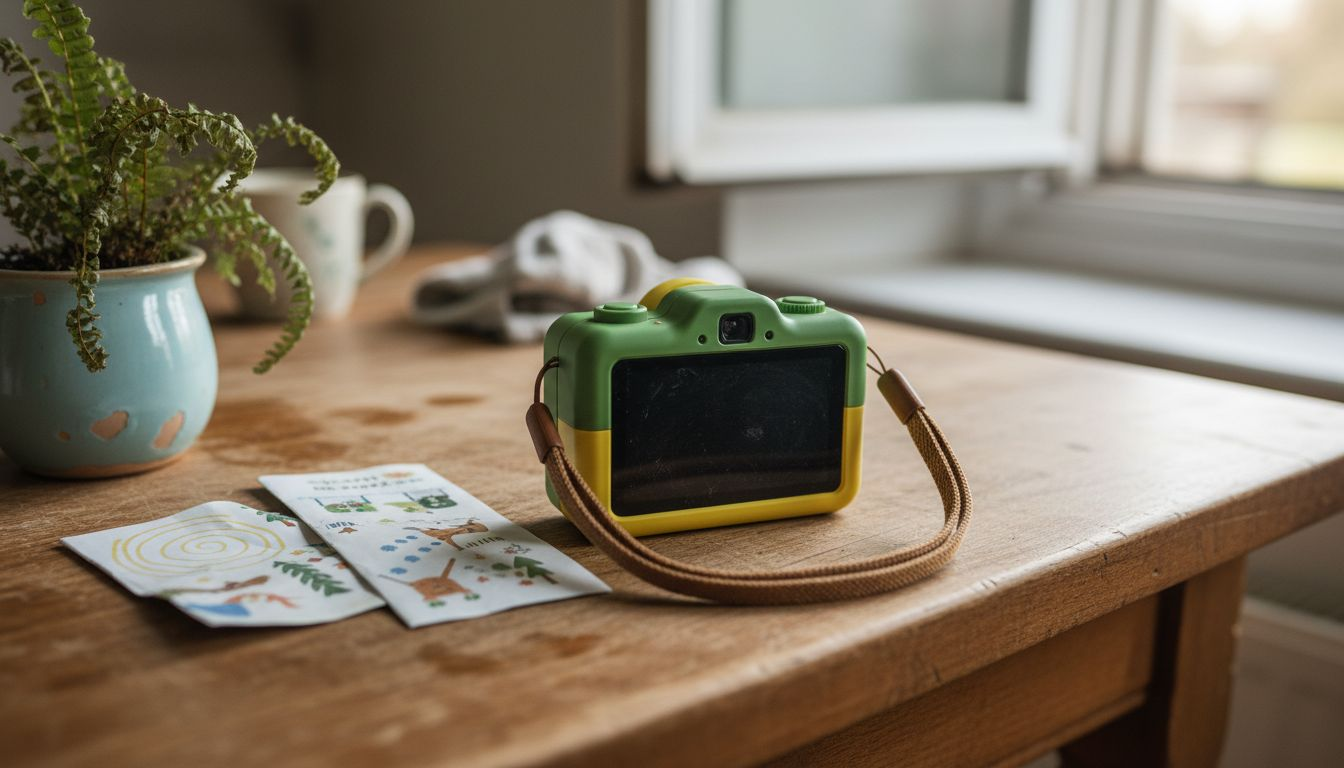
Pro tip: Select a digital toy camera that matches your child’s age and creative interests to maximise their engagement and learning potential.
Eco-friendly materials and planet-first designs
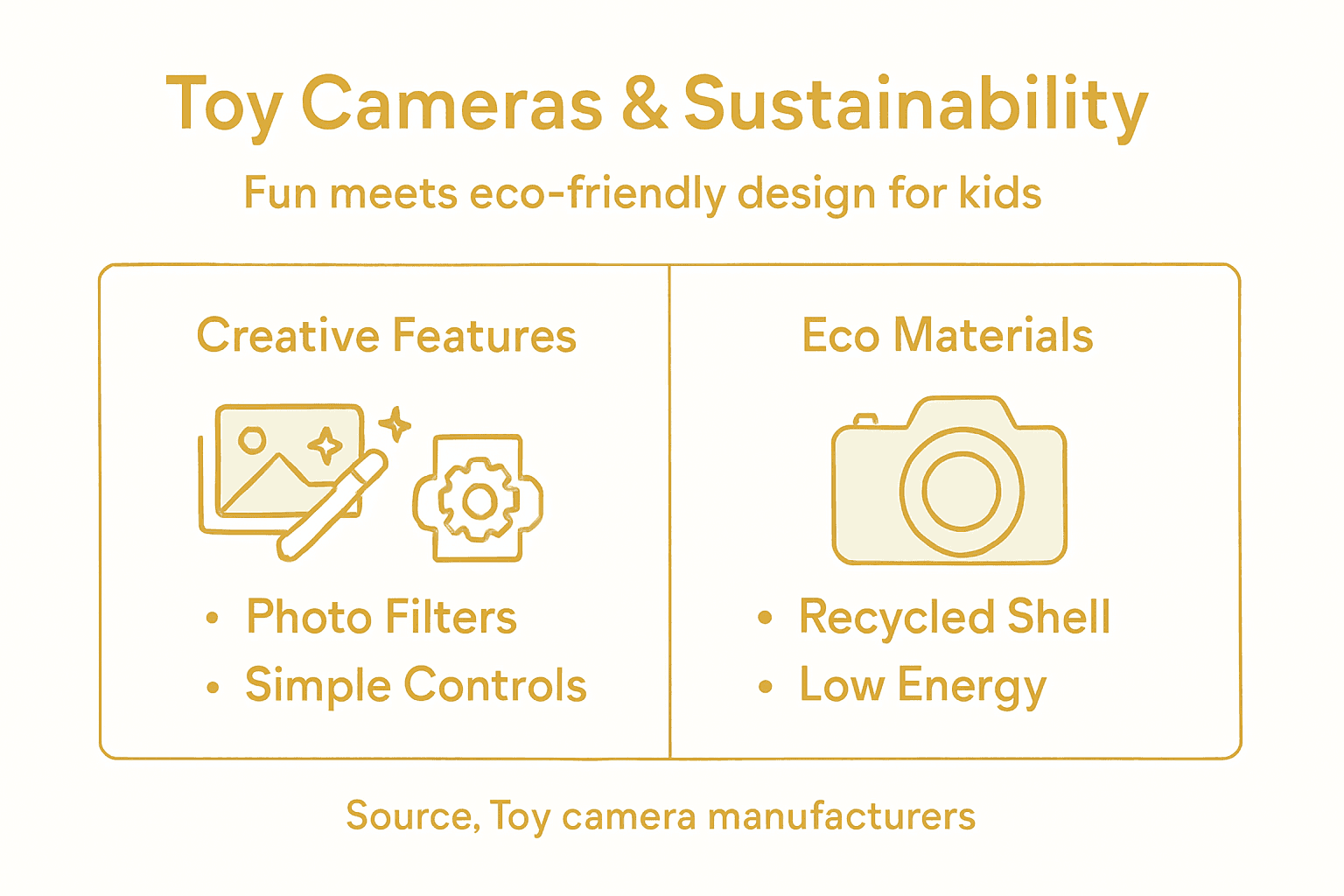
Sustainable toy design has emerged as a critical approach to reducing environmental impact, with manufacturers increasingly focusing on eco-conscious material selection that protects both children and the planet.
Key sustainable materials in modern toy camera production include:
- FSC-certified wood components
- Recycled ABS plastics
- Organic cotton fabric elements
- Natural rubber seals and grips
- Biodegradable packaging materials
These materials offer multiple environmental benefits:
To better understand sustainable practices, here’s a quick reference on eco-friendly materials and their benefits:
| Material | Environmental Benefit | Child Safety Advantage |
|---|---|---|
| FSC-certified wood | Supports responsible forestry | Free from harmful treatments |
| Recycled ABS plastic | Reduces landfill waste | Low toxicity and durable build |
| Organic cotton fabric | Biodegradable and renewable | Gentle against sensitive skin |
| Natural rubber | Renewable natural resource | Non-toxic and flexible |
- Reduced carbon footprint
- Lower waste generation
- Minimal toxic chemical usage
- Support for responsible forestry
- Renewable resource utilisation
Manufacturing processes now prioritise transparency and ecological responsibility. Companies are increasingly implementing:
- Comprehensive sustainability certifications
- Transparent supply chain reporting
- Rigorous environmental impact assessments
- Carbon offset programmes
- Circular design principles
Sustainable toy design represents more than material choice – it’s a commitment to future generations.
Manufacturers are recognising that eco-friendly design extends beyond material selection, encompassing entire product lifecycles from conception to eventual disposal. This holistic approach ensures that digital toy cameras become tools for environmental education as well as creative expression.
Pro tip: Look for toys with clear sustainability certifications and transparent manufacturing processes to make truly environmentally responsible purchasing decisions.
Safety standards, durability, and battery care
Digital toy cameras require comprehensive safety considerations, with manufacturers adhering to stringent European safety standards that protect children during play and exploration.
Key safety features in modern digital toy cameras include:
- Shockproof external design
- Waterproof construction
- Non-toxic material selection
- Secure battery compartments
- Rounded, child-friendly edges
Battery technology plays a crucial role in ensuring device safety and performance:
- Lithium-ion rechargeable batteries
- 4-8 hours of consistent usage
- Built-in overcharge protection
- Temperature-regulated charging systems
- Low-voltage electrical components
Durability standards focus on creating devices that withstand active children’s environments:
- Impact-resistant plastic casings
- Sealed electronic components
- Scratch-resistant lens covers
- Ergonomic grips for small hands
- Modular design for potential repairs
Child safety isn’t just about preventing immediate harm, but creating long-lasting, reliable devices.
Manufacturers increasingly recognise that safety extends beyond physical protection, incorporating electromagnetic compatibility and chemical safety testing to ensure comprehensive child protection. These rigorous standards help create digital toy cameras that are both engaging and inherently safe.
Pro tip: Regularly inspect your child’s digital toy camera for any signs of wear, damage, or battery degradation to maintain optimal safety.
Encouraging nature exploration and connection
Digital toy cameras have transformed into powerful tools for motivating children’s nature engagement, bridging technology and environmental discovery in innovative ways.
Key strategies for nature exploration using digital cameras include:
- Capturing wildlife observations
- Documenting seasonal changes
- Creating visual nature journals
- Recording plant and insect discoveries
- Tracking local ecosystem transformations
Ecological learning approaches with digital cameras involve:
- Guided photography challenges
- Nature scavenger hunt activities
- Comparative landscape documentation
- Micro-ecosystem exploration
- Environmental storytelling projects
Children develop critical observational skills through intentional technological interactions that encourage deeper environmental connections. By transforming passive observation into active documentation, digital toy cameras help youngsters develop genuine ecological curiosity.
Technology becomes a bridge between children and the natural world when used mindfully.
Modern digital cameras designed for children integrate educational elements that transform outdoor experiences into interactive learning opportunities. These devices support environmental awareness by making nature exploration engaging, accessible, and fun.
Pro tip: Encourage children to create weekly nature photo journals, documenting subtle changes in their local environment.
Inspire Your Child’s Eco-Friendly Creativity with The Zoofamily
The challenge of nurturing creativity while embracing sustainable values is at the heart of the digital toy camera experience. This article highlights key concerns such as encouraging imaginative play through imperfect photographic aesthetics, choosing eco-conscious materials, and building a deeper connection with nature. At The Zoofamily, we understand these aspirations. Our range of kids’ cameras is thoughtfully designed not only for durability and playful exploration but also incorporating eco-friendly materials to reduce environmental impact. Each camera features animal-inspired designs that spark curiosity about the natural world and promote ecological learning through creative play.
Discover how you can empower your child to explore their creativity while supporting a greener future. By choosing The Zoofamily, you are investing in toys that combine safety, sustainability and imagination. For every camera purchased, we plant a tree to help restore natural beauty for generations to come. Visit us today to find the perfect digital toy camera that matches your child’s age and creative potential. Start fostering joyful learning and ecological awareness now by exploring our collection and joining a community committed to inspiring young minds with nature at heart.
Frequently Asked Questions
What are digital toy cameras?
Digital toy cameras are playful photographic devices designed to inspire creativity, particularly among children and photography enthusiasts. They focus on imaginative image-making rather than technical perfection.
What age groups are digital toy cameras designed for?
Digital toy cameras are tailored for different age groups: ages 3-7 for simple and durable cameras, ages 8-12 for intermediate creative cameras with more features, and ages 13+ for advanced cameras with professional-level capabilities.
How do digital toy cameras promote creativity in children?
Digital toy cameras encourage children to explore composition and perspective without the pressure of technical quality, allowing for playful experimentation and self-expression through photography.
What eco-friendly materials are used in digital toy cameras?
Modern digital toy cameras are made from sustainable materials such as FSC-certified wood, recycled ABS plastics, organic cotton, and biodegradable packaging, which contribute to reduced environmental impact and child safety.
Recommended
- Meilleurs gadgets plein air enfants – Comparatif 2025 – The Zoofamily
- How to Create a Fairy with Kids Using Natural Materials – The Zoofamily
- How to Create a Fairy with Kids Using Natural Materials – The Zoofamily
- Best eco-friendly kids cameras – Expert Comparison 2025 – The Zoofamily
- 7 Creative Upcycling Ideas for Special Occasion Dresses - DressMeUpNY
- What Is Web Eco-Design and Why It Matters for Your Website - Najumi
- Collaborative Urban Planning: Advancing Sustainable Cities – 3D Urban Design