

Over 60 percent of British parents say creative activities boost their children’s self-esteem. Photography goes far beyond snapping pictures. It can help children develop confidence, personal agency, and even resilience. This article explores how giving kids a camera turns them into storytellers, helping them express emotions and shape positive self-images in ways that traditional methods sometimes overlook.
Table of Contents
- Defining Photography For Self‑Esteem
- How Portraits Boost Children’s Self‑Regard
- Creativity And Mindfulness In Photo‑Making
- Role Of Family Bonding And Visual Identity
- Common Challenges And How To Overcome Them
Key Takeaways
| Point | Details |
|---|---|
| Empowerment Through Creativity | Engaging children in photography fosters self-esteem as they take charge of expressing their unique perspectives. |
| Visual Storytelling Enhances Self-Understanding | Photography enables children to narrate their experiences, helping them grasp their emotions and identities. |
| Mindfulness Through Photo-Making | The act of photographing encourages children to be present and appreciative of their surroundings, enriching their emotional intelligence. |
| Collaboration and Family Bonding | Collaborative photography sessions create deeper connections within families, enhancing children’s sense of belonging and self-worth. |
Defining Photography for Self‑Esteem
Photography isn’t just about capturing moments. It’s a powerful medium that can profoundly impact a child’s psychological development, particularly their sense of self-worth and confidence. When children engage with photography, they transform from passive observers into active creators, learning to see themselves and their world through a unique lens.
At its core, photography for self-esteem involves providing children with opportunities to express themselves creatively, document their experiences, and gain a sense of personal agency. By selecting subjects, composing shots, and deciding what story they want to tell, children develop critical skills in decision-making and self-representation. Photography scavenger hunts can be an excellent way to encourage this exploratory learning, helping children view their environment with curiosity and imagination.
The psychological benefits extend far beyond simple picture-taking. When children photograph their surroundings, interests, and personal experiences, they begin constructing a narrative about themselves. This process of visual storytelling helps them understand their own perspectives, emotions, and unique way of perceiving the world. It validates their experiences and gives them a tangible method of self-expression that doesn’t rely solely on verbal communication.
Moreover, photography can be particularly empowering for children who might struggle with traditional forms of communication or self-expression. By providing a non-verbal medium for sharing their inner world, photography becomes a therapeutic tool that boosts confidence and helps children feel heard and understood.
Here is a summary of how different aspects of photography contribute to children’s self-esteem:
| Aspect of Photography | Key Skills Developed | Psychological Benefit |
|---|---|---|
| Creative Expression | Decision-making | Builds self-worth and confidence |
| Portrait Making | Self-representation | Fosters positive self-image |
| Mindful Photo-taking | Observation, patience | Enhances emotional regulation |
| Family Photo Sessions | Collaboration, sharing | Strengthens sense of belonging |
| Overcoming Technical Barriers | Resilience, adaptability | Encourages growth mindset and agency |
Pro tip - Photography Confidence Builder: Start by giving your child complete creative control during photo sessions, praising their unique perspective and artistic choices rather than focusing on technical perfection.
How Portraits Boost Children’s Self‑Regard
Portraits are far more than mere photographs; they are powerful visual narratives that capture a child’s emerging sense of identity and personal worth. When children see themselves represented positively through photography, they begin to internalise a confident and affirming self-image. This process of visual self-discovery can be transformative, especially during crucial developmental stages where self-perception is rapidly forming.
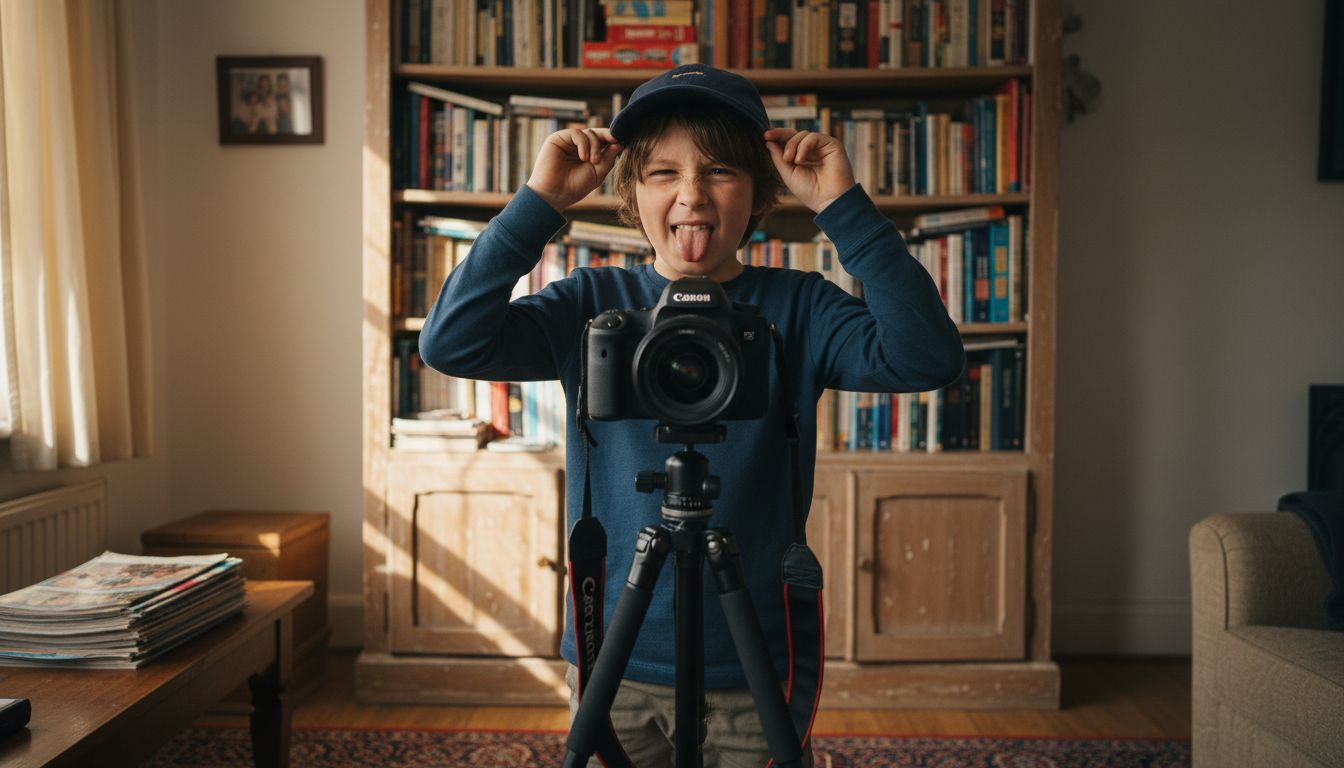
The act of creating self-portraits offers children a unique opportunity for self-exploration and emotional expression. By controlling how they are seen, children develop agency and learn to appreciate their individual characteristics. Imaginative play intersects beautifully with portrait photography, allowing children to experiment with different personas and perspectives while building emotional resilience.
Psychologically, portraits serve multiple functions beyond aesthetic representation. They validate a child’s existence, providing tangible evidence of their importance and uniqueness. When children participate actively in portrait sessions - choosing backgrounds, poses, or expressing their mood - they engage in a profound act of self-affirmation. These images become personal artifacts that reflect their growth, capturing moments of vulnerability, strength, and evolving self-understanding.
Moreover, portraits can be particularly healing for children who might struggle with self-image or confidence. By presenting themselves in a controlled, positive context, they learn to see themselves through a compassionate lens. Professional photographers and parents can support this process by creating supportive, playful environments that encourage children to express themselves authentically.
The table below compares traditional communication and photography as tools for children’s emotional development:
| Approach | Expression Style | Accessibility for Children | Emotional Impact |
|---|---|---|---|
| Verbal Communication | Spoken or written | Challenging for some | May be limiting |
| Photography | Visual storytelling | Inclusive and adaptable | Empowers and validates |
Pro tip - Portrait Confidence Builder: Involve your child in the entire portrait process, from outfit selection to pose choices, ensuring they feel completely comfortable and in control of their visual narrative.
Creativity and Mindfulness in Photo‑Making
Photography offers children a unique pathway to mindful creativity, transforming the simple act of taking pictures into a profound emotional and cognitive experience. By engaging with their environment through a camera lens, children learn to observe the world more intentionally, developing a deeper sense of presence and awareness that extends far beyond traditional artistic expression.
The process of photo-making becomes a meditative practice that encourages children to slow down, focus, and truly connect with their surroundings. Engaging learning activities can help children understand that photography is not just about capturing images, but about experiencing moments with heightened sensory awareness. Each photograph becomes a reflection of their inner emotional landscape, capturing not just visual details but the subtle nuances of their perception.
Mindful photography teaches children critical skills of observation and emotional intelligence. When children are encouraged to photograph what genuinely moves them - be it a delicate flower, a moment of family connection, or an interesting shadow - they learn to recognise and appreciate the beauty in subtle, often overlooked details. This practice cultivates a sense of gratitude, patience, and deep engagement with their environment, skills that are increasingly important in our fast-paced, distraction-filled world.
Moreover, the creative process of photo-making helps children develop emotional regulation and self-expression skills. By selecting subjects, composing shots, and deciding which moments are meaningful enough to capture, children exercise decision-making abilities and learn to trust their intuitive artistic choices. This empowerment through creative expression can significantly boost their confidence and sense of personal agency.
Pro tip - Mindful Photography Guide: Encourage your child to take photographs that represent different emotions, helping them explore and articulate their inner feelings through visual storytelling.
Role of Family Bonding and Visual Identity
Photography serves as a powerful medium for creating and preserving family narratives, weaving together the intricate threads of shared experiences and emotional connections. When families engage in collaborative photo-making, they transform mere documentation into a rich, interactive process of mutual understanding and appreciation.
Research on young children’s relationships reveals that visual representations are far more than simple images - they are complex emotional landscapes that help children understand their place within family dynamics. By involving children in photography, parents create opportunities for deep, meaningful interactions that go beyond traditional communication methods.
The process of creating family photographs becomes a collaborative storytelling experience. Family photographs play a crucial role in shaping a child’s identity, providing tangible evidence of their personal history and emotional connections. When children participate in capturing family moments, they develop a sense of belonging and self-worth, understanding their unique position within the broader family context.

Moreover, photography can bridge generational gaps, allowing children to explore family history through visual narratives. By sharing and discussing photographs together, families create opportunities for storytelling, remembrance, and emotional connection. This practice helps children develop a strong sense of identity, rooted in understanding their familial heritage and personal journey.
Pro tip - Family Photo Connection: Create regular family photo sessions where every member contributes ideas, allowing each individual to feel valued and heard in the visual storytelling process.
Common Challenges and How to Overcome Them
Engaging children in photography is not without its challenges. Parents and educators must navigate complex emotional and technical barriers that can potentially discourage a child’s creative exploration. Technological intimidation and fear of imperfection often emerge as primary obstacles in a child’s photographic journey.
Photography training programmes can address unique challenges particularly for children with physical limitations, demonstrating that tailored educational approaches can transform potential barriers into opportunities for growth. Each child’s learning curve is distinctive, requiring patience, understanding, and adaptive strategies that celebrate individual differences and strengths.
Technical skills can be overwhelming, but learning from mistakes becomes a crucial aspect of creative development. Children often become discouraged by complex camera settings or perceived imperfections in their images. The key is to reframe these moments as valuable learning experiences, emphasising that every photograph - regardless of technical precision - tells a unique story and reflects personal perspective.
Parents can support their children by creating a nurturing environment that prioritises exploration over perfection. This involves providing age-appropriate equipment, offering gentle guidance without criticism, and celebrating each child’s distinctive way of seeing the world. Encouraging experimentation, discussing photographic choices, and showing genuine interest in their creative process can transform potential frustrations into moments of joyful discovery.
Pro tip - Challenge Breakthrough: Create a ‘no judgment’ photography zone where children feel safe to experiment, make mistakes, and develop confidence through playful exploration.
Empower Your Child’s Confidence Through Creative Photography
Photography unlocks a world where children become active creators of their own stories, boosting their self-esteem and emotional intelligence. If your child faces challenges with self-expression or technical fears, encouraging mindful photo-making can transform these barriers into joyful exploration and personal growth. By engaging in visual storytelling, children learn decision-making, patience, and a resilient growth mindset, all essential to nurturing a strong self-regard.
Discover how The Zoofamily supports these transformative experiences by offering specially designed kids’ cameras that spark creativity and connection with nature. Each camera helps your child see the world differently while contributing to global reforestation efforts. Explore our range and join us in empowering young imaginations today. Visit The Zoofamily and start your child’s journey toward confidence and creativity now.
Frequently Asked Questions
How can photography improve my child’s self-esteem?
Photography empowers children by providing them with opportunities for creative expression, self-representation, and decision-making, which are crucial for building confidence and a positive self-image.
What skills do children develop through photography?
Children develop various skills through photography, including creativity, observation, emotional intelligence, and resilience as they learn to make decisions about subject matter and composition.
How do portraits contribute to a child’s sense of identity?
Portraits help children see themselves in a positive light, fostering a healthy self-image. By controlling their representation, children gain agency and appreciation for their unique characteristics.
What are some common challenges parents face when encouraging their children in photography?
Common challenges include technological intimidation, fear of imperfection, and potential discouragement from complex camera settings. Creating a supportive environment can help children overcome these barriers.