

Many parents worry that camping with children means chaos, sleepless nights, and endless stress. Yet camping can be stress-free with the right plan and family-friendly amenities. The truth is, a well-prepared family camping trip creates some of the most treasured memories your children will carry into adulthood. This guide walks you through choosing the perfect campsite, packing smartly, keeping children engaged with nature, and staying safe outdoors. Whether you’re planning your first family camping adventure or refining your approach, you’ll find practical strategies that transform outdoor holidays from daunting to delightful.
Table of Contents
- Why family camping? Benefits for you and your children
- Choosing the right family-friendly campsite in Europe
- Packing smart: Essential equipment and what to leave behind
- Engaging children with nature: Fun activities and learning
- Staying safe and comfortable outdoors
- Discover more family camping inspiration with The Zoofamily
- Frequently asked questions
Key Takeaways
| Point | Details |
|---|---|
| Plan for comfort | Pick campsites with family-focused amenities and suitable weather for worry-free stays. |
| Pack only essentials | Focus on weather-appropriate clothes and core gear, leaving extras behind for simpler trips. |
| Involve your children | Give responsibilities and make children part of planning and daily routines. |
| Prioritise safety | Check campsite boundaries, weather conditions, and establish family rules from the start. |
Why family camping? Benefits for you and your children
Camping offers something rare in our busy lives: uninterrupted time together. Without the distractions of screens, work emails, or household chores, families reconnect in meaningful ways. You’ll share meals cooked over a camp stove, explore woodland trails together, and watch your children’s faces light up at their first glimpse of stars undimmed by city lights.
Beyond bonding, involving children in camping fosters responsibility and new skills. Children learn to pitch tents, identify plants, build campfires safely, and navigate simple outdoor challenges. These experiences build confidence and self-reliance that classroom learning rarely provides.
The financial benefits matter too. Camping holidays cost substantially less than hotels or resorts, yet deliver richer experiences. Your family gains:
- Genuine disconnection from digital overload and urban stress
- Physical activity through hiking, swimming, and outdoor play
- Educational opportunities in natural science and environmental awareness
- Lifelong memories that strengthen family identity
“The best inheritance you can give your children isn’t money—it’s the memory of adventures shared and lessons learned together in nature.”
Establishing outdoor family rituals during camping trips creates traditions your children will want to continue with their own families. These shared experiences become the stories you’ll retell for years. For more inspiration on making the most of your time outdoors, explore these family outdoor adventure ideas.
Choosing the right family-friendly campsite in Europe
Your campsite choice determines whether your trip feels relaxing or stressful. Prioritise campsites with playgrounds, pools, shops, clean facilities, and safe boundaries when travelling with children. Southern Europe offers better weather reliability, making France, Spain, and Italy excellent starting points for family camping.
Essential amenities for family comfort:
- Clean toilet and shower blocks with family facilities
- On-site shop for forgotten essentials
- Playground or designated children’s area
- Swimming pool or safe water access
- Clear site boundaries and security
- Electrical hookups for charging devices
- Proximity to medical services
Pro Tip: Book campsites near small towns rather than remote wilderness locations for your first trips. This gives you backup options for supplies, entertainment on rainy days, and peace of mind about emergency access.
| Region | Best months | Family advantages | Booking platform |
|---|---|---|---|
| Southern France | May-September | Warm weather, beaches, cultural sites | Eurocamp, Pitchup |
| Costa Brava, Spain | June-September | Excellent facilities, child programmes | Pitchup, Canvas Holidays |
| Tuscany, Italy | May-October | Mild climate, historical attractions | Eurocamp, Cool Camping |
| Lake District, UK | June-August | Stunning scenery, shorter travel | National Trust, Pitchup |
Use booking platforms like Pitchup or Eurocamp to filter for child-friendly features. Read recent reviews from other families, paying attention to comments about noise levels, facility cleanliness, and staff helpfulness. Many photography-friendly campsites also offer excellent family amenities, combining natural beauty with practical comfort.
If you’re travelling with pets, confirm pet policies before booking. Some sites restrict certain breeds or limit pets to specific areas. For comprehensive guidance on selecting your first site, review these practical family camping tips.
Packing smart: Essential equipment and what to leave behind
Overpacking ranks among the most common family camping mistakes. You don’t need everything from home. Focus on essentials that ensure comfort, safety, and flexibility.
Critical gear for family camping:
- Weatherproof tent sized for your family plus gear storage
- Sleeping systems including insulated mats and appropriate sleeping bags
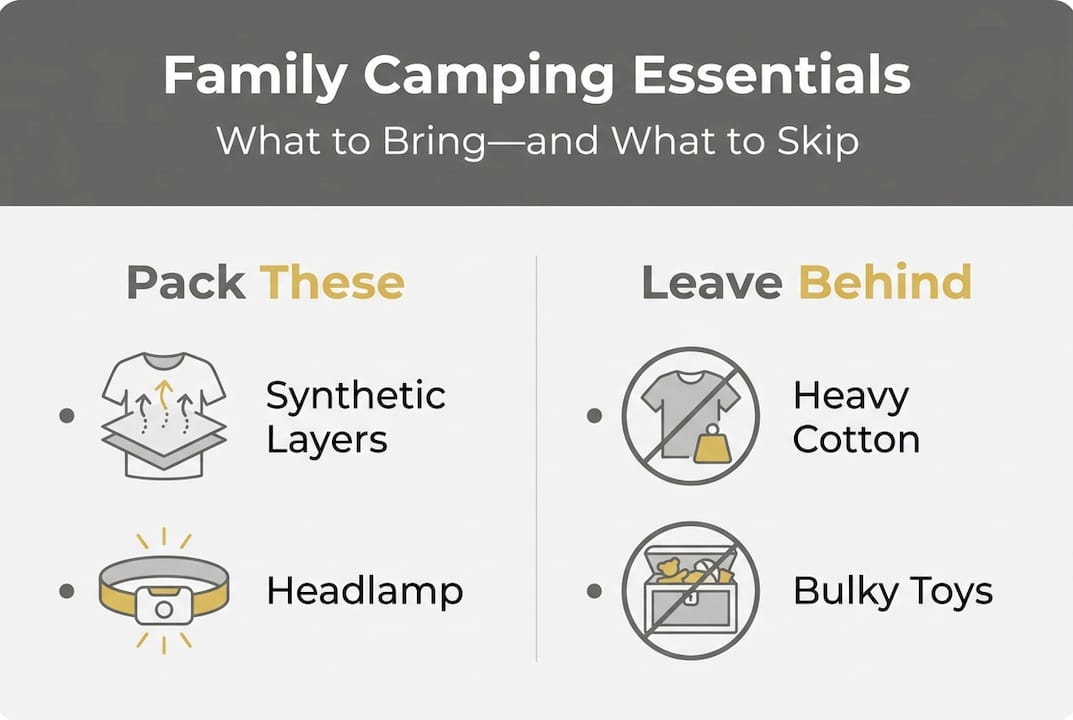
- Synthetic clothing layers for moisture management
- Camp kitchen basics including stove, fuel, cookware, and utensils
- Lighting with headtorches for each family member
- First aid kit with children’s medications and sun protection
- Water containers and purification method
- Entertainment including books, cards, and nature guides
Pro Tip: Create a family packing checklist and involve children in gathering their items. This teaches responsibility and ensures they understand what they’re bringing and why.
Synthetics are superior to cotton for moisture management. Cotton holds water and takes ages to dry, leaving children cold and uncomfortable. Choose polyester or merino wool base layers instead. Car-based camping lets you bring more comforts, but avoid overpacking bulky items you won’t actually use.
| Item category | Bring | Leave behind |
|---|---|---|
| Clothing | Synthetic layers, waterproofs, spare socks | Cotton t-shirts, jeans, excessive outfit changes |
| Sleeping | Quality sleeping bags, insulated mats | Pillows from home, heavy blankets |
| Kitchen | Compact stove, nesting cookware, reusable plates | Full spice rack, multiple pans, glass containers |
| Entertainment | Card games, nature guides, simple toys | Electronic games, bulky sports equipment |
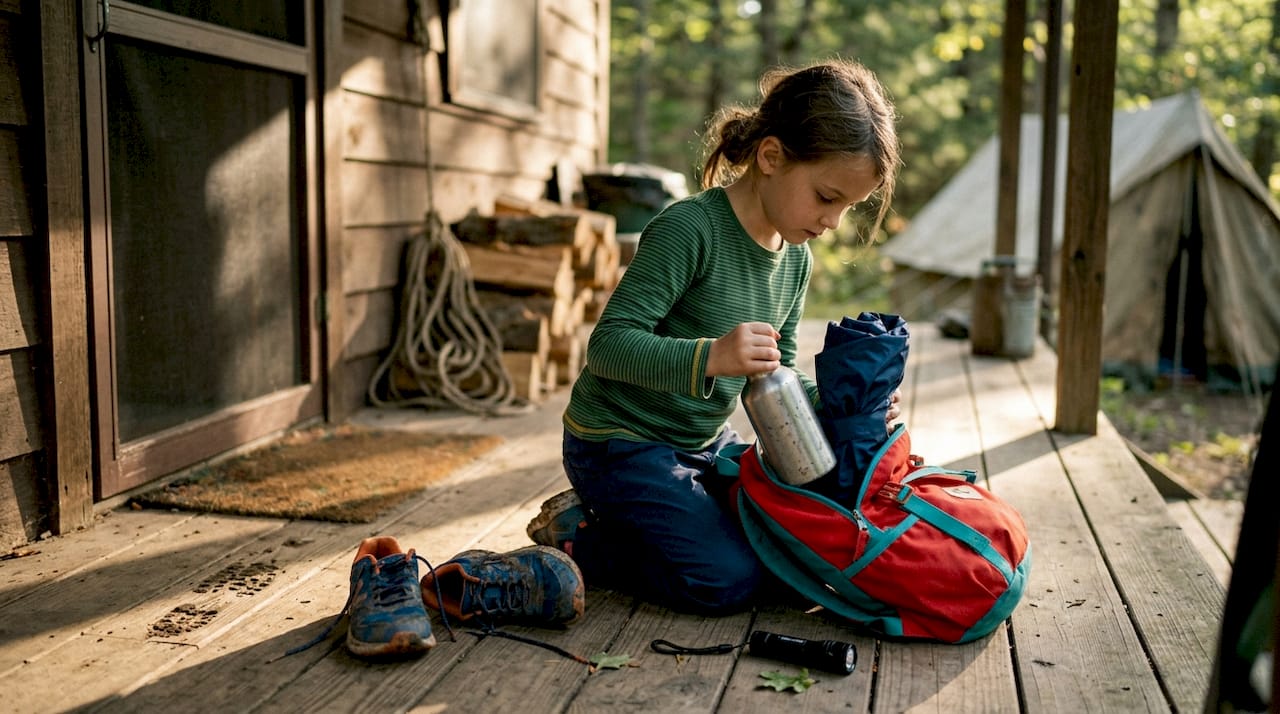
Divide packing responsibilities by giving each child their own small rucksack for personal items. This distributes weight and creates ownership over their belongings. For a complete list of must-have family camping items, including age-specific recommendations, explore our detailed packing guides. If this is your first time camping with children, start with a shorter trip to test your gear and routines.
Engaging children with nature: Fun activities and learning
Keeping children entertained outdoors requires less effort than you might think. Nature itself provides endless fascination when you help children notice and interact with their environment.
Age-appropriate outdoor activities:
- Toddlers (2-4 years): Nature treasure hunts, mud kitchen play, simple bug watching
- Young children (5-8 years): Wildlife spotting with binoculars, leaf identification, campfire storytelling
- Older children (9-12 years): Navigation with maps, nature photography, star identification
- Teenagers: Longer hikes, campfire cooking, wildlife tracking
Giving children responsibilities during the trip enhances engagement and creates a sense of ownership. Assign age-appropriate camp chores like fetching water, helping with meals, or maintaining the tent area. These tasks teach practical skills whilst making children feel valued as contributing family members.
Simple nature projects:
- Create bark rubbings to identify different tree species
- Build miniature shelters for toy animals using natural materials
- Start a nature journal with drawings and pressed flowers
- Conduct simple experiments like testing which materials float
- Photograph wildlife and create a trip scrapbook
Pro Tip: Establish a daily routine that balances activity with rest. Morning nature walks, afternoon quiet time, and evening campfire gatherings create predictable rhythms that help children feel secure and prevent overtiredness.
For structured educational camping activities that combine learning with fun, consider bringing simple field guides or nature bingo cards. These tools transform casual observations into engaging discoveries. Explore more outdoor adventure ideas for families to keep every day fresh and exciting.
Staying safe and comfortable outdoors
Safety concerns often stop families from camping, yet most risks are easily managed with basic precautions and awareness. Choosing fair-weather periods and campsites with clear boundaries makes camping safer and more enjoyable for families.
Weather planning essentials:
- Check detailed forecasts before departure and daily during your trip
- Pack for temperature ranges 10 degrees above and below predictions
- Bring waterproofs even during summer months
- Know how to recognise and respond to hypothermia symptoms
- Have a backup plan for severe weather, including nearby indoor options
Campsite safety rules for families:
- Establish clear boundaries children must stay within
- Create a meeting point if anyone gets separated
- Teach children to identify your tent from a distance
- Keep torches accessible for nighttime toilet trips
- Store food securely to avoid attracting wildlife
- Supervise children near water, fire, and cooking areas
- Keep a charged mobile phone for emergencies
“The safest camping trips aren’t those without risks—they’re those where families understand the risks and prepare accordingly.”
Health and hygiene matter more outdoors than at home. Bring hand sanitiser and use it religiously before meals. Pack a comprehensive first aid kit including children’s paracetamol, antihistamines, plasters, and any prescription medications. Know the location of the nearest medical facility.
When camping with both pets and children, establish separate sleeping areas and supervise interactions around food and water bowls. Many pets become protective of their space in unfamiliar environments. For detailed guidance on planning safe outdoor excursions, review these family hiking planning tips. Additional tips for safe nature holidays cover everything from insect protection to sun safety.
Discover more family camping inspiration with The Zoofamily
Your family camping journey doesn’t end with one trip. Each adventure builds skills, confidence, and treasured memories that draw you back to nature again and again. At The Zoofamily, we’re passionate about helping families create meaningful connections with each other and our planet through outdoor experiences.
Our community shares ongoing inspiration, practical advice, and real stories from families exploring nature across Europe. Whether you’re planning your next camping adventure or looking for creative ways to engage children with wildlife, you’ll find resources designed specifically for active families like yours. Visit The Zoofamily community to explore our full range of guides, tips, and nature-focused family activities. For immediate help planning your next trip, our collection of practical camping advice covers everything from gear selection to activity ideas.
We’d love to hear about your family camping experiences. Share your stories, ask questions, and connect with other families who understand that the best childhood memories are made outdoors, under open skies, with the people who matter most.
Frequently asked questions
What age is suitable for a child’s first camping trip?
Children can start camping from toddler age, but simplicity and proximity to amenities make early trips smoother. Campsites with child-friendly facilities ease first adventures for young families.
How can I keep my children entertained during camping?
Mix age-appropriate outdoor games, simple nature projects, and involve children in camp routines to maintain engagement. Outdoor games and child involvement prevent boredom whilst building responsibility.
What essentials should I pack for a family camping holiday?
Bring a weatherproof tent, synthetic clothing, comfortable sleeping systems, camp kitchen basics, and simple medical supplies. Synthetics for moisture management, not cotton, ensure comfort without overpacking.
How do I find child-safe campsites in Europe?
Use websites like Pitchup or Eurocamp, filtering for child-friendly amenities, secure boundaries, and positive reviews. Pitchup and Eurocamp allow filtering for kid-safe sites with essential facilities.
What are the best tips for camping with pets and children?
Choose pet-friendly sites, establish routines, and supervise both pets and children around water and cooking areas. Many family-friendly European campsites offer pet-friendly features and safe boundaries.