

Cultural diversity shapes our world in ways that go beyond colourful festivals and different foods. More than 70 percent of families across the globe now identify with more than one cultural background. Surprising as it sounds, these differences do not just add variety to our lives. They build stronger families, spark creativity, and help children develop advanced problem-solving skills. Diversity is not just about what sets us apart, but the hidden strength that brings us together in unexpected ways.
Table of Contents
- What Is Cultural Diversity And Its Significance?
- Why Celebrating Cultural Diversity Matters For Children
- How Cultural Diversity Enriches Family Life
- Understanding Cultural Traditions And Their Impact
- Fostering Inclusivity Through Celebrating Diversity
Quick Summary
| Takeaway | Explanation |
|---|---|
| Cultural diversity enriches human experiences | Embracing various cultures enhances mutual understanding and appreciation among individuals. |
| Teach children to appreciate diverse cultures | Nurturing curiosity and empathy helps children thrive in interconnected environments. |
| Active inclusivity strengthens communities | Encouraging diverse narratives fosters social cohesion and reduces prejudice. |
| Cultural traditions transmit vital knowledge | Engaging with cultural practices fosters continuity and connections across generations. |
| Celebrate cultural differences in families | Integrating diverse traditions enhances emotional bonds and communication within family units. |
What is Cultural Diversity and Its Significance?
Cultural diversity represents the rich tapestry of human experiences, traditions, beliefs, and practices that exist across different groups and societies. At its core, cultural diversity celebrates the unique ways individuals and communities express their identity, heritage, and worldview.
Understanding Cultural Diversity
Cultural diversity goes beyond simple demographic differences. It encompasses the complex interactions between languages, customs, religions, social structures, and artistic expressions that make each community distinct. When we talk about celebrating cultural diversity, we recognize that every culture contributes valuable perspectives and knowledge to our global understanding.
According to UNESCO, cultural diversity is “as necessary for humankind as biodiversity is for nature”. This powerful analogy highlights how diversity enriches human experience and promotes mutual understanding.
Why Cultural Diversity Matters in Families
For families, embracing cultural diversity means creating an environment of respect, learning, and openness. It involves:
- Acknowledging and valuing different cultural backgrounds
- Teaching children to appreciate multiple perspectives
- Encouraging curiosity about other traditions and ways of life
By promoting cultural diversity within family units, parents can help children develop empathy, global awareness, and a more nuanced understanding of human connections. These skills are increasingly important in our interconnected world, where understanding and respecting differences can lead to more harmonious social interactions.
Ultimately, cultural diversity is not just about recognizing differences but about building bridges of understanding that connect us across seemingly disparate experiences and backgrounds.
Why Celebrating Cultural Diversity Matters for Children
In an increasingly interconnected world, teaching children about cultural diversity is more crucial than ever. By nurturing an understanding and appreciation of different cultural backgrounds, parents can help children develop essential life skills that will serve them throughout their personal and professional journeys.
Cognitive and Emotional Development
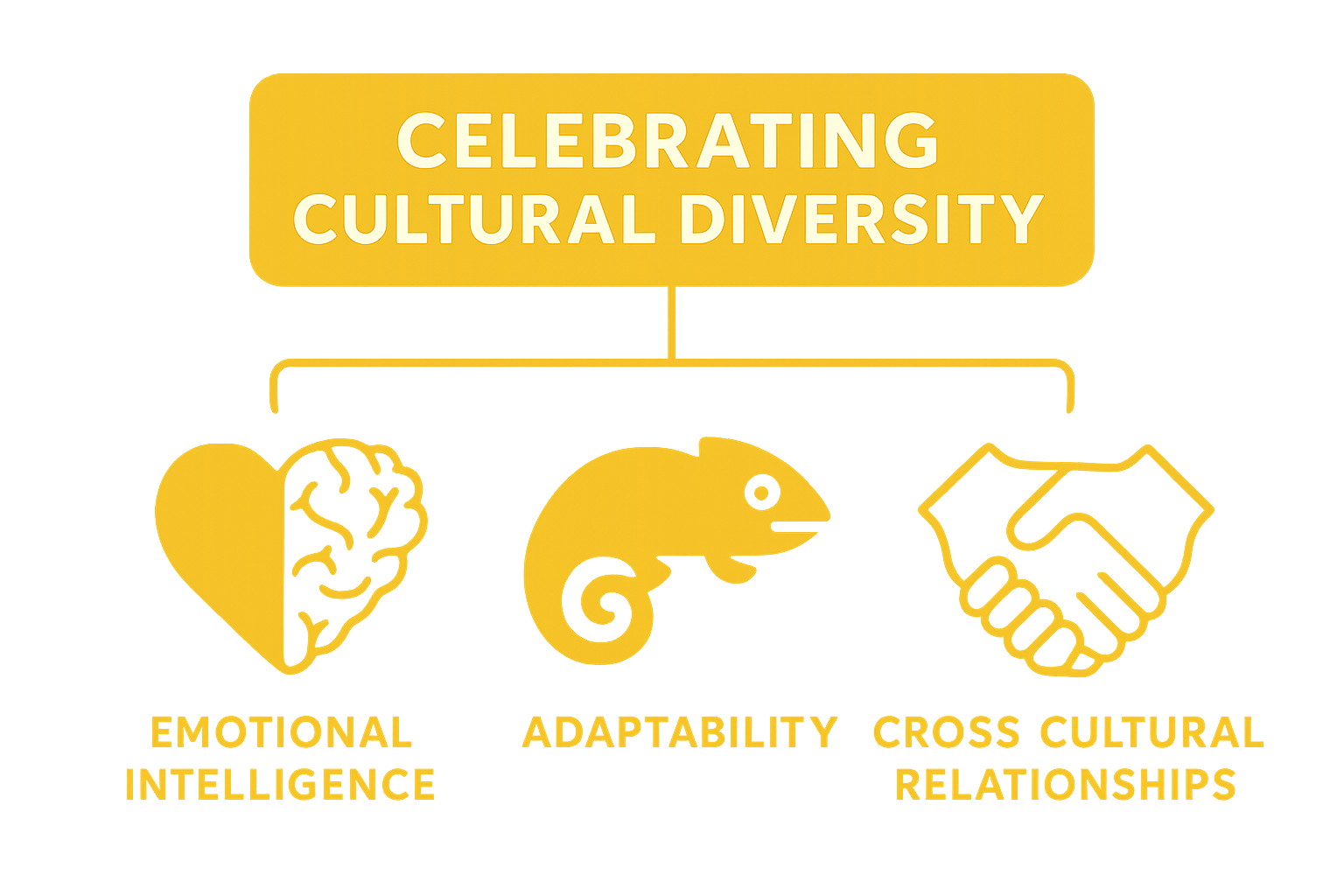
Children who are exposed to diverse cultural experiences develop more complex cognitive abilities and emotional intelligence. They learn to think critically, challenge stereotypes, and approach differences with curiosity rather than fear. Research from the American Psychological Association demonstrates that children who understand cultural diversity are more likely to develop empathy, adaptability, and advanced problem-solving skills.
Building Global Citizenship
Celebrating cultural diversity prepares children to become responsible global citizens. This process involves:
- Recognizing and respecting different cultural practices
- Understanding the value of multiple perspectives
- Developing communication skills across cultural boundaries
By exploring engaging learning activities that introduce cultural concepts, parents can make diversity education both fun and meaningful for children.
Long-Term Social Benefits
The benefits of cultural diversity education extend far beyond childhood. Children who grow up with a strong understanding of different cultures are more likely to:
- Succeed in multicultural professional environments
- Build meaningful relationships across cultural lines
- Contribute positively to a global, interconnected society
Ultimately, celebrating cultural diversity is about preparing children to thrive in a complex, multifaceted world where understanding and respect are key to personal and collective success.
Below is a comparative table outlining the effects of cultural diversity on children, families, and society, as detailed throughout the article.
| Aspect | Children | Families | Society |
|---|---|---|---|
| Cognitive Development | Enhances problem-solving and adaptability | Fosters collective learning | Builds skilled, adaptable citizens |
| Emotional Intelligence | Develops empathy and emotional awareness | Strengthens emotional bonds | Increases empathy and social cohesion |
| Communication Skills | Improves cross-cultural communication | Enhances family dialogue | Encourages intercultural understanding |
| Social Benefits | Builds global citizens, reduces prejudice | Creates resilient, supportive units | Reduces discrimination, fosters inclusivity |
| Long-Term Advantages | Prepares for multicultural workplaces | Encourages adaptability and respect | Drives innovation and social harmony |
How Cultural Diversity Enriches Family Life
Cultural diversity transforms family dynamics from simple coexistence into a vibrant, dynamic experience of mutual learning and growth. By embracing different cultural traditions, families create a unique environment that nurtures understanding, respect, and deep emotional connections.
Creating a Multicultural Family Identity
Multicultural families develop a distinctive family narrative that transcends traditional boundaries. This approach involves integrating various cultural practices, languages, and traditions into everyday family life. Research from the National Institutes of Health demonstrates that families who actively celebrate their diverse backgrounds experience stronger emotional bonds and enhanced communication skills.
Practical Ways to Embrace Cultural Diversity
Families can enrich their cultural experiences through intentional practices such as:
- Celebrating festivals and traditions from different cultural backgrounds
- Learning and speaking multiple languages at home
- Preparing and sharing traditional meals from various cultures
- Exploring art, music, and stories from different cultural contexts
These activities not only educate family members but also create memorable shared experiences that strengthen familial connections.

Long-Term Family Benefits
Embracing cultural diversity offers profound long-term advantages for families:
- Enhanced emotional intelligence
- Greater adaptability to different social environments
- Deeper understanding and respect for human differences
- Improved communication and conflict resolution skills
Ultimately, cultural diversity transforms families into microcosms of global understanding, where differences are celebrated as sources of strength and enrichment rather than barriers.
Understanding Cultural Traditions and Their Impact
Cultural traditions are living, dynamic expressions of a community’s collective memory, values, and identity. Far from being static relics of the past, these traditions serve as powerful mechanisms for transmitting knowledge, building social connections, and maintaining cultural continuity across generations.
The Significance of Cultural Traditions
Cultural traditions represent more than mere ceremonial practices. They are complex systems of meaning that help individuals understand their place in the world and connect with their ancestral heritage. Research from the Library of Congress reveals that cultural rituals play a crucial role in preserving cultural identity and providing a sense of belonging.
Dynamics of Cultural Tradition Transmission
Transmitting cultural traditions involves multiple interconnected processes:
- Storytelling and oral histories
- Participation in family and community ceremonies
- Learning traditional skills and crafts
- Observing and practicing cultural norms and values
These mechanisms ensure that cultural knowledge remains vibrant and relevant, adapting to contemporary contexts while maintaining core historical significance.
Evolving Cultural Practices
Cultural traditions are not frozen in time but continuously evolve. Families and communities negotiate between preserving traditional practices and adapting to changing social landscapes. This dynamic process allows cultures to remain:
- Resilient in the face of societal changes
- Responsive to new generational perspectives
- Open to cross-cultural interactions
- Capable of integrating innovative elements
Ultimately, understanding cultural traditions means recognizing them as living, breathing systems of collective memory and identity that connect us to our roots while simultaneously allowing space for growth and transformation.
The following table summarises the major methods families use to transmit and evolve cultural traditions, drawn from the article discussion.
| Method of Tradition Transmission | Description | Impact on Family and Culture |
|---|---|---|
| Storytelling and Oral Histories | Sharing family and cultural stories verbally across generations | Preserves identity and builds emotional connections |
| Participation in Ceremonies | Engaging in rituals and festivities as a family or community | Reinforces shared values and sense of belonging |
| Learning Skills and Crafts | Teaching traditional crafts, recipes or artistic practices | Maintains practical knowledge and cultural skills |
| Practising Cultural Norms | Observing customary ways of behaving and interacting | Instils respect for heritage and community standards |
| Adapting Traditions | Evolving and blending practices to suit contemporary contexts | Ensures relevance and resilience of traditions |
Fostering Inclusivity Through Celebrating Diversity
Inclusivity is more than a concept - it is an active practice of creating environments where every individual feels valued, respected, and empowered. By deliberately celebrating diversity, families and communities can build bridges of understanding that transcend cultural, social, and personal differences.
Creating Inclusive Environments
Building truly inclusive spaces requires intentional effort and a commitment to recognizing and dismantling systemic barriers. This involves developing a deep understanding of how different cultural backgrounds shape individual experiences and perspectives. Research from the International Organization for Migration highlights that inclusive environments are characterized by mutual respect, open dialogue, and a genuine appreciation for diverse viewpoints.
Practical Strategies for Inclusivity
Families and communities can foster inclusivity through deliberate and thoughtful approaches:
- Actively listening to experiences different from our own
- Challenging personal and inherited biases
- Creating platforms for diverse voices and narratives
- Developing cross-cultural communication skills
- Promoting representation across various domains
These strategies help transform abstract concepts of diversity into tangible, lived experiences that strengthen social connections.
Long-Term Impact of Inclusivity
Celebrating diversity and promoting inclusivity yields profound societal benefits:
- Enhanced social cohesion
- Increased innovation through diverse perspectives
- Reduced prejudice and discrimination
- Greater empathy and emotional intelligence
Ultimately, inclusivity is a continuous journey of learning, unlearning, and creating spaces where every individual can thrive authentically, regardless of their cultural, ethnic, or personal background.
Spark Meaningful Cultural Connections in Your Family
Are you looking for practical ways to nurture cultural diversity and global awareness at home? After exploring how celebrating unique backgrounds supports empathy and emotional intelligence in children, it is clear that the right learning tools make all the difference. At The Zoofamily, we believe every child deserves the chance to connect deeply with the world around them and with each other. Our thoughtfully designed kids’ cameras, walkie-talkies and binoculars do more than entertain. They become bridges to discovery, sparked by nature-inspired animal designs and meaningful family experiences that help embed cultural traditions, storytelling and curiosity right into your daily lives.
Ready to equip your child for a lifelong journey of exploration and respect for our planet’s diversity? Every camera sold means one tree planted, so your purchase offers a lasting benefit to communities and the environment. See the full range and start a new family tradition now at The Zoofamily. For even more ideas on creative, multicultural learning, visit making learning fun with engaging activities for kids and shape a home where inclusivity comes naturally. Join us in restoring natural beauty and inspiring compassionate young explorers today.
Frequently Asked Questions
What is the importance of celebrating cultural diversity in families?
Celebrating cultural diversity in families fosters respect, understanding, and empathy among family members. It allows children to appreciate different perspectives and traditions, which is essential in today’s interconnected world.
How can families actively embrace cultural diversity?
Families can embrace cultural diversity by celebrating various cultural festivals, learning about different traditions, preparing diverse meals, and engaging in arts and crafts from other cultures, creating enriching shared experiences.
How does cultural diversity contribute to a child’s development?
Exposure to cultural diversity enhances a child’s cognitive and emotional development. Children learn critical thinking, adaptability, and empathy, preparing them to thrive in a multicultural environment.
What are some long-term benefits of nurturing cultural diversity in family life?
Nurturing cultural diversity in families leads to improved emotional intelligence, better communication, and a more profound respect for differences. This foundation can help family members succeed in various social and professional contexts.
Recommended
- Understanding Eco Friendly Routines for Modern Families – The Zoofamily
- Making Learning Fun: Engaging Activities for Your Kids – The Zoofamily
- Making Learning Fun: Engaging Activities for Your Kids – The Zoofamily
- 7 Tips for Exciting Photography Scavenger Hunts – The Zoofamily