

Did you know that as many as 40 percent of people’s earliest childhood memories may be part fiction, shaped by stories and emotions rather than pure fact? Childhood memories are more than simple snapshots of youth—they play a powerful role in how we see ourselves and relate to the world. Understanding what actually builds these lasting memories can help families create moments that shape children in positive, meaningful ways for years to come.
Table of Contents
- Defining What Building Childhood Memories Means
- How Childhood Memories Are Formed
- Creative Ways To Build Lasting Memories
- Role Of Storytelling And Reflection
- Preserving Memories For The Future
Key Takeaways
| Point | Details |
|---|---|
| Complex Nature of Memories | Childhood memories are constructed narratives influenced by experiences and cultural factors, making them dynamic rather than static. |
| Active Memory Building | Intentional efforts to create shared experiences and emotional connections are essential for forming lasting childhood memories. |
| Power of Storytelling | Engaging in storytelling fosters reflective thinking and emotional understanding, enhancing children’s recall and interpretation of their experiences. |
| Strategic Memory Preservation | Utilizing techniques like journaling and photography helps maintain a rich narrative of childhood, ensuring meaningful memories endure over time. |
Defining What Building Childhood Memories Means
Childhood memories are far more complex and nuanced than simple snapshots of past experiences. According to psychological science, many of our earliest memories might actually be reconstructed narratives rather than pure factual records. These memories emerge as intricate tapestries woven from fragments of actual experiences, family stories, photographs, and personal interpretations.
Psychologist Qi Wang suggests that autobiographical memory is not just a personal record but a social-cultural construction. Our memories are deeply influenced by cultural elements like language, personal narratives, and collective storytelling. This means childhood memories are not static archives but dynamic, evolving representations of our experiences that shift and transform with time and perspective.
Building childhood memories is an active, intentional process that goes beyond passive documentation. It involves creating meaningful experiences, fostering emotional connections, and establishing contexts that will resonate with children long into their adulthood. Exploring imaginative play can be a powerful way to create rich, lasting memories that stimulate creativity and emotional development.
Key aspects of building childhood memories include:
- Creating shared experiences
- Encouraging storytelling and reflection
- Capturing moments through photography or journaling
- Engaging in collaborative activities
- Providing opportunities for exploration and discovery
Ultimately, childhood memories are not just about recording events, but about crafting narratives that shape a child’s understanding of themselves and their world. They are living, breathing connections between past experiences and future interpretations.
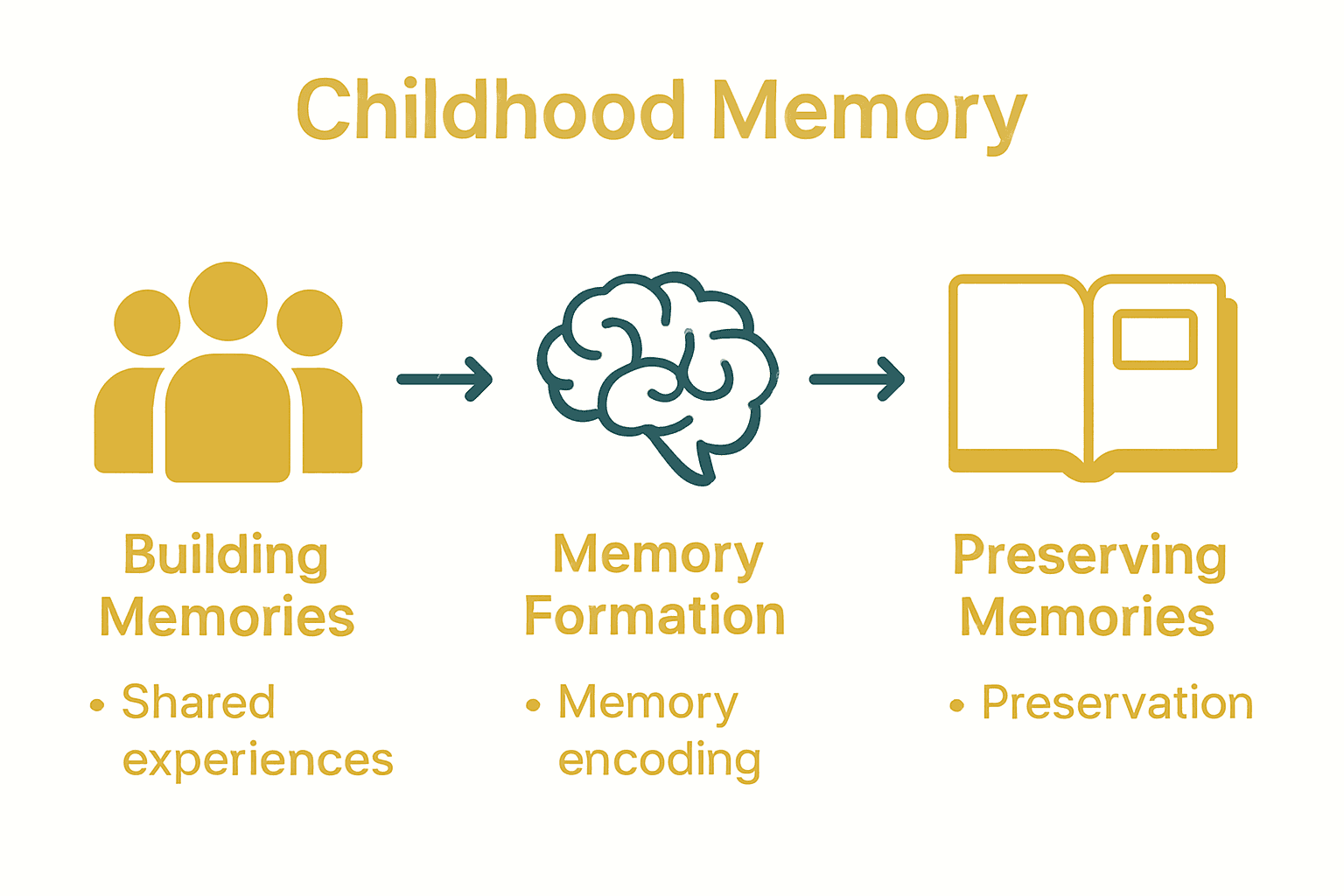
Here’s a summary of key aspects for building, forming, and preserving childhood memories:
| Aspect | Description | Example Strategies |
|---|---|---|
| Building Memories | Creating shared, meaningful experiences that form the foundation of long-term recollections | Family traditions Imaginative play Exploring together |
| Memory Formation | The neurological and emotional processes that encode and reinforce memories in children | Sensory input Emotional association Repeated experiences |
| Preserving Memories | Techniques and tools used to document and protect significant childhood moments for future recall | Journals Photographs Memory books Keepsakes |
How Childhood Memories Are Formed
Memory formation in children is a fascinating neurological process that begins remarkably early. According to UCI News, neuroscientists have discovered specific neurons in the brain’s memory center responsible for acquiring new associative memories, with dopamine playing a crucial role in this intricate process. This breakthrough highlights how our brains actively construct and store memories from the earliest stages of development.
Insights from Le Monde reveal that babies as young as 12 months can form rudimentary episodic memories, demonstrating the early development of the hippocampus’s memory encoding capabilities. This suggests that memory formation is not a static process but a dynamic, evolving mechanism that begins almost immediately after birth.
The formation of childhood memories involves multiple complex mechanisms:
- Sensory input processing
- Emotional association
- Neurological encoding
- Context interpretation
- Repeated experience reinforcement
Interestingly, memory formation is deeply influenced by emotional experiences and environmental interactions. Exploring learning activities can significantly enhance how children encode and retain memories, creating rich neural pathways that support cognitive development.
Children’s memories are not just passive recordings but active constructions.
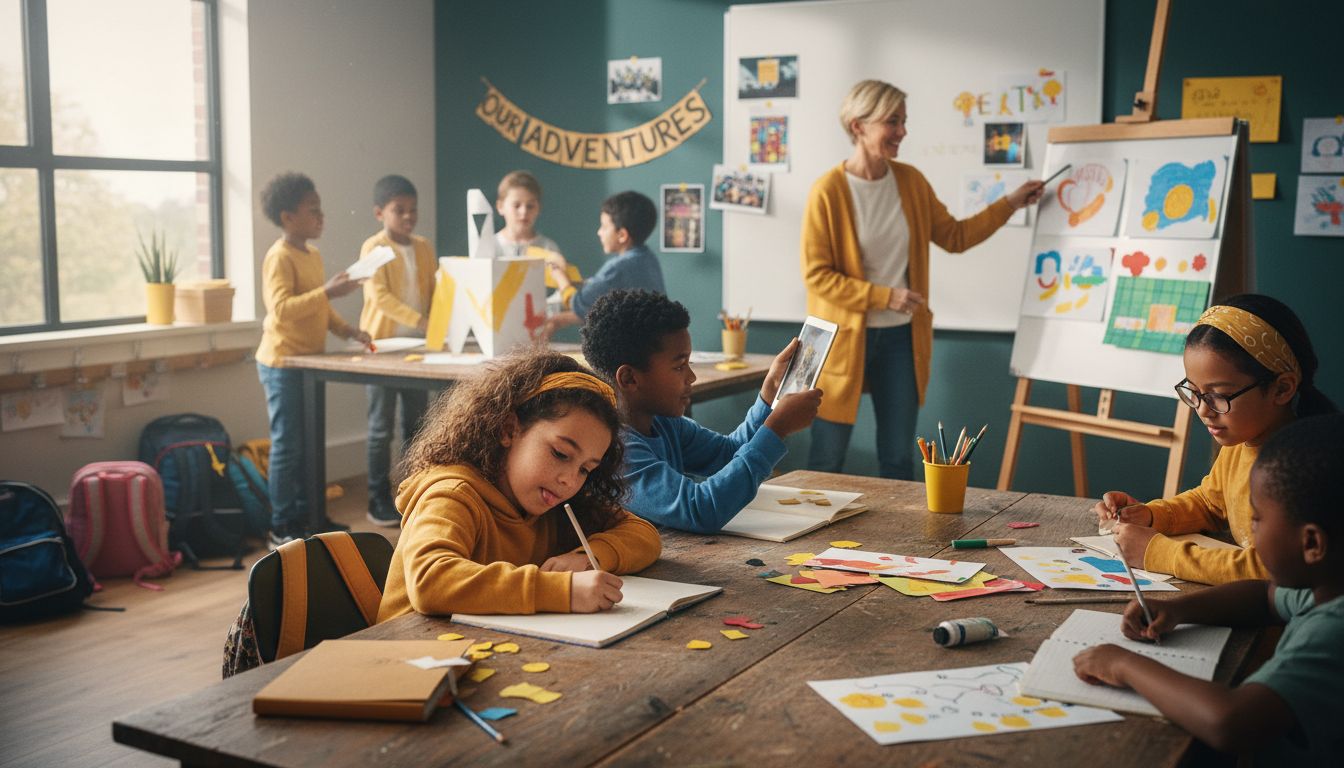 Each experience is filtered through their developing understanding of the world, emotional state, and existing knowledge. This means that the same event can be remembered differently by different children, reflecting the deeply personal nature of memory formation. The brain continuously refines these memories, strengthening some neural connections while allowing others to fade, creating a dynamic and personalized memory landscape.
Creative Ways To Build Lasting Memories
Creating lasting childhood memories is an art that goes beyond simply capturing moments. PubMed research reveals a fascinating insight: recalling childhood memories can actually elicit feelings of moral purity and promote prosocial behavior. This means that the memories we create today have the potential to shape a child’s emotional and ethical landscape for years to come.
According to Michigan State University Psychology, our present-day experiences have the power to alter and reshape memories, suggesting that intentional memory-building can be a dynamic and transformative process. This understanding opens up exciting possibilities for parents and caregivers to craft meaningful experiences that will resonate throughout a child’s lifetime.
Here are some creative ways to build lasting memories:
- Create family traditions and rituals
- Document adventures through photography or journaling
- Engage in shared creative projects
- Plan surprise experiences
- Develop storytelling sessions
Exploring engaging learning activities can be an excellent strategy for creating memorable experiences. Whether it’s a spontaneous nature walk, a collaborative art project, or an imaginative game, the key is to focus on emotional connection and shared joy.
The most powerful memories are often not perfectly staged moments, but spontaneous, authentic experiences that spark genuine emotion. By creating an environment of love, curiosity, and adventure, parents can help children build a rich tapestry of memories that will comfort, inspire, and guide them throughout their lives. Remember, it’s not about creating perfect memories, but about building meaningful connections that will last a lifetime.
Role Of Storytelling And Reflection
Storytelling is a powerful mechanism for preserving and understanding childhood memories. Research by Qi Wang reveals that cultural practices, including storytelling, play a critical role in shaping how individuals remember and interpret their experiences. This suggests that the narratives we create and share are not just simple recollections, but complex constructions that help us make sense of our personal histories.
Interestingly, PubMed studies demonstrate that reflective storytelling can have profound psychological impacts. Recalling childhood memories through narrative can elicit feelings of moral purity and even promote prosocial behavior, indicating that the act of storytelling is far more than mere reminiscence.
Key elements of effective storytelling and reflection include:
- Creating a safe, supportive environment for sharing
- Encouraging emotional honesty
- Asking open-ended questions
- Validating individual experiences
- Connecting past experiences to present understanding
Exploring engaging learning activities can provide wonderful opportunities for storytelling. Family storytelling sessions, whether around a dinner table or during a cozy evening, can become rich grounds for memory preservation and emotional connection.
Reflection transforms memories from passive recordings to active narratives. By encouraging children to share, question, and explore their experiences, parents help them develop a deeper understanding of themselves and their world. The magic of storytelling lies not in perfect recollection, but in the meaning we construct through shared narrative experiences.
Preserving Memories For The Future
PubMed research reveals a challenging reality about childhood memories: early experiences are rarely remembered in adulthood due to rapid forgetting. This scientific insight underscores the critical importance of intentional and strategic memory preservation techniques that can help capture and maintain the precious moments of childhood.
According to Michigan State University Psychology, our present experiences have the remarkable ability to reshape and enhance childhood memory landscapes. This dynamic nature of memory suggests that preservation is not just about recording events, but about creating meaningful contexts that will resonate throughout a child’s lifetime.
Effective memory preservation strategies include:
- Creating digital and physical memory books
- Recording video and audio narratives
- Collecting photographs and artwork
- Maintaining detailed journals
- Preserving physical mementos and keepsakes
Exploring engaging learning activities can transform memory preservation into an interactive, enjoyable process. The key is to make documentation feel like a natural, exciting part of family life rather than a chore.
Memory preservation is ultimately about creating a living narrative that connects past, present, and future. By thoughtfully capturing experiences, emotions, and growth, parents can help children develop a rich, nuanced understanding of their personal history. The goal isn’t perfect preservation, but crafting a meaningful, evolving story that grows and changes with the child.
Capture and Cherish Childhood Memories with The Zoofamily
Building lasting childhood memories requires more than just moments passing by it demands meaningful experiences that ignite creativity and emotional connection. The challenge many parents face is how to actively build and preserve these memories as dynamic narratives that grow with their children. The article highlights key concepts such as creating shared experiences, storytelling, and memory preservation — all essential to shaping a child’s understanding of themselves and their world.
The Zoofamily offers practical solutions that directly meet this need. Our kids’ cameras, walkie-talkies, and binoculars are designed to inspire exploration and nurture curiosity about nature while encouraging collaborative play. Each product features animal references to deepen kids’ connection to the natural world, creating joyful, memorable adventures that form the foundation of rich childhood memories. Plus, with every camera sold, we plant a tree, helping ensure the natural beauty that inspired these moments continues for generations.
Give your child the tools to build a lifetime of meaningful memories today. Explore our collection and discover how to turn everyday moments into cherished stories on The Zoofamily website. For creative family activities that support memory formation and reflection, dive into our engaging learning activities blog. Start capturing your family’s unique story and help shape a future rooted in wonder and connection.
Frequently Asked Questions
How can I build lasting childhood memories for my children?
Creating lasting childhood memories involves intentional actions such as establishing family traditions, engaging in imaginative play, documenting experiences through photography or journaling, and fostering emotional connections through shared adventures.
What techniques can help in preserving childhood memories?
Effective strategies for preserving childhood memories include creating digital and physical memory books, recording video or audio narratives, collecting photographs and artwork, maintaining detailed journals, and saving physical mementos or keepsakes from significant moments.
How do emotional experiences influence memory formation in children?
Emotional experiences play a crucial role in memory formation by enhancing the encoding process in the brain. When children have emotionally charged experiences, they are more likely to remember them, as emotions create stronger neural connections.
What role does storytelling play in memory building?
Storytelling serves as a powerful method for memory building, as it helps children process and interpret their experiences. Reflective storytelling can elicit emotions and promote moral understanding, transforming passive memories into active narratives that shape a child’s identity.
Recommended
- Making Learning Fun: Engaging Activities for Your Kids – The Zoofamily
- Childhood Brain Development: A Guide for Modern European Mums – The Zoofamily
- Making Learning Fun: Engaging Activities for Your Kids – The Zoofamily
- Understanding the Benefits of Imaginative Play – The Zoofamily
- Wisdom – Your AI Guide to Love, Success & Self-Mastery