

Green spaces shape city life in ways that often go unnoticed. Across the UK, parks, gardens, and urban forests cover over 27 percent of urban areas according to environmental research. You might think these leafy patches are just there for decoration or a quick picnic. The real shock is how deeply they influence mental health, childhood development, and even how communities connect. The science behind it is more surprising than most people realise.
Table of Contents
- What Are Green Spaces And Their Types?
- Why Green Spaces Matter For Child Development
- How Green Spaces Enhance Community Well-Being
- The Connection Between Nature And Mental Health
- Practical Benefits Of Green Spaces For Family Life
Quick Summary
| Takeaway | Explanation |
|---|---|
| Access to green spaces boosts community well-being | Green spaces serve as inclusive environments that foster social connections and improve mental health across communities. |
| Natural environments enhance child development | Children benefit cognitively and physically from play in green spaces, supporting skills like problem-solving and coordination. |
| Green spaces reduce urban stress | Interaction with nature lowers stress hormones, improving emotional health and restoring mental balance for individuals. |
| Encouraging outdoor family activities improves health | Regular engagement in green spaces promotes physical activity, reducing sedentary behaviour and enhancing overall family wellness. |
| Green spaces serve as valuable learning environments | Nature facilitates unstructured play and exploration, allowing children and families to learn and grow together outside traditional settings. |
What Are Green Spaces and Their Types?
Green spaces represent vital urban and natural environments that provide open areas covered with vegetation, offering significant ecological and social benefits for families and communities. Understanding the diverse landscape of green spaces helps residents appreciate their multifaceted role in environmental sustainability and urban living.

Urban Green Space Classifications
Green spaces encompass various types of natural and managed landscapes within urban and suburban environments. Research from the Urban Green Spaces Institute identifies several primary classifications:
- Parks: Structured recreational areas with maintained landscapes
- Community Gardens: Collaborative growing spaces managed by local residents
- Urban Forests: Woodland areas integrated within city boundaries
- Pocket Parks: Small, compact green areas in densely populated urban zones
These diverse green spaces serve multiple functions beyond aesthetic appeal. They provide critical ecological services, create habitats for local wildlife, and offer essential recreational opportunities for families and children.
Environmental and Social Significance
The benefits of green spaces extend far beyond simple visual attractiveness. Environmental studies from Cambridge University demonstrate that urban green spaces play crucial roles in:
- Reducing urban heat island effects
- Improving air quality by filtering pollutants
- Supporting biodiversity within metropolitan regions
- Creating natural cooling mechanisms
For families, these spaces represent more than environmental infrastructure. They are community gathering points, areas for physical activity, mental restoration, and connection with natural environments. Children especially benefit from direct interaction with green spaces, developing environmental awareness and enjoying unstructured play opportunities.
By understanding the varied types and profound significance of green spaces, urban residents can better appreciate and advocate for these essential natural resources that contribute substantially to community well-being and environmental health.
The table below summarises the key types of urban green spaces highlighted in the article, providing brief definitions and typical benefits for families.
| Green Space Type | Description | Typical Family Benefits |
|---|---|---|
| Parks | Structured recreational areas with maintained landscapes | Recreation, play, picnics, exercise |
| Community Gardens | Shared growing spaces managed by local residents | Gardening, education, social interaction |
| Urban Forests | Woodland areas within city boundaries | Nature exploration, biodiversity encounters |
| Pocket Parks | Small green areas in densely populated urban zones | Nearby relaxation, quick outdoor access |
Why Green Spaces Matter for Child Development
Child development represents a complex process where environmental interactions significantly influence cognitive, physical, and social growth. Green spaces emerge as powerful contributors to this developmental journey, offering children essential opportunities for holistic learning and exploration.
Cognitive and Neurological Benefits
Research from the National Institutes of Health demonstrates that exposure to natural environments directly impacts children’s neurological development. Children who regularly interact with green spaces exhibit enhanced:
- Attention span and concentration abilities
- Problem solving skills
- Creative thinking processes
- Sensory integration capabilities
Natural settings provide unstructured learning environments where children can engage in exploratory play, stimulating neural pathways and promoting cognitive flexibility. These interactions help develop critical thinking skills that extend far beyond traditional classroom learning.
Physical and Social Development
Green spaces serve as dynamic platforms for physical activity and social interaction. Child Development Research Journal highlights that outdoor environments encourage children to:
- Develop gross motor skills through natural terrain navigation
- Build physical strength and coordination
- Learn collaborative play techniques
- Practice social negotiation and teamwork
Unstructured play in green spaces allows children to challenge themselves physically, understand spatial relationships, and develop resilience through natural exploration. Learn more about engaging childhood activities that complement these developmental experiences.
By prioritizing access to green spaces, parents provide children with invaluable developmental opportunities that support comprehensive growth across cognitive, physical, and social domains. These natural environments represent more than recreational areas they are essential learning laboratories for childhood development.
This table organises the principal benefits of green spaces for child development as detailed in the article, distinguishing between cognitive/neurological and physical/social enhancements.
| Domain | Key Benefits Provided by Green Spaces |
|---|---|
| Cognitive/Neurological | Improved attention span and concentration abilities |
| Enhanced problem solving and creative thinking | |
| Better sensory integration and cognitive flexibility | |
| Physical/Social | Development of gross motor skills and coordination |
| Building physical strength and resilience | |
| Opportunities for collaborative play and social negotiation |
How Green Spaces Enhance Community Well-Being
Community well-being extends beyond individual health, encompassing collective social, psychological, and environmental factors that contribute to shared quality of life. Green spaces emerge as transformative urban elements that fundamentally reshape community dynamics and collective experiences.
Social Connection and Community Resilience
Research from the Urban Ecology Institute reveals that accessible green spaces significantly strengthen community bonds by providing neutral, inclusive gathering environments. These shared natural spaces facilitate:
- Intergenerational interactions
- Informal social networking
- Collaborative community activities
- Opportunities for spontaneous community engagement
Green spaces act as democratic platforms where residents from diverse backgrounds can interact naturally, breaking down social barriers and fostering mutual understanding. They represent more than physical landscapes they are social infrastructure that promotes community cohesion and collective wellness.
Mental Health and Psychological Restoration
Urban environments often generate significant psychological stress, and green spaces provide critical respite. These natural zones offer psychological benefits that extend across demographic groups:
- Reduction of urban-related anxiety
- Improvement in overall mood and emotional regulation
- Enhanced sense of community belonging
- Opportunities for mindful relaxation
Learn more about creating sustainable family routines that integrate nature and well-being. The psychological restoration provided by green spaces contributes to broader community mental health, creating environments that support emotional resilience and collective psychological wellness.
The following table presents a comparison of how green spaces contribute to both individual psychological benefits and broader community well-being, based on evidence discussed in the article.
| Benefit Area | Impact of Green Spaces |
|---|---|
| Individual Mental Health | Reduced anxiety and stress levels, improved mood, better emotional regulation |
| Community Well-Being | Promotes social connection, inclusive gathering, enhanced community belonging and cohesion |
| Psychological Restoration | Opportunities for mindful relaxation and emotional resilience |
| Environmental Support | Mitigates urban heat, improves air quality, supports biodiversity |
By prioritizing green spaces, communities invest in comprehensive social infrastructure that supports physical health, psychological restoration, and social connectivity. These natural environments transcend traditional recreational areas, emerging as essential platforms for building stronger, more interconnected communities.
The Connection Between Nature and Mental Health
Mental health represents a complex interplay of biological, psychological, and environmental factors. Nature emerges as a powerful therapeutic landscape that significantly influences psychological well-being, offering profound healing and restoration mechanisms for individuals navigating modern life’s challenges.
Neurological Stress Reduction
Research from the National Institute of Mental Health demonstrates that natural environments trigger measurable neurological responses that counteract stress. When humans interact with green spaces, several critical psychological processes occur:
- Reduction of cortisol stress hormone levels
- Activation of parasympathetic nervous system
- Enhanced production of mood-stabilizing neurotransmitters
- Decreased sympathetic nervous system activity
Natural settings provide sensory experiences that recalibrate our neurological systems, helping individuals transition from heightened stress states to more balanced psychological conditions. The gentle stimuli of natural environments act as a sophisticated reset mechanism for overloaded mental circuits.
Emotional Regulation and Psychological Resilience
Nature interactions contribute significantly to emotional intelligence and psychological adaptability. Exposure to green spaces helps individuals develop:
- Enhanced emotional self-regulation skills
- Improved capacity for mindful awareness
- Greater emotional processing capabilities
- Increased psychological flexibility
Discover strategies for family mental wellness that incorporate natural environments. These interactions teach individuals to navigate emotional landscapes with greater ease, transforming potential stress responses into opportunities for growth and understanding.
By recognizing nature as a fundamental mental health resource, individuals can intentionally design lifestyle experiences that support psychological well-being. Green spaces are not merely aesthetic backgrounds but active participants in our mental health journey, offering sophisticated, holistic healing environments that respond dynamically to human emotional needs.
Practical Benefits of Green Spaces for Family Life
Green spaces offer families far more than aesthetic appeal, serving as dynamic environments that support comprehensive family wellness through intentional interaction with natural landscapes. These spaces transform ordinary family experiences into opportunities for growth, connection, and shared learning.
Physical Health and Active Lifestyle
Research from the European Public Health Association demonstrates that regular green space engagement directly correlates with improved family physical health. Families benefit through:
- Enhanced opportunities for outdoor exercise
- Reduced sedentary lifestyle risks
- Natural motivation for physical movement
- Increased vitamin D exposure
- Improved cardiovascular health
Natural environments provide intuitive, engaging settings where physical activity feels less like structured exercise and more like enjoyable exploration. Children naturally move more dynamically in green spaces, developing motor skills while parents simultaneously maintain active lifestyles.
Family Bonding and Communication
Green spaces create unique environments that facilitate deeper family connections away from digital distractions. These natural settings encourage:
- Unstructured quality time together
- Shared exploratory experiences
Outdoor environments naturally reduce technological interruptions, allowing families to communicate more authentically. Learn about protecting our planet with children through meaningful environmental interactions that strengthen familial relationships.
By intentionally integrating green spaces into family routines, parents create holistic developmental environments that support physical, emotional, and social wellness. These natural landscapes become more than recreational areas they transform into living classrooms where families learn, grow, and connect meaningfully.
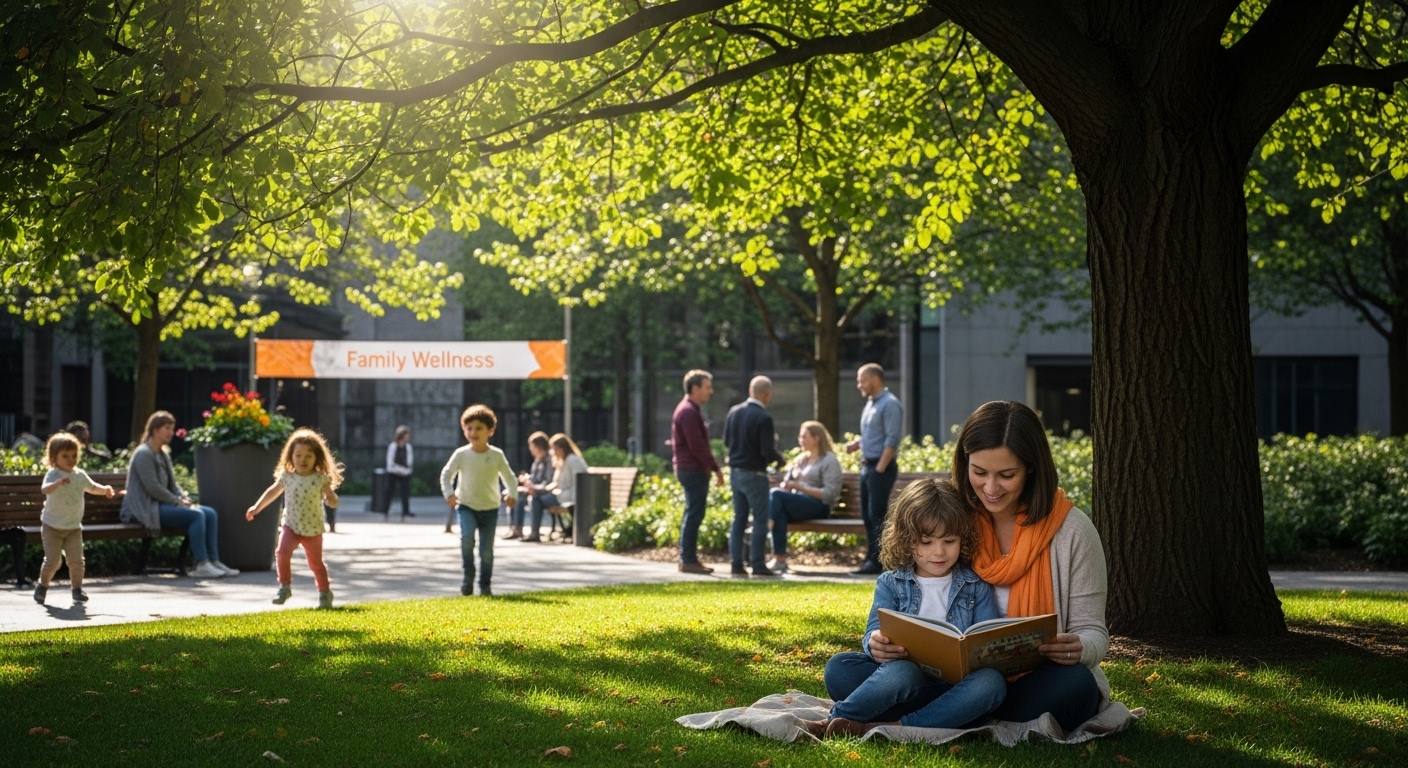
Bring Green Spaces to Life for Your Family
Do you wish your children could experience the true magic of nature every day, not just during rare park visits? The article highlights how green spaces help children develop mentally and physically, but many families face the challenge of making those nature connections real in modern life. Our mission at The Zoofamily is to support families in bridging this crucial gap, making outdoor discovery part of everyday adventure. With creative tools like kids’ cameras, walkie-talkies, and binoculars inspired by animals, children become explorers who see green spaces with new curiosity and confidence. For each camera sold, we plant a tree so your child’s journey directly helps restore the planet for future generations.
Unlock your family’s outdoor potential and deepen your children’s love for the world around them. Visit The Zoofamily to spark hands-on learning and make green spaces a joyful, lasting part of your family’s life. Start today and watch your child’s relationship with nature—and your family bonds—grow stronger now.
Frequently Asked Questions
What are the different types of green spaces?
Green spaces can include parks, community gardens, urban forests, and pocket parks, each serving unique purposes for recreation and community engagement.
How do green spaces contribute to children’s development?
Green spaces offer unstructured play opportunities that enhance cognitive skills, promote physical activity, and support social interactions, fostering overall child development.
What mental health benefits do green spaces provide?
Interactions with natural environments help reduce stress levels, improve mood, and enhance emotional regulation, contributing to better overall mental health.
How can families make the most of green spaces?
Families can utilise green spaces for physical activities, bonding experiences, and educational opportunities that promote well-being and connection with nature.
Recommended
- Understanding Eco Friendly Routines for Modern Families – The Zoofamily
- Eco Friendly Cleaning Tips For Busy European Mums – The Zoofamily
- Comment protéger la planète au quotidien avec ses enfants – The Zoofamily
- Comprendre comment prendre soin de la terre pour nos enfants – The Zoofamily
- Top Reasons to Hire Cleaners in McKinney for 2025
- 10 Nursery Decor Ideas for a Cozy Baby Space – KariStudio