

Over 70 percent of parents say that building a strong family is harder today than ever before. Family life is filled with busy schedules, unexpected stress, and shifting dynamics that can leave everyone feeling disconnected. Learning how to foster resilience at home means everyone, from toddlers to teens and adults, can thrive in the face of everyday challenges. Explore simple, research-backed ways to strengthen your family’s bonds and create a supportive environment where everyone feels valued and understood.
Table of Contents
- Step 1: Create A Supportive Family Environment
- Step 2: Introduce Healthy Routines And Habits
- Step 3: Encourage Open Conversations About Challenges
- Step 4: Model Positive Coping Strategies
- Step 5: Verify Progress With Regular Family Check-Ins
Quick Summary
| Key Point | Explanation |
|---|---|
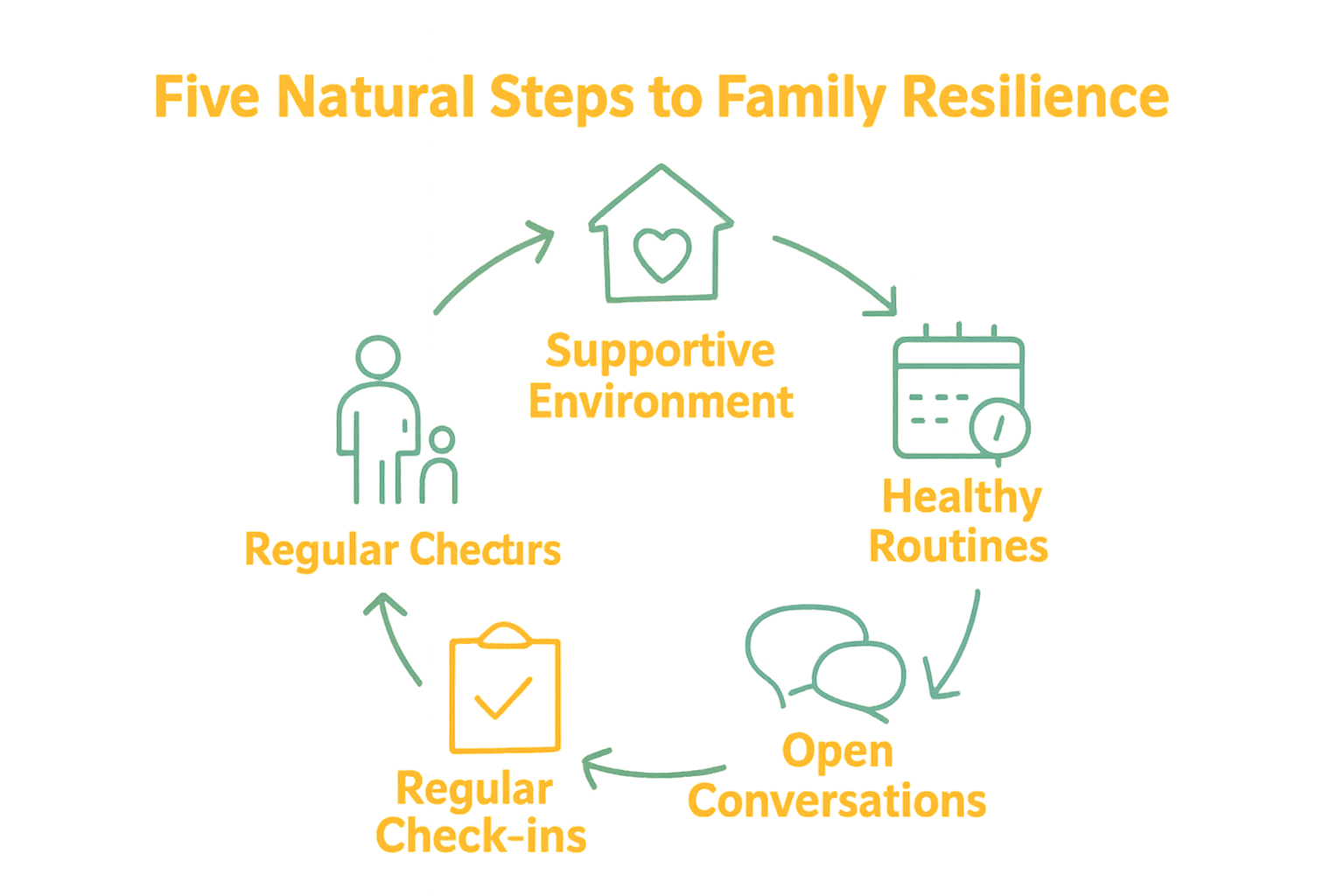
| 1. Create a safe family environment | Foster connections where all members feel heard and included, enhancing emotional stability and social skills. |
| 2. Establish healthy routines together | Implement collaborative daily habits such as exercise and meal preparation to promote well-being and resilience. |
| 3. Encourage open discussion of challenges | Hold regular family meetings to share challenges and collectively brainstorm solutions, ensuring a supportive atmosphere. |
| 4. Model positive coping strategies | Demonstrate healthy ways to manage stress, teaching children practical emotional regulation through observation. |
| 5. Conduct regular family check-ins | Use structured meetings to reflect on progress and discuss family goals, fostering continuous learning and adaptation. |
Step 1: Create a supportive family environment
Building a resilient family starts with creating an environment where every member feels safe, heard, and connected. According to Penn State Extension, strong family relationships provide a sense of belonging and security that enhances emotional stability and social skills.
To create this supportive atmosphere, prioritise quality time together through shared activities and consistent communication. The Raising Relatives program highlights the importance of fostering positive protective factors like safe relationships and stable environments. Start by establishing regular family rituals such as weekly meals, game nights, or weekend outings where everyone participates and contributes.
A practical strategy involves creating dedicated spaces for open dialogue where family members can express feelings without judgment. This means setting aside time each week for check ins, actively listening to each other, and validating individual experiences. By normalising emotional expression and mutual support, you build a foundation of trust that helps family members navigate challenges together.
One helpful warning: avoid forcing conversations or making interactions feel like mandatory meetings. Keep interactions natural, spontaneous, and genuinely enjoyable. The goal is connection, not compliance.
As you develop these supportive patterns, you will gradually strengthen your family’s emotional resilience and create a nurturing environment where everyone feels valued and understood.
Step 2: Introduce healthy routines and habits
Establishing consistent and positive family routines is key to building natural resilience and promoting overall well-being. According to National Library of Medicine, higher family resilience is directly associated with increased physical activity and improved diet quality.
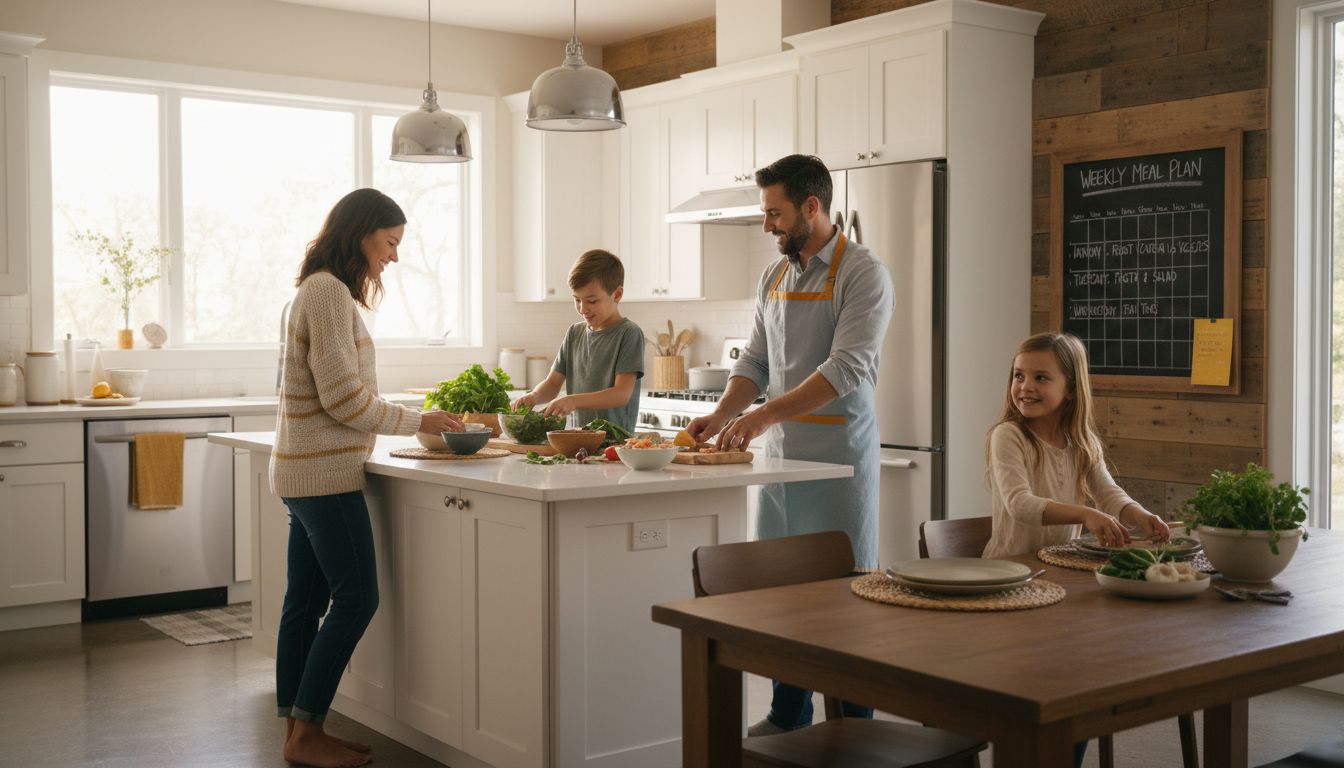
Start by creating structured daily rhythms that incorporate health focused activities everyone can participate in. This might include morning stretching together, preparing nutritious meals as a family, or scheduling regular outdoor adventures. The UCLA CARES Center emphasizes that supportive relationships form the foundation of family resilience, and consistent schedules play a crucial role in achieving this.
Consider developing a family wellness calendar that tracks shared health goals. This could include tracking water intake, planning balanced meals, setting exercise challenges, and scheduling regular family activity times. By making these routines collaborative and enjoyable, you transform healthy habits from chores into exciting shared experiences.
One helpful warning: avoid making these routines feel like strict regulations. Keep them flexible, fun, and adaptive to each family members individual needs and preferences.
As you integrate these healthy habits, you will gradually build a family culture of wellness and mutual support that naturally enhances resilience and connection.
Step 3: Encourage open conversations about challenges
Creating a family environment where challenges can be openly discussed is crucial for building emotional resilience. According to Greater Good Science Center, engaging in conversations about life challenges and sharing experiences can significantly strengthen family bonds and develop collective coping strategies.
To foster these meaningful dialogues, create dedicated time and space for family members to share their experiences without judgment. The University of Texas Medical Branch recommends developing collaborative problem solving skills by actively involving all family members in discussions. This might involve weekly family meetings where everyone gets a chance to speak about their struggles, achievements, and feelings.
Establish some ground rules for these conversations that prioritize respect, active listening, and empathy. Encourage each family member to speak without interruption, validate their emotions, and work together to brainstorm potential solutions. By normalising discussions about difficulties, you help children and adults alike understand that challenges are a normal part of life and can be approached constructively.
One helpful warning: avoid turning these conversations into critique sessions. The goal is support and understanding, not finding fault or assigning blame.
As you practice these open communication techniques, you will gradually build a family culture of trust, emotional intelligence, and mutual support that can navigate challenges more effectively.
Step 4: Model positive coping strategies
Building family resilience begins with parents demonstrating healthy approaches to managing stress and challenges. According to Utah State University Extension, developing resilience involves managing stress and maintaining emotional stability through intentional strategies that children can observe and learn from.
Start by openly sharing your own coping mechanisms with your family. This might include practicing mindfulness, engaging in regular exercise, journaling, or seeking support from friends and professional resources. The University of Washington recommends that parents participate in stress-relieving activities that demonstrate practical ways of handling life pressures.
Create family moments that showcase emotional regulation and problem solving. When you encounter a challenging situation, narrate your thought process out loud. Explain how you are taking deep breaths, considering different perspectives, or breaking down a complex problem into manageable steps. This transparent approach helps children understand that challenges are normal and can be approached constructively.
One helpful warning: authenticity matters more than perfection. Your children do not need to see you as infallible but as someone who can navigate difficulties with grace and resilience.
As you consistently model these positive coping strategies, you will gradually build a family culture of emotional intelligence and effective stress management.
Step 5: Verify progress with regular family check-ins
Tracking your family’s resilience journey requires consistent reflection and open communication. According to the UCLA CARES Center, regular check-ins provide critical opportunities to assess collective well-being and address emerging challenges proactively.
Design these family meetings to be engaging and structured yet flexible. The Raising Relatives program recommends scheduling consistent gatherings where every family member can share experiences, feelings, and observations. Consider establishing a monthly or quarterly rhythm where you review your family goals, discuss individual and collective progress, and realign strategies as needed.
Create a comfortable atmosphere during these check-ins by using interactive approaches. This might involve using visual tools like progress charts, sharing appreciation rounds, or playing collaborative games that encourage honest communication. Ensure that each family member feels heard and validated, transforming these meetings from mere status updates to meaningful connection opportunities.
One helpful warning: avoid turning these sessions into critique or judgment forums. The goal is supportive exploration and collective growth.
As you implement these regular check-ins, you will develop a dynamic family system that continuously learns, adapts, and strengthens its emotional resilience.
Foster Resilience and Connection with The Zoofamily
Building resilience in families means creating safe spaces for open conversations and encouraging positive shared routines. The article highlights how emotional support and natural connections help family members feel understood and connected. At The Zoofamily, we share these values by designing products that inspire children to explore nature and engage with each other creatively.

Discover our unique kids’ cameras, walkie-talkies, and binoculars that bring families closer while nurturing an appreciation for the natural world. Every purchase plants a tree, helping secure a healthier planet for your children’s future. Start your family’s journey towards stronger bonds and well-being today by visiting The Zoofamily. Explore how natural play can support the healthy routines and open communication your family deserves at The Zoofamily. Begin fostering resilience now and create unforgettable moments together.
Frequently Asked Questions
How can I create a supportive family environment to build resilience?
Start by prioritizing quality time together and fostering open communication. Establish regular family rituals like weekly dinners or game nights to strengthen connections and trust.
What healthy routines should we implement to enhance our family’s resilience?
Establish daily routines that include health-focused activities such as shared exercise or preparing nutritious meals together. For example, plan a family walk three times a week to encourage physical activity and bonding.
How do I encourage open conversations about challenges within my family?
Dedicate time each week for family discussions where everyone can share their experiences without judgment. Setting up a family meeting with ground rules for respect and active listening can create a safe space for these conversations.
What positive coping strategies can I model for my family?
Demonstrate healthy stress management techniques like mindfulness or exercising regularly. Share your coping mechanisms during family discussions to help children learn effective ways to handle challenges.
How often should we have family check-ins to track our resilience progress?
Schedule regular family check-ins, ideally once a month, to reflect on individual and collective well-being. Use these meetings to celebrate achievements and adjust strategies as needed, ensuring everyone feels heard and validated.
What activities can make our family check-ins engaging and productive?
Incorporate interactive elements like progress charts or appreciation rounds during check-ins to foster communication. Choose activities that allow every family member to express their thoughts, making these sessions more dynamic and supportive.
Recommended
- Understanding Eco Friendly Routines for Modern Families – The Zoofamily
- Childhood Brain Development: A Guide for Modern European Mums – The Zoofamily
- Making Learning Fun: Engaging Activities for Your Kids – The Zoofamily
- Comment protéger la planète au quotidien avec ses enfants – The Zoofamily
- Why Stories Teach Resilience Better Than Lectures