

Over 60 percent of british households throw away items that could easily be reused for creative projects. Teaching children to upcycle these everyday materials not only cuts down on waste but sparks their imagination and curiosity. This collection of simple ideas turns rubbish into learning adventures, giving families practical ways to support the environment while making memories together.
Table of Contents
- 1. Make Bird Feeders From Plastic Bottles
- 2. Create Plant Pots Using Old Milk Cartons
- 3. Turn Cardboard Boxes Into Playhouses
- 4. Design Art Projects With Bottle Caps
- 5. Build Miniature Gardens From Egg Cartons
- 6. Craft Musical Instruments From Tins And Cans
- 7. Organise Recycling Games For Family Fun
Quick Summary
| Takeaway | Explanation |
|---|---|
| 1. Create bird feeders from plastic bottles | Teach children about recycling and wildlife support through a hands-on bird feeder project using plastic bottles. |
| 2. Transform milk cartons into plant pots | Use old milk cartons to engage children in gardening, teaching them about plant care and environmental stewardship. |
| 3. Make playhouses from cardboard boxes | Encourage creativity and spatial reasoning by crafting playhouses from cardboard boxes, promoting imaginative play. |
| 4. Design art projects with bottle caps | Foster artistic expression in children by using bottle caps for creative art projects, highlighting environmental awareness. |
| 5. Organise recycling games for family fun | Turn recycling education into a game, creating memorable family experiences that teach sustainability through fun activities. |
1. Make Bird Feeders From Plastic Bottles
Transforming plastic waste into a wildlife sanctuary project is an incredible way to teach children about environmental conservation and creativity. By crafting bird feeders from recycled materials, you turn an ordinary household item into an extraordinary learning opportunity that connects children directly with nature.
The Missouri Department of Conservation highlights the educational potential of this simple project, demonstrating how children can actively participate in wildlife support through hands-on recycling. Creating bird feeders not only reduces plastic waste but also helps local bird populations access nutrition during challenging seasons.
What You Will Need:
- Clean plastic bottle (1-2 litre size works best)
- Scissors or craft knife (parental supervision required)
- Wooden spoon or dowel rod
- String or wire for hanging
- Bird seed
The process involves carefully cutting small feeding holes in the bottle, inserting perches, and mounting the feeder in a garden or outdoor space. Your children will learn practical skills while understanding ecological interconnectedness. They will witness how their creative effort directly supports local wildlife, transforming waste into a vital resource for birds.
Remember that adult supervision is crucial during the crafting process, ensuring children’s safety while guiding their environmental learning journey. This activity teaches sustainability, resourcefulness, and compassion for wildlife in one delightful project.
2. Create Plant Pots Using Old Milk Cartons
Reinventing household waste into something beautiful and functional is a wonderful way to teach children about sustainability and creativity. Transforming old milk cartons into charming plant pots offers an engaging opportunity to explore gardening, recycling, and environmental stewardship right from your own kitchen.
FreshFarm highlights the potential of repurposing everyday containers, demonstrating how simple materials can become powerful learning tools for children. By converting milk cartons into plant pots, you not only reduce waste but also create a hands-on science lesson about plant growth and ecosystem care.
Materials You Will Need:
- Clean milk carton
- Scissors
- Potting soil
- Seeds or small plants
- Craft paint or decorative materials (optional)
Start by thoroughly washing and drying the milk carton. Cut drainage holes in the bottom to prevent waterlogging, then allow your children to personalise their new plant pot with paint or decorative materials. Fill the container with nutrient-rich soil and choose seeds or small plants that fascinate your young gardeners.
This project teaches multiple valuable lessons: waste reduction, plant biology, responsibility for nurturing living things, and the joy of watching something grow from your own efforts. Encourage your children to observe their plants daily, record growth, and understand the intricate connections between care, environment, and life itself.
Children will develop patience, scientific curiosity, and a deeper appreciation for the natural world through this simple yet profound recycling activity.
3. Turn Cardboard Boxes Into Playhouses
Cardboard boxes are magical portals of imagination that can transform from mundane packaging into extraordinary worlds of play and creativity. By repurposing these everyday items, parents can create engaging learning experiences that stimulate children’s imagination while teaching valuable lessons about recycling and resourcefulness.
PBS Utah highlights the potential of recycled materials for creative projects, demonstrating how simple household items can become extraordinary play environments. Cardboard box playhouses offer children an opportunity to design their own space, developing spatial reasoning skills and artistic expression simultaneously.
Materials You Will Need:
- Large cardboard box
- Craft knife (adult use only)
- Scissors
- Markers or paint
- Decorative items like stickers or fabric scraps
Begin by selecting a sturdy cardboard box large enough for your child to sit inside. Work together to plan the playhouse design, carefully cutting windows and doors using adult supervision. Encourage your children to personalise their space with drawings, paintings, or creative decorations that reflect their unique personality and imagination.
This activity teaches multiple skills: spatial planning, creativity, fine motor skills, and the importance of reimagining waste materials. Children learn that objects can have multiple purposes and that creativity transforms ordinary items into extraordinary experiences. By involving them in the design and decoration process, you nurture problem solving skills and self expression while creating a memorable bonding activity.
4. Design Art Projects With Bottle Caps
Bottle caps are tiny treasures of potential creativity waiting to be transformed by imaginative young minds. These small plastic or metal objects that often end up in rubbish bins can become extraordinary materials for unique art projects that teach children about recycling, design, and artistic expression.
Iowa PBS encourages creative reuse of everyday materials, demonstrating how simple objects can become powerful tools for learning and artistic exploration. Bottle cap art projects offer children an opportunity to see everyday items through a lens of creativity and environmental consciousness.
Project Ideas:
- Mosaic wall art
- Colourful jewellery
- Decorative picture frames
- Musical shakers
- Nature inspired sculptures
Begin by collecting clean bottle caps in various colours and sizes. Sort them by colour, texture, and size to help children understand pattern recognition and design principles. Encourage them to experiment with different arrangements, creating pictures, patterns, or three dimensional sculptures that showcase their unique artistic vision.
Through these projects, children learn important skills such as spatial reasoning, colour theory, and environmental responsibility. They discover that creativity has no boundaries and that seemingly insignificant objects can be transformed into beautiful, meaningful artwork. This activity not only reduces waste but also nurtures children’s imagination and problem solving abilities in a fun, engaging manner.
5. Build Miniature Gardens From Egg Cartons
Egg cartons are not just packaging materials but secret gateways to botanical exploration for curious young minds. These humble containers can be transformed into magical miniature gardens that teach children about plant growth, environmental stewardship, and the wonders of nature.
FreshFarm highlights the potential of recycling everyday containers into educational tools, demonstrating how simple household items can become powerful learning experiences. Miniature gardens in egg cartons offer children a hands-on opportunity to understand plant biology, nurture living things, and develop a deeper connection with the natural world.
Materials You Will Need:
- Empty egg carton
- Potting soil
- Seeds (herbs, flowers, or small vegetables)
- Water spray bottle
- Sunlight
- Permanent marker
Begin by cleaning the egg carton thoroughly and poking small drainage holes in each compartment. Fill each section with nutrient rich potting soil, then carefully plant different seeds in each pocket. Encourage your children to label each section and track the growth of their plants using a gardening journal.
This activity teaches multiple valuable lessons: seed germination, plant care, patience, and environmental responsibility. Children will learn about photosynthesis, water cycles, and the delicate process of nurturing life. As seedlings emerge and grow, they will experience the magic of watching something develop from a tiny seed to a thriving plant right before their eyes.
6. Craft Musical Instruments From Tins and Cans
Turning everyday recycling materials into musical instruments is a magical way to transform waste into wonder while introducing children to the joy of sound and creativity. Empty tins and cans become portals of musical exploration that engage children’s imagination and teach valuable lessons about sound production and resourcefulness.
PBS Utah emphasises the potential of repurposing household items, highlighting how ordinary objects can become extraordinary tools for learning and artistic expression. Musical instrument crafting allows children to understand basic acoustic principles while developing fine motor skills and creative problem solving.
Instrument Ideas:
- Percussion shakers
- Drum style containers
- Tambourines
- Rhythm sticks
- Simple wind chimes
Begin by thoroughly cleaning metal containers and removing any sharp edges with adult supervision. Fill some containers partially with dried beans or rice to create shakers, seal the openings securely, and decorate with colourful paint or stickers. Different quantities of filling materials will produce unique sounds, allowing children to experiment with musical pitch and rhythm.
This activity teaches children about sound waves, musical composition, and environmental creativity. By transforming discarded containers into musical tools, children learn that imagination can turn seemingly worthless items into sources of joy and artistic expression. The process encourages exploration, listening skills, and an understanding that music can emerge from the most unexpected places.
7. Organise Recycling Games For Family Fun
Turning environmental education into an exciting family adventure transforms learning about sustainability from a chore into a thrilling game. Recycling games create memorable experiences that teach children about waste reduction while building family connections and nurturing ecological consciousness.
Iowa PBS highlights the potential of interactive learning in environmental education, demonstrating how playful activities can inspire children to understand ecological principles. By transforming recycling into an engaging family activity, parents can make sustainability both fun and meaningful.
Game Ideas:
- Recycling sorting race
- Waste detective challenge
- Upcycling treasure hunt
- Recycling memory game
- Eco point collection competition
Start by creating simple game rules that reward creative thinking and proper recycling practices. For instance, in the sorting race, family members can compete to correctly categorise different materials into appropriate recycling bins within a set timeframe. The waste detective challenge involves identifying the origins and potential second lives of various household items.
These games teach critical thinking, environmental responsibility, and collaborative problem solving. Children learn that recycling is not just an adult task but an exciting opportunity to make a positive difference. By gamifying sustainability, families can transform waste management into an enjoyable, educational experience that builds lasting environmental awareness.
For more inspiration on family eco activities, check out our guide to protecting the planet with children.
Below is a comprehensive table summarising various projects that transform household waste into educational and creative activities for children, highlighting sustainable practices and experiential learning.
| Activity | Materials Needed | Benefits & Learning Outcomes |
|---|---|---|
| Bird Feeders | Plastic bottle, scissors, wooden spoon, string, bird seed | Environmental conservation, practical skills, support for local wildlife |
| Plant Pots | Milk carton, potting soil, seeds, paint | Gardening skills, sustainability, understanding plant growth |
| Cardboard Playhouses | Cardboard box, craft knife, paint, decorative items | Imagination, spatial planning, transforming waste into play environments |
| Bottle Cap Art | Bottle caps, paint, canvas | Artistic expression, recycling education, design skills |
| Miniature Gardens | Egg carton, potting soil, seeds, water spray bottle | Plant biology, environmental stewardship, patience in nurturing living things |
| Musical Instruments | Tins and cans, dried beans, paint | Sound production, creativity with upcycled materials, exploration of musical sounds |
| Recycling Games | Various recyclable items | Critical thinking, teamwork, making recycling engaging and educational |
Inspire Your Children to Connect Deeply With Nature Through Creative Recycling
The article “7 Creative Ways to Recycle Naturally With Your Children” highlights the challenge of turning everyday waste into meaningful experiences that teach sustainability, creativity, and environmental responsibility. It taps into parents’ desire to nurture ecological awareness and hands-on learning while fostering a loving bond with the natural world. Transforming plastic bottles, cardboard boxes, and egg cartons into bird feeders, playhouses, or mini gardens empowers children to see waste as a valuable resource and develop patience, curiosity, and compassion.
At The Zoofamily, we understand the importance of sparking curiosity alongside environmental care. That is why our products such as kids’ cameras, walkie-talkies, and binoculars designed with animal references inspire children to explore nature actively. We share the vision that every creative connection with our planet matters deeply which is why for one camera sold we plant one tree to restore the natural beauty for generations to come.
Explore our thoughtful range that complements your family’s eco-friendly activities and helps deepen your children’s love for wildlife and the outdoors. Visit The Zoofamily today to discover how you can enrich your child’s environmental journey with tools that celebrate nature while teaching responsibility.
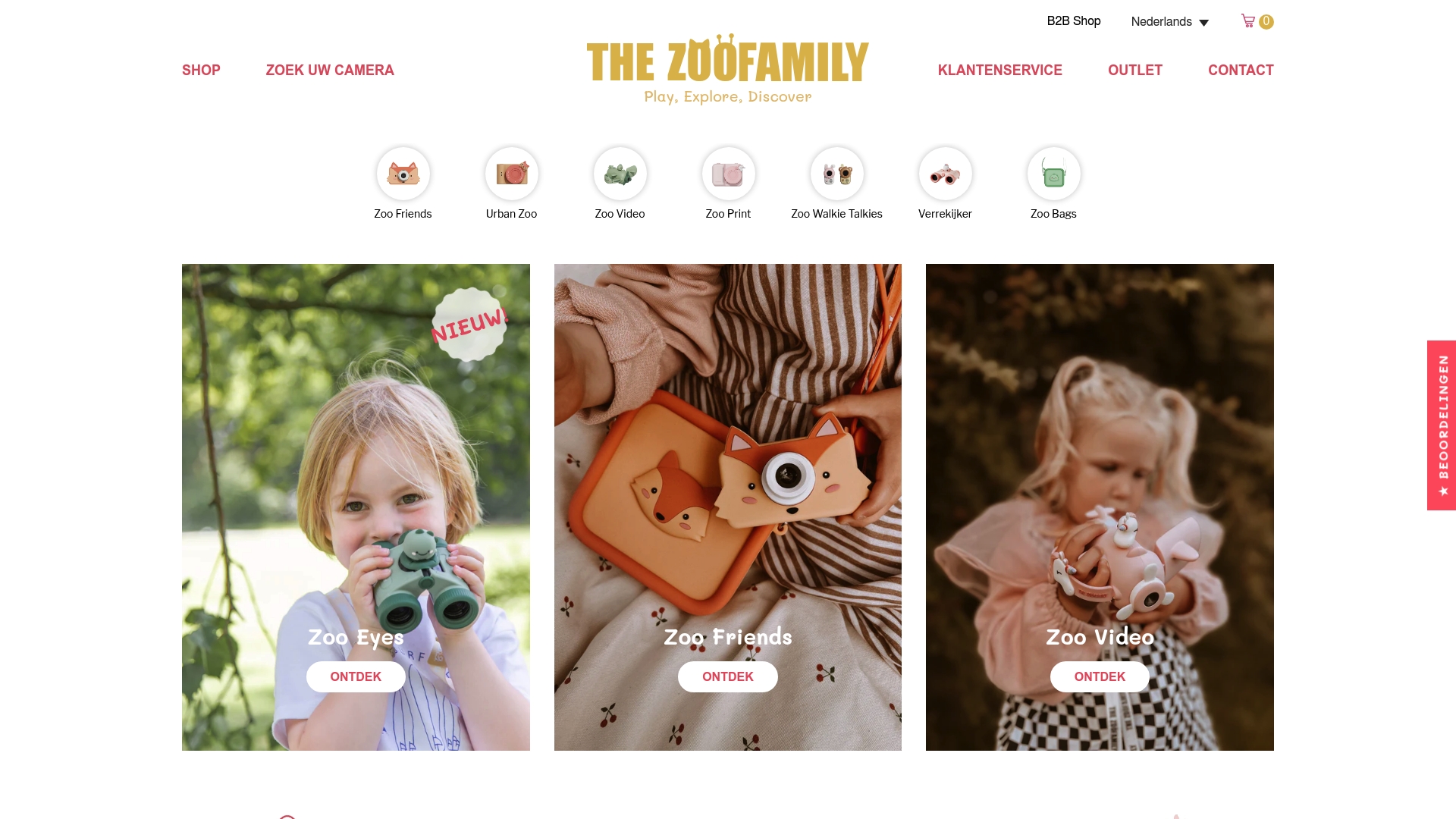
Give your kids the tools to continue their environmental adventure with joyful creativity now. Choose products that inspire learning, meaningful play, and a hands-on relationship with the planet by visiting The Zoofamily. Start nurturing young environmental champions today and watch their imagination flourish while helping build a greener future.
For more inspiring family eco activities and ideas to protect the planet together explore our full collection.
Begin your journey towards a more sustainable lifestyle and deeper nature connection at The Zoofamily.
Frequently Asked Questions
How can I involve my children in recycling projects?
Involve your children by selecting fun and engaging recycling projects, such as creating bird feeders from plastic bottles or turning milk cartons into plant pots. Start by gathering the necessary materials together, and demonstrate each step of the process while encouraging their creativity.
What materials can I use for these recycling activities?
You can use various household items for recycling activities, such as plastic bottles, milk cartons, cardboard boxes, egg cartons, and bottle caps. Collect these items in a designated recycling bin at home to make it easier to access them for your projects.
How do I teach my children about the importance of recycling?
Teach your children about recycling by explaining how it reduces waste and benefits the environment. Discuss how their creative projects can help wildlife or promote sustainability, ensuring they understand the connection between their actions and ecological benefits.
What are some simple art projects using recycled materials?
Simple art projects with recycled materials include making mosaic wall art with bottle caps, creating decorative picture frames from old cardboard, or crafting sculptures. Gather the materials, and let your children explore their artistic abilities by designing and building their masterpieces.
How can I create a fun recycling game for my family?
You can create fun recycling games by organising a sorting race where family members compete to correctly categorise recyclable materials in a set time. Set clear rules and encourage friendly competition to make it enjoyable while educating everyone about proper recycling practices.
What benefits do children gain from participating in these recycling activities?
Children gain valuable skills such as creativity, responsibility, and an understanding of environmental stewardship from participating in recycling activities. Encourage them to observe the results of their efforts, fostering a sense of achievement and a deeper connection to nature.
Recommended
- Comment protéger la planète au quotidien avec ses enfants – The Zoofamily
- Understanding Eco Friendly Routines for Modern Families – The Zoofamily
- Bricolages avec coquillages : Créez des cadeaux uniques pour enfants – The Zoofamily
- Making Learning Fun: Engaging Activities for Your Kids – The Zoofamily