

Every parent faces the challenge of designing a backyard that truly supports their children’s imagination and growth. For eco-conscious families in France and Germany, creating a natural playground is about more than play — it means blending sustainability with opportunities for creative discovery. This guide reveals innovative natural playground ideas that transform your outdoor space into a safe, engaging haven, encouraging your children to connect with nature every day.
Table of Contents
- Step 1: Assess Your Backyard Space And Needs
- Step 2: Source Sustainable Natural Materials Locally
- Step 3: Design Natural Play Zones For Creative Fun
- Step 4: Build Engaging Features Such As Log Balance Beams
- Step 5: Enhance And Test Safety For Peace Of Mind
- Step 6: Celebrate Outdoor Play And Observe Nature Connection
Quick Summary
| Key Insight | Explanation |
|---|---|
| 1. Assess Your Backyard Space | Measure and sketch your backyard to understand play zones and safety requirements for children. |
| 2. Source Local, Sustainable Materials | Use natural resources from your area to create an eco-friendly playground that connects children with their environment. |
| 3. Design Flexible Play Zones | Create various play areas that accommodate different activities and foster creativity and exploration in children. |
| 4. Build Safe and Engaging Features | When constructing features like log balance beams, ensure they are stable and safe for children of different abilities. |
| 5. Continuously Test for Safety | Perform regular inspections of the playground to identify hazards and maintain a secure environment for children’s play. |
Step 1: Assess your backyard space and needs
Before transforming your backyard into a natural playground, you’ll need to conduct a careful assessment of your available space and your children’s play requirements. Understanding the nuanced details will help create an engaging and safe outdoor play environment.
Start by physically measuring your backyard and creating a simple sketch or diagram. Consider the total area and how different zones might accommodate various play activities. Playground design research suggests evaluating several critical factors during this assessment:
- Total square metreage available for playground installation
- Current landscape features like trees, slopes, or existing garden areas
- Sun exposure and potential shade locations
- Ground surface variations and drainage conditions
Next, think about the anticipated age range and number of children who will use the space. Younger children require different play elements compared to older kids. Consider safety considerations such as potential hazards, accessibility, and environmental learning opportunities.
A well-designed natural playground adapts to children’s developmental stages and encourages creative, unstructured play.
While assessing, observe how natural light moves across your garden throughout the day. Identify potential areas for sensory exploration, movement, and imaginative play. Look for natural features like gentle slopes, rock formations, or existing vegetation that could become integrated play elements.
Professional advice: Photograph your backyard from multiple angles to help visualise potential playground layouts and discuss design possibilities with family members.
Step 2: Source sustainable natural materials locally
Creating a natural playground requires thoughtful selection of materials that are both environmentally responsible and engaging for children. Your goal is to find local, sustainable resources that support learning, play, and ecological harmony.
Start by exploring your local landscape and understanding what natural materials are readily available. Sustainable landscaping practices emphasise using indigenous resources that support local ecosystems. Consider investigating these potential material sources:
- Local woodland areas with fallen branches and logs
- Community gardens or parks with surplus natural materials
- Local tree surgeons or landscaping businesses
- Nearby farms or agricultural spaces
- Reclaimed timber yards or sustainable woodworking shops
Understand the importance of using materials native to your region. Natural learning initiatives recommend selecting elements that not only provide play opportunities but also connect children with their immediate environmental context.
Sustainable material sourcing transforms playground design from a construction project into an ecological learning experience.
When collecting materials, always obtain proper permissions and ensure the items are safe, untreated, and free from potential hazards like sharp edges, rot, or pest infestations. Look for sturdy, naturally weathered items that can withstand outdoor conditions and provide interesting sensory experiences.
Compare potential material sources for sustainability and play value:
| Source Type | Environmental Impact | Play Value Examples |
|---|---|---|
| Local Woodland | Very low, supports habitat | Branches for den-building |
| Community Gardens | Low, supports local reuse | Stones for borders |
| Landscaping Firms | Medium, may need transport | Logs for balance beams |
| Reclaimed Timber | Low, diverts waste | Planks for platforms |
| Local Farms | Low, fosters partnerships | Stumps, straw bales |
Professional advice: Contact local environmental organisations or woodland management groups who might offer surplus natural materials perfect for children’s play spaces.
Step 3: Design natural play zones for creative fun
Creating engaging natural play zones requires thoughtful planning that transforms your backyard into an imaginative landscape where children can explore, learn, and play. The key is designing flexible spaces that adapt to children’s evolving creativity and developmental stages.
Playground design principles emphasise creating multi-functional areas that encourage diverse play experiences. Consider developing different zones with distinct purposes:
- Sensory exploration zones with varied textures and natural materials
- Climbing and movement areas using logs, rocks, and gentle slopes
- Creative construction spaces with loose parts like branches and stones
- Quiet reflection corners with comfortable natural seating
- Social interaction zones that support collaborative play
Each zone should offer open-ended play opportunities that invite imagination. Integrate natural elements strategically to create dynamic landscapes that change with seasons and children’s growing skills.
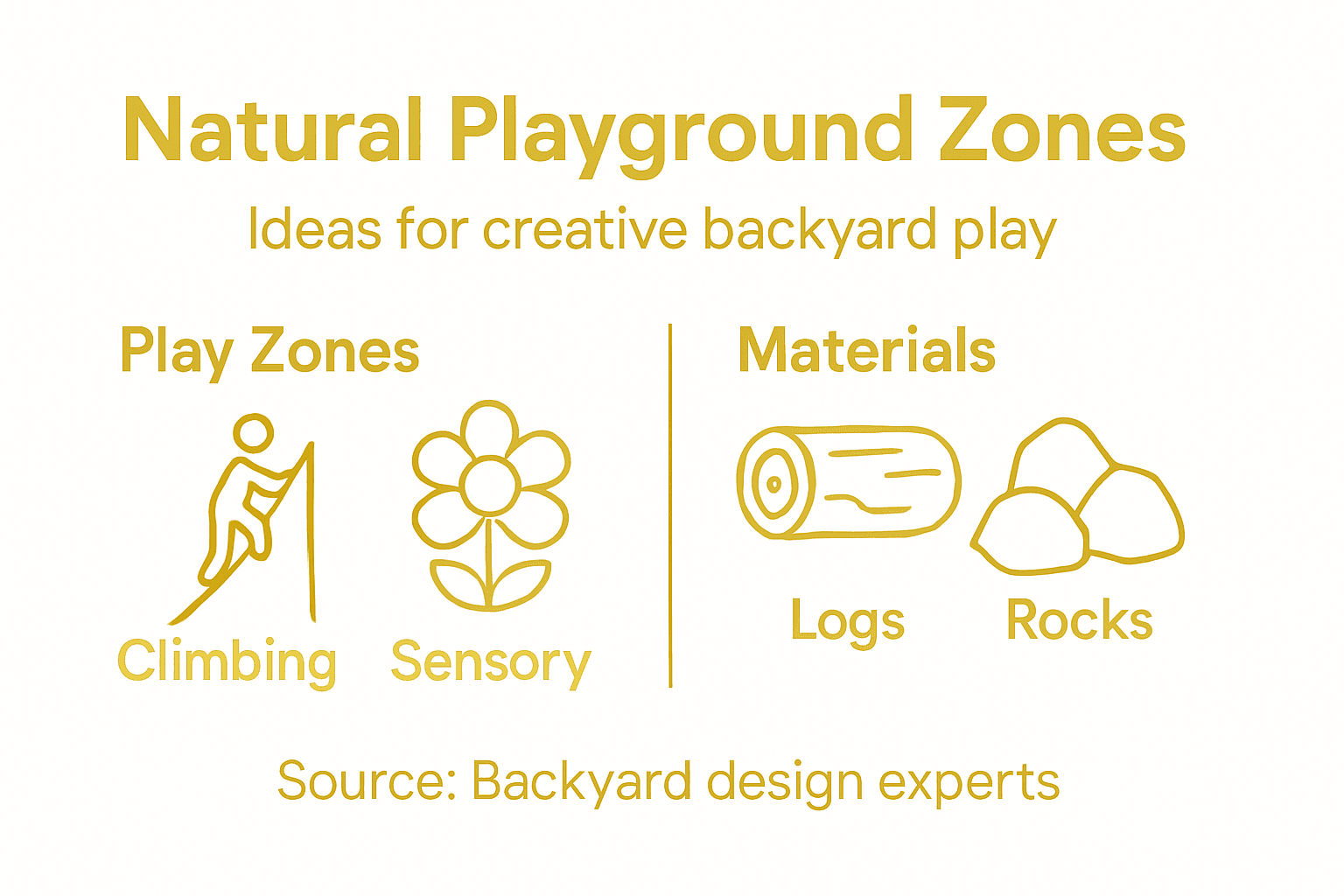
Here’s how common natural playground zones contribute to child development:
| Play Zone Type | Primary Benefits | Example Features |
|---|---|---|
| Sensory Exploration | Enhances fine motor and curiosity | Sand, textured paths |
| Climbing & Movement | Builds strength and coordination | Log steps, small boulders |
| Creative Construction | Fosters problem-solving and teamwork | Branch piles, movable stones |
| Quiet Reflection | Supports emotional regulation | Secluded benches, willow hut |
| Social Interaction | Encourages communication and sharing | Gathering rings, log circles |
Natural play environments are living, breathing spaces that evolve with children’s creativity and curiosity.
Pay attention to safety while maintaining the organic feel. Ensure ground surfaces are soft, materials are securely positioned, and potential hazards are minimised. Playground design resources recommend using local, sustainable materials that blend seamlessly with the existing landscape.
Professional advice: Involve children in the design process to create play zones that truly spark their imagination and sense of wonder.
Step 4: Build engaging features such as log balance beams
Transforming natural materials into playful elements requires creativity, safety awareness, and a touch of engineering skill. Log balance beams offer children an exciting opportunity to develop gross motor skills, balance, and confidence while exploring their physical capabilities.
Natural playground construction emphasises creating features that challenge and inspire children. When building log balance beams, consider these essential steps and considerations:
- Select appropriate logs with minimal rot or structural weakness
- Prepare stable ground with level, well-drained surfaces
- Remove potential hazards like sharp branches or loose bark
- Secure logs firmly using appropriate ground anchoring techniques
- Create varied height and difficulty levels to suit different ages
Choose hardwood logs like oak or maple that provide durability and natural resistance to decay. Ensure logs are completely stripped of loose bark and potentially dangerous protrusions before installation.
A well-constructed log balance beam becomes more than just a play feature - it’s an invitation to adventure and physical exploration.
Pay careful attention to installation techniques. Playground design resources recommend using professional-grade ground anchors or embedding logs deeply to prevent shifting. Consider adding soft ground cover like wood chips or rubber mulch around the balance beam to cushion potential falls.
Professional advice: Always test the stability and strength of log balance beams personally before allowing children to use them, checking for any potential movement or weakness.
Step 5: Enhance and test safety for peace of mind
Ensuring the safety of your natural playground is paramount. Your careful attention to detail will create a secure environment where children can explore, play, and learn without unnecessary risks.
Playground safety standards emphasise comprehensive and regular inspection of play areas. Develop a systematic approach to safety testing that covers multiple critical aspects:
- Inspect natural materials for splinters, rot, or structural weaknesses
- Check ground surfaces for adequate cushioning and drainage
- Verify secure anchoring of all play structures
- Examine spacing between elements to prevent entrapment
- Test stability of balance beams and climbing features
Conduct daily visual inspections to identify potential hazards quickly. Look for signs of wear, damage, or environmental changes that might compromise the playground’s safety.
Safety is not a one-time effort, but a continuous commitment to children’s well-being and joy.
Playground design guidelines recommend creating fall zones around elevated structures and ensuring all materials meet recognised safety standards. Pay special attention to edges, surfaces, and potential pinch points that could cause injury.
Professional advice: Keep a written safety log documenting each inspection, noting any repairs or modifications to track the playground’s condition over time.
Step 6: Celebrate outdoor play and observe nature connection
Your natural playground is more than just a physical space - it’s an invitation for children to explore, discover, and develop a profound connection with the natural world. The magic happens when you shift from simply supervising to actively engaging and celebrating their outdoor experiences.
Outdoor play strategies emphasise creating opportunities for meaningful nature interactions. Consider developing observation practices that nurture children’s curiosity and wonder:
- Create nature journals for documenting discoveries
- Establish quiet observation times in different playground zones
- Encourage sensory exploration of textures, sounds, and movements
- Ask open-ended questions about natural phenomena
- Rotate play areas to maintain ongoing interest and discovery
Embrace spontaneous learning moments by following children’s natural interests. Watch how they interact with different elements - a fallen log might become a bridge, a balance beam, or a habitat exploration zone.
Children’s play is a language of discovery, where every interaction tells a story of curiosity and connection.
Developmental outdoor learning suggests supporting children’s risk-taking and emotional resilience through thoughtful engagement. Allow them space to explore independently while maintaining a supportive presence.
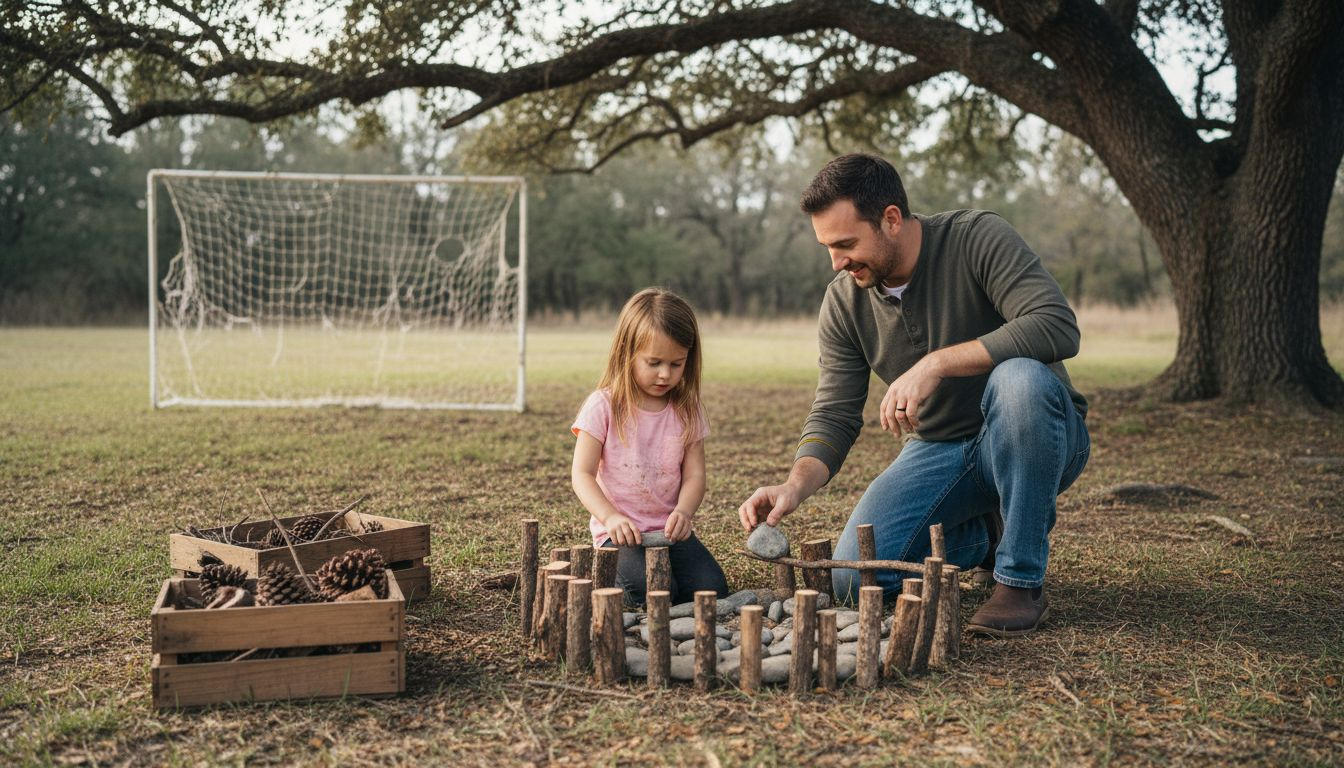
Professional advice: Photograph or briefly document children’s unique play interactions to understand their developing relationship with nature.
Turn Your Backyard Into a Magical Learning Adventure
Designing a natural playground involves thoughtful planning, sourcing sustainable materials, and creating play zones that ignite imagination and connection with nature. We understand the challenge of fostering a safe, creative outdoor space that encourages children to explore and build deep bonds with the environment. Key goals like sensory exploration, physical movement, and imaginative construction call for tools that inspire curiosity and engagement alongside the natural elements.
With The Zoofamily, you can enrich your backyard adventures with our specially designed kids’ cameras, walkie-talkies, and binoculars that spark a love for nature and play. Our animal-themed tech invites children to observe, document, and share their outdoor discoveries, perfectly complementing the natural play zones you create. Together, these tools and your thoughtful playground design nurture a child’s creativity, emotional growth, and natural curiosity while supporting environmental stewardship.
Discover how easy and rewarding it is to blend imaginative play with meaningful nature connections. Explore The Zoofamily today and take the next exciting step in celebrating outdoor play and ecological wonder.
Build a closer connection between your children and the planet by choosing gear that supports creative exploration and raises environmental awareness. Visit The Zoofamily and start your backyard transformation now.
Frequently Asked Questions
How can I assess my backyard for a natural playground?
To assess your backyard, measure the total area and create a simple sketch. Take note of existing landscape features, sun exposure, and any potential hazards to design an engaging and safe outdoor play environment.
What sustainable materials can I use for building a natural playground?
Explore local sources for sustainable materials such as fallen branches, logs from nearby woodlands, or reclaimed timber. Ensure these materials are untreated and safe for children to use in their play areas.
How can I design different play zones in my backyard?
Design distinct play zones by creating multisensory areas, climbing features, and spaces for creative construction. Use materials that inspire imaginative play, such as logs for climbing and textured pathways for exploration.
What safety measures should I take when building a natural playground?
Conduct regular inspections of all play areas to check for splinters, secure anchoring, and adequate ground cushioning. Maintain a written safety log to track any issues and ensure a safe environment for children.
How can I encourage children to engage with nature while playing?
Encourage meaningful interactions with nature by creating nature journals and establishing observation times. Ask open-ended questions about their discoveries to stimulate curiosity and foster a connection to the environment.
Recommended
- 7 idées goûter nature enfants pour éveiller leur curiosité – The Zoofamily
- 7 idées goûter nature enfants pour éveiller leur curiosité – The Zoofamily
- 7 top livres enfants nature pour éveiller l’écologie – The Zoofamily
- Aventure Nocturne Nature : Éveiller L’écologie chez l’Enfant – The Zoofamily
- How to Avoid Overwatering With Sprinklers and Keep Your Garden Healthy