

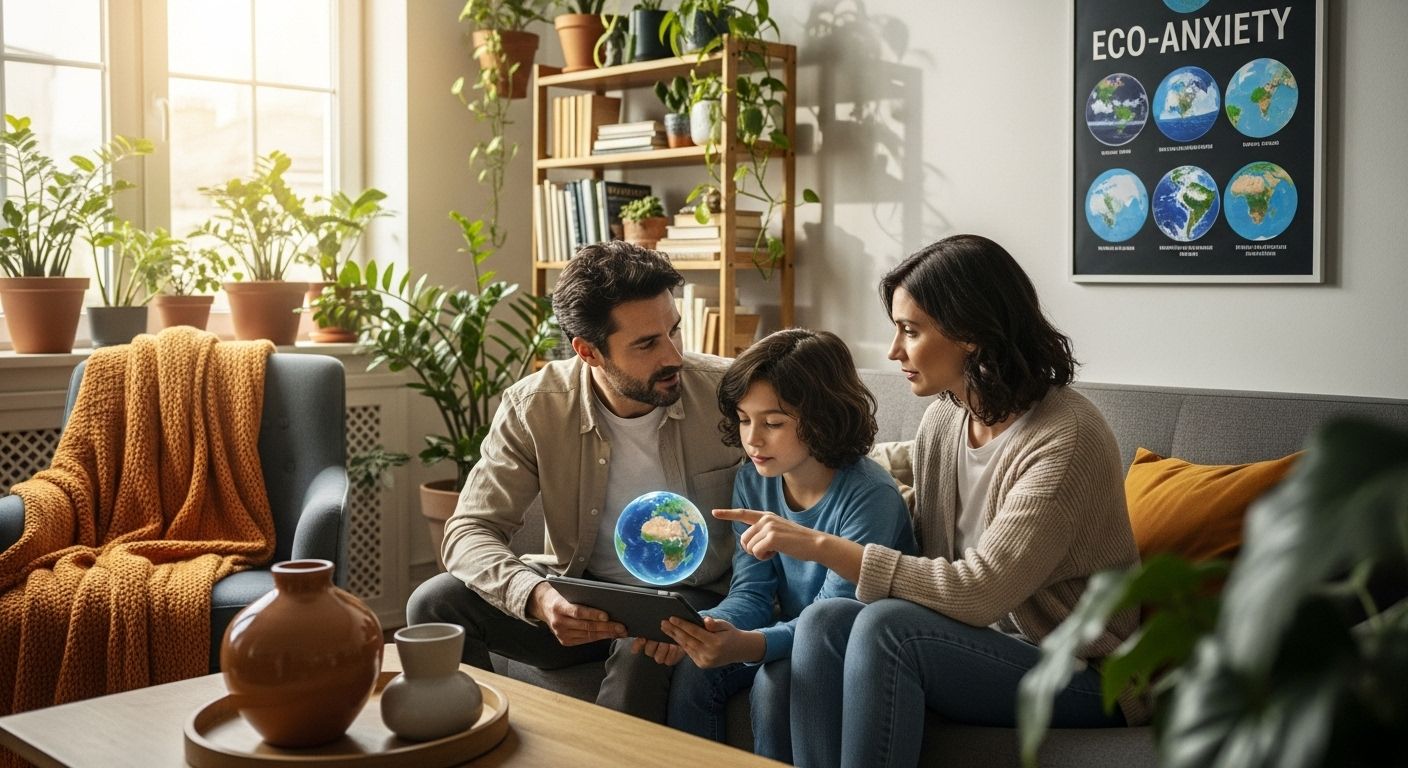
Eco anxiety has become a real concern as more people face overwhelming worry about the planet’s future. Nearly 59% of young people now experience significant distress linked to climate change, which is a fact that cannot be ignored. However, feeling anxious about our environment is not just a personal burden, it is actually sparking a powerful movement for action and change.
Table of Contents
- Defining Eco Anxiety: Understanding The Concept
- The Emotional Impact Of Eco Anxiety On Parents
- Why Eco Anxiety Matters For Future Generations
- Exploring The Causes Of Eco Anxiety
- Coping With Eco Anxiety: Building Resilience
Quick Summary
| Takeaway | Explanation |
|---|---|
| Eco anxiety signifies deep environmental concern | It arises from awareness of climate change and ecological challenges affecting personal and global futures. |
| Parents experience unique eco anxiety | This anxiety involves fear about environmental stability and the impact on their children’s future well-being. |
| Transform anxiety into proactive engagement | Individuals can convert their worry into positive actions like advocacy, education, and sustainable practices. |
| Young generations drive environmental consciousness | Increasing eco anxiety among youth prompts creative solutions and collective action for ecological change. |
| Build resilience through community support | Connecting with others and developing coping strategies helps manage eco anxiety while fostering hope. |
Defining Eco Anxiety: Understanding the Concept
Eco anxiety represents a profound psychological response to the overwhelming environmental challenges facing our planet. This complex emotional state emerges from growing awareness about climate change, environmental degradation, and potential ecological disasters.
The Psychological Landscape of Environmental Concern
At its core, eco anxiety describes an intense worry and emotional distress specifically related to environmental problems. Unlike general anxiety, this condition is rooted in genuine concerns about planetary health and future sustainability. Research from Frontiers in Psychology indicates that the phenomenon has gained significant recognition within psychological circles, reflecting a broader societal understanding of environmental psychological impacts.
Key characteristics of eco anxiety include:
- Persistent feelings of helplessness about environmental changes
- Chronic worry about potential ecological disasters
- Deep emotional connection to global environmental challenges
- Heightened sense of personal responsibility for planetary well-being
Origins and Emotional Dynamics
The roots of eco anxiety trace back to increased scientific evidence about climate change and its potential catastrophic consequences. Individuals experiencing this condition often feel a complex mix of grief, anger, and profound concern about the planet’s future. These emotions are particularly intense among younger generations who anticipate inheriting significant environmental challenges.
While eco anxiety can be emotionally overwhelming, it also represents a form of heightened environmental consciousness. Read more about understanding eco friendly routines that can help transform these anxious feelings into constructive action. By channeling emotional energy into practical environmental engagement, individuals can transform their anxiety into meaningful ecological contribution.
Ultimately, eco anxiety is not just a personal emotional experience but a collective psychological response reflecting humanity’s growing awareness of our intricate relationship with the natural world. It signals a deeper recognition that individual actions and global environmental policies are fundamentally interconnected.

The Emotional Impact of Eco Anxiety on Parents
Parents today face a unique psychological challenge as they navigate the complex emotional landscape of environmental concerns while trying to protect and nurture their children. Eco anxiety among parents represents a profound emotional experience that extends beyond personal worry into deep concern for their children’s future.
Understanding Parental Environmental Stress
Parental eco anxiety manifests as an intense emotional response to environmental challenges, characterized by a persistent fear about the world their children will inherit. According to UNICEF, climate change impacts nearly every aspect of a child’s potential future, creating significant psychological pressure for parents who feel responsible for protecting their children from emerging environmental risks.
Key emotional dimensions of parental eco anxiety include:
- Overwhelming concern about future environmental stability
- Feelings of helplessness regarding global ecological challenges
- Persistent worry about children’s potential quality of life
- Guilt about potential environmental consequences
Transforming Anxiety into Positive Action
While eco anxiety can feel paralyzing, parents have a powerful opportunity to transform these emotions into constructive environmental engagement. Learn about protecting the planet with your children by developing sustainable family practices that address environmental concerns proactively.
By channeling their anxiety into educational conversations, sustainable lifestyle choices, and active environmental participation, parents can simultaneously manage their emotional stress and empower their children. This approach helps children develop resilience, environmental consciousness, and practical skills for addressing ecological challenges.
Ultimately, parental eco anxiety reflects a deep, compassionate commitment to planetary well-being. It represents not just a personal emotional experience, but a collective recognition of our interconnected relationship with the environment and our responsibility to future generations.
Why Eco Anxiety Matters for Future Generations
Eco anxiety transcends individual emotional experiences, representing a critical psychological indicator of generational environmental awareness and potential societal transformation. Understanding its significance reveals profound implications for how younger generations perceive, engage with, and respond to environmental challenges.
Psychological Resilience and Environmental Awareness
Research from The Lancet Planetary Health highlights a global trend demonstrating that young people are experiencing unprecedented levels of environmental concern. A comprehensive study involving 10,000 participants across multiple countries revealed that 59% of young individuals experience significant worry about climate change, signaling a transformative shift in generational environmental consciousness.
Key indicators of eco anxiety’s generational impact include:
- Heightened environmental awareness and proactive engagement
- Development of advanced critical thinking about planetary challenges
- Increased motivation for sustainable lifestyle choices
- Potential for innovative environmental problem solving
Transforming Emotional Response into Collective Action
While eco anxiety might initially appear negative, it represents a powerful catalyst for generational change. Young people are increasingly viewing environmental challenges not as insurmountable obstacles, but as opportunities for collective transformation. Discover how to care for our planet with future generations in mind and understand the potential for positive environmental engagement.
The emotional intensity of eco anxiety drives younger generations to develop creative solutions, advocate for systemic changes, and reimagine sustainable living practices. By channeling emotional concern into constructive action, these generations are laying the groundwork for more environmentally conscious societal structures.
Ultimately, eco anxiety matters because it represents more than individual emotional experience—it is a collective signal of generational commitment to planetary well-being, reflecting a profound understanding that environmental challenges require innovative, collaborative responses.
Exploring the Causes of Eco Anxiety
Eco anxiety emerges from a complex intersection of environmental, psychological, and social factors that collectively shape an individual’s perception of planetary health and future sustainability. Understanding these root causes provides critical insight into why growing numbers of people experience this profound emotional response.
The Informational Landscape of Environmental Concern
Research published in Current Psychiatry Reports reveals that eco anxiety stems from multiple interconnected sources. The constant exposure to scientific reports, media coverage of environmental disasters, and increasing awareness of climate change risks create a persistent psychological backdrop of environmental uncertainty.
Key contributing factors to eco anxiety include:
- Continuous media coverage of extreme weather events
- Scientific reports highlighting accelerating environmental degradation
- Personal experiences of climate-related disruptions
- Generational awareness of long-term planetary challenges
Psychological and Social Dimensions
The roots of eco anxiety extend beyond mere information consumption. They reflect deeper psychological responses to perceived threats against planetary stability. Young people and communities in vulnerable regions often experience more intense eco anxiety due to their heightened sense of potential future risks.
Learn about understanding eco friendly routines that can help transform environmental concerns into constructive actions. By developing practical approaches to environmental engagement, individuals can mitigate the overwhelming emotions associated with eco anxiety.
Individuals experiencing eco anxiety often feel a profound sense of personal responsibility coupled with a simultaneous feeling of powerlessness. This emotional paradox creates psychological tension, driving the complex emotional landscape of environmental concern. The anxiety emerges not just from environmental challenges themselves, but from the perceived inadequacy of current global responses to these critical issues.
Coping with Eco Anxiety: Building Resilience
Coping with eco anxiety requires a multifaceted approach that transforms overwhelming environmental concern into constructive emotional and practical responses. By developing targeted strategies, individuals can manage their ecological distress while maintaining psychological well-being and contributing meaningfully to environmental solutions.
Emotional Management and Support
Research from the National Institutes of Health emphasizes the importance of developing emotional resilience when addressing eco anxiety. Recognizing and validating one’s environmental concerns while preventing them from becoming paralyzing is crucial for maintaining mental health and personal effectiveness.
Key emotional coping strategies include:
- Practicing mindfulness and meditation techniques
- Acknowledging feelings without judgment
- Seeking professional mental health support
- Connecting with like-minded environmental communities
Transforming Anxiety into Constructive Action
Rather than allowing eco anxiety to generate helplessness, individuals can channel these emotions into meaningful environmental engagement. Learn about protecting the planet with your children and discover how practical actions can transform emotional energy into positive change.
Constructive approaches involve developing personal and collective strategies that provide a sense of agency. This might include participating in local environmental initiatives, making sustainable lifestyle choices, supporting ecological policies, or educating oneself and others about environmental challenges.
Ultimately, building resilience against eco anxiety involves creating a balanced perspective that acknowledges environmental challenges while maintaining hope and motivation for collective positive change. By integrating emotional awareness, community support, and practical action, individuals can transform eco anxiety from a source of distress into a powerful catalyst for personal and planetary transformation.
The following table summarises the main emotional characteristics and coping strategies for eco anxiety as described in the article:
| Characteristic / Strategy | Description |
|---|---|
| Persistent Feelings of Helplessness | Ongoing sense of being unable to effect change in face of ecological crises |
| Chronic Worry | Constant concern about environmental and planetary futures |
| Emotional Connection to Global Challenges | Deep personal identification with environmental issues |
| Mindfulness and Meditation | Practising present awareness to manage overwhelming emotions |
| Connecting with Communities | Seeking support with like-minded groups to foster resilience |
| Transformative Action | Converting anxiety into advocacy, education, or sustainable practices |
| Professional Support | Seeking psychological help when necessary |

Transform Eco Anxiety Into Positive Action With The Zoofamily
Are you worried about your child’s future in a changing world? Eco anxiety can feel overwhelming, especially when you want to inspire hope and resilience in your family. The article highlighted the emotional toll of eco anxiety, including persistent worry, helplessness and a desire to take meaningful action. If this feels familiar, you are not alone, and small steps can make a difference.
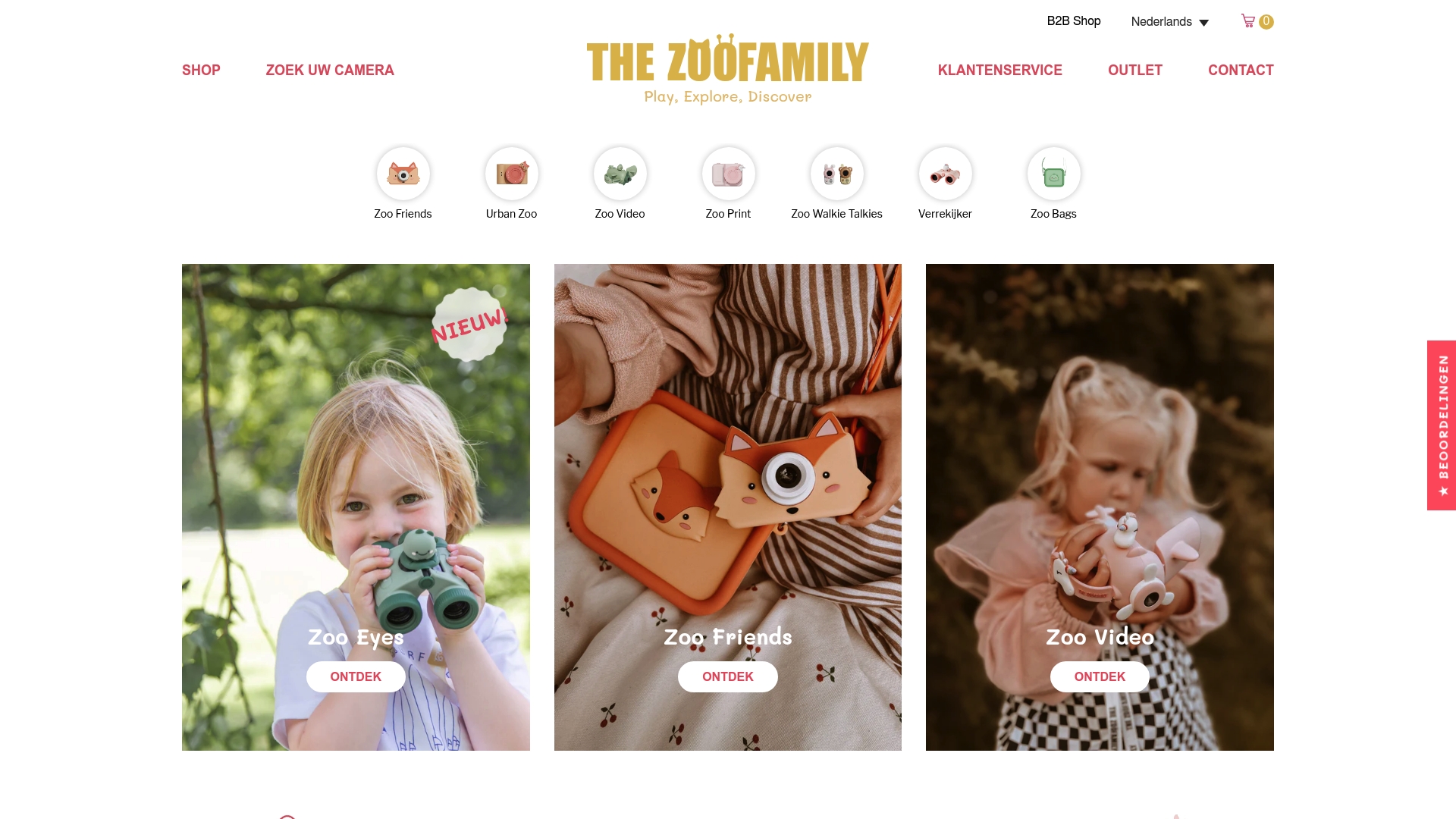
Bring curiosity and environmental awareness to your daily life with The Zoofamily. Our creative kids’ cameras, walkie-talkies and binoculars are designed with nature and animal references to spark your child’s love for the planet. For every camera sold, we plant one tree, making your choice deliver a real environmental impact. Why wait? Discover how you and your family can start building new eco friendly routines and nurture lifelong care for the earth at The Zoofamily. Join us in turning anxiety into inspiration and connection for generations to come.
Frequently Asked Questions
What is eco anxiety?
Eco anxiety refers to a deep emotional response to environmental challenges such as climate change and ecological degradation. It manifests as persistent worry, distress, and feelings of helplessness about the future of the planet.
What are the main causes of eco anxiety?
The primary causes of eco anxiety include constant exposure to media coverage of environmental crises, scientific reports on climate change, personal experiences of ecological disruption, and an overwhelming sense of responsibility for the planet’s future.
How does eco anxiety differ from general anxiety?
While general anxiety can be about a variety of personal concerns, eco anxiety specifically relates to worries about environmental issues, reflecting emotional distress rooted in genuine concerns for planetary health and future sustainability.
Below is a comparison table highlighting the key differences between eco anxiety and general anxiety based on their definitions and characteristics mentioned in the article:
| Aspect | Eco Anxiety | General Anxiety |
|---|---|---|
| Focus | Environmental issues (e.g. climate change, ecological crisis) | Personal or diverse life concerns |
| Root Cause | Genuine worries for planetary health and future sustainability | Various life stressors |
| Emotional Features | Persistent worry, distress, helplessness about the planet | Worry, fear, or panic over varied subjects |
| Societal Recognition | Increasingly recognised within psychological and societal circles | Broadly acknowledged |
| Typical Triggers | Media coverage, scientific reports, personal eco experiences | Work, relationships, health, finances |
What can individuals do to cope with eco anxiety?
To cope with eco anxiety, individuals can practice mindfulness, seek professional support, connect with supportive communities, and transform their feelings into constructive actions, such as participating in environmental initiatives or adopting sustainable practices.