

Tracking child development can feel like solving a puzzle with countless pieces. For many british families, finding reliable methods to document growth matters not just for peace of mind, but also for early identification of important health or learning needs. Over 90 percent of paediatricians recommend regular growth monitoring, yet most parents remain unsure which tools to trust. This guide brings clarity to the many options and gives parents practical ways to understand and record each stage of their child’s progress.
Table of Contents
- Defining Child Growth Documentation Methods
- Types of Growth Milestones to Track
- Tools and Creative Approaches for Parents
- Balancing Privacy and Safety for Children
- Common Mistakes and What to Avoid
Key Takeaways
| Point | Details |
|---|---|
| Importance of Growth Documentation | Monitoring a child’s growth involves systematic tracking of physical and developmental progress using standardised measurement techniques. |
| Understanding Developmental Milestones | Parents should be aware of key physical, cognitive, and social-emotional milestones to effectively observe their child’s growth. |
| Utilising Innovative Tools | Engaging approaches such as digital milestone trackers and creative documentation can make growth monitoring enjoyable and informative. |
| Maintaining Privacy | Parents must ensure sensitive developmental information is shared responsibly, prioritising their child’s digital privacy and future autonomy. |
Defining Child Growth Documentation Methods
Tracking your child’s growth involves more than simply recording height and weight. Child growth documentation is a systematic approach healthcare professionals and parents use to monitor physical and developmental progress through specialised measurement techniques and observation tools. Growth charts represent one of the most crucial methods for understanding a child’s developmental trajectory.
Growth documentation typically encompasses several key measurement strategies. According to Wikipedia’s Growth Chart entry, healthcare providers compare parameters like:
- Height measurements
- Weight progression
- Head circumference development
- Body mass index (BMI) tracking
Beyond physical measurements, developmental assessment plays an equally significant role. The Gesell Developmental Schedules provide a comprehensive framework for evaluating children’s progress across multiple domains. These schedules focus on systematically observing a child’s cognitive, language, motor, and social-emotional responses to understand their developmental stage.
Successful child growth documentation requires consistent, structured recording. Parents should collaborate with healthcare professionals to establish a reliable tracking system, utilising standardised tools and maintaining detailed records. Regular assessments help identify potential developmental variations early, ensuring children receive appropriate support and interventions when necessary. By understanding these documentation methods, parents can actively participate in monitoring their child’s unique growth journey.
Types of Growth Milestones to Track
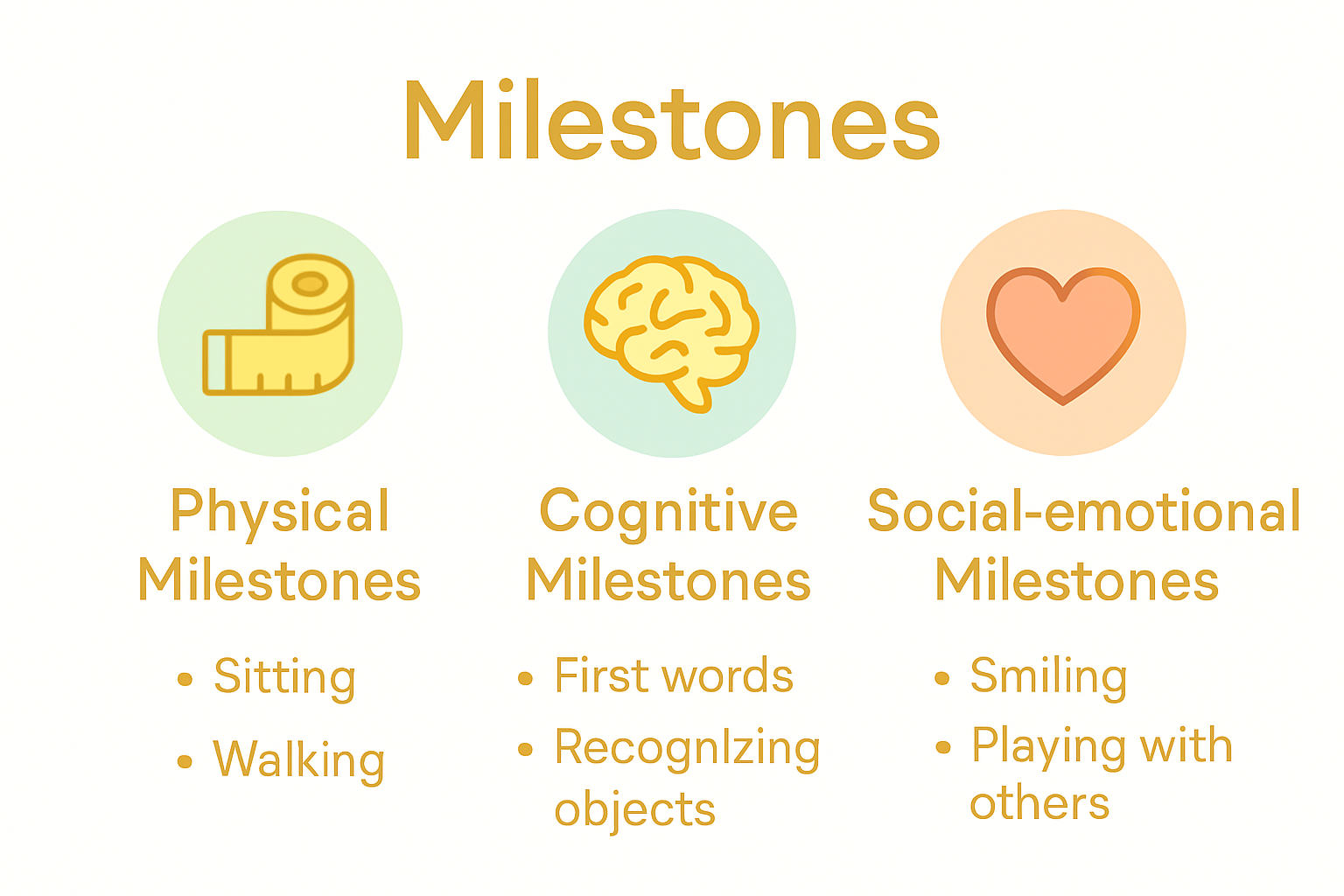
Understanding the diverse range of developmental milestones is crucial for parents seeking comprehensive insights into their child’s growth journey. MedlinePlus defines developmental milestones as specific behaviours or physical skills observed in infants and children as they progress through different stages of development.
Growth milestones can be categorised into several critical domains:
- Physical Milestones
- Rolling over
- Sitting independently
- Crawling
- Walking
- Running and jumping
- Cognitive Milestones
- Recognising colours and shapes
- Problem-solving skills
- Language comprehension
- Memory development
- Basic counting and reasoning
- Social and Emotional Milestones
- Expressing emotions
- Developing empathy
- Making eye contact
- Playing with peers
- Understanding social interactions
According to the Centers for Disease Control, these milestones encompass physical, cognitive, social, and emotional changes. Monitoring tools like checklists and milestone trackers help parents and healthcare professionals observe a child’s progress systematically.
While each child develops uniquely, understanding these milestone categories provides a helpful framework for tracking growth. Parents should remember that milestone achievement occurs within a normal range, and variations are common.
 Regular consultations with paediatric professionals can offer personalised insights into a child’s developmental progression, ensuring early identification of potential support needs.
Tools and Creative Approaches for Parents
Documenting your child’s growth requires innovative and engaging approaches that go beyond traditional tracking methods. The CDC recommends utilising digital tools and creative strategies to make developmental monitoring both informative and enjoyable for parents.
Parents can leverage several effective tools for child growth documentation:
- Digital Milestone Trackers
- Photography and video documentation
- Growth journals and scrapbooks
- Digital apps with tracking features
- Periodic developmental assessment checklists
Creative documentation strategies can transform mundane tracking into memorable experiences. Help Me Grow emphasises the importance of community resources and support systems in helping families document their child’s developmental journey. Consider approaches like creating themed photo albums, recording monthly video diaries, or designing personalised growth charts that capture not just measurements, but the unique personality emerging with each milestone.

Technology offers remarkable opportunities for growth documentation. Parents can now use smartphone apps that provide age-specific milestone information, send reminders for developmental check-ups, and even create shareable digital portfolios of their child’s progress. Making Learning Fun: Engaging Activities for Your Kids can complement these tracking methods, turning documentation into an interactive and enjoyable process that strengthens parent-child connections.
Balancing Privacy and Safety for Children
Digital privacy has become an increasingly critical consideration for parents documenting their child’s growth journey. The CDC emphasises the importance of responsible information sharing, highlighting that sensitive developmental data should be discussed only with trusted healthcare providers.
Key strategies for maintaining child privacy include:
- Limiting social media sharing of developmental information
- Using secure, password-protected digital tracking tools
- Obtaining professional consent before sharing medical records
- Implementing strict privacy settings on digital platforms
- Avoiding oversharing personal developmental milestones publicly
Help Me Grow underscores the critical nature of confidentiality when connecting families with child development specialists. Parents must carefully consider the long-term implications of digital documentation, recognising that information shared today could potentially impact a child’s future digital footprint.
Developing a thoughtful approach to privacy requires ongoing communication and conscious decision-making. Consider creating private digital albums, using anonymised tracking methods, and regularly reviewing what information is being stored and shared. Making Learning Fun: Engaging Activities for Your Kids can provide additional insights into creating meaningful documentation while protecting your child’s personal information and future autonomy.
Common Mistakes and What to Avoid
Parents often encounter pitfalls when documenting their child’s growth, which can lead to unnecessary stress and misinterpretation. MedlinePlus warns that closely monitoring developmental milestones can trigger unwarranted anxiety, especially when parents become overly fixated on precise timelines.
Common documentation mistakes parents should avoid include:
- Comparing children directly to standardised charts
- Panicking about minor developmental variations
- Neglecting professional medical guidance
- Inconsistent or sporadic tracking methods
- Overlooking holistic developmental progress
The CDC emphasises that relying solely on informal observations can result in missed developmental signals. Parents must use validated tracking tools and maintain a balanced perspective, understanding that each child develops uniquely.
Developing a nuanced approach requires patience and professional insight. Making Learning Fun: Engaging Activities for Your Kids suggests focusing on individual progress rather than rigid expectations. Seek guidance from paediatric professionals, maintain comprehensive yet flexible documentation, and celebrate your child’s distinctive developmental journey.
Capture and Celebrate Every Moment of Your Child’s Growth Journey
Documenting your child’s unique growth and development can feel overwhelming when trying to balance precise tracking with creative engagement. This guide highlights the importance of consistent, joyful documentation while protecting privacy and embracing each child’s individual timeline. At The Zoofamily, we understand how crucial it is to combine meaningful growth tracking with imaginative play that inspires curiosity about the natural world.
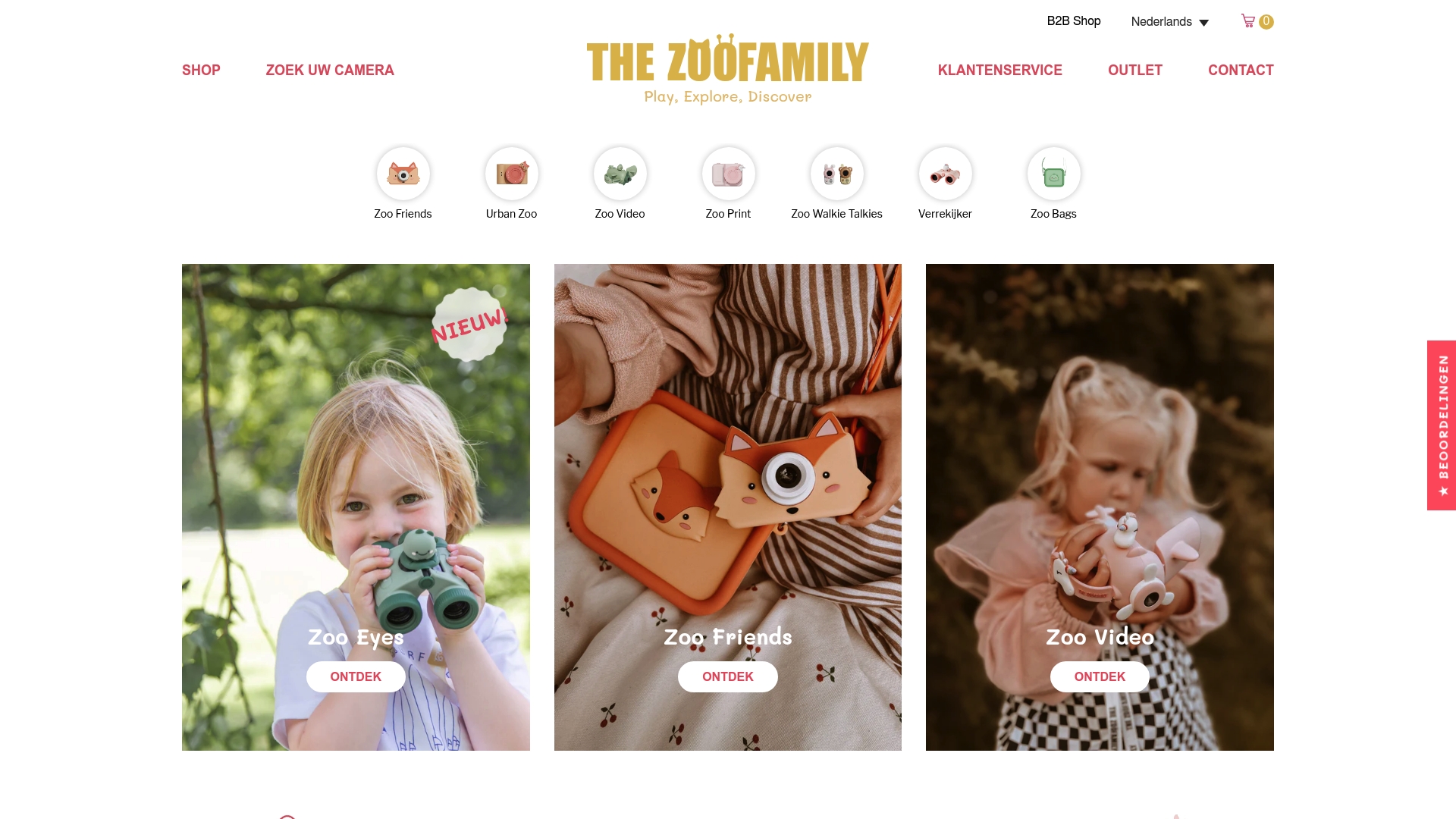
Explore how our specially designed kids’ cameras, walkie-talkies, and binoculars can transform your child’s milestone moments into treasured memories. Our animal-themed products encourage exploration and creativity, making developmental documentation an adventure rather than a chore. Plus, by choosing The Zoofamily, you support a greener future since every camera sold results in a tree planted. Start capturing those precious steps today and nurture your child’s growth with tools that foster connection both to family and nature. Visit The Zoofamily and invest in joyful memory-making now.
Frequently Asked Questions
What are the key methods for documenting child growth?
Child growth documentation primarily involves physical measurements such as height, weight, head circumference, and BMI, along with developmental assessments using tools like the Gesell Developmental Schedules to evaluate cognitive, language, motor, and social-emotional progress.
How can I effectively track my child’s developmental milestones?
You can systematically track your child’s growth milestones by using checklists and milestone trackers, and categorising them into physical, cognitive, and social-emotional domains, which helps monitor their progress effectively.
What tools can parents use for documenting their child’s growth?
Parents can leverage various tools for documenting growth, including digital milestone trackers, photography and video documentation, growth journals, digital apps, and developmental assessment checklists, making the process engaging and informative.
How can I ensure my child’s privacy while documenting growth?
To maintain your child’s privacy, limit social media sharing of developmental information, use secure and password-protected digital tools, obtain consent for sharing medical records, and regularly review privacy settings on digital platforms.