

Tree planting looks simple at first glance and many people see it as just an act of adding greenery to the neighbourhood. What surprises most is a single mature tree can absorb around 48 pounds of carbon dioxide yearly, quietly fighting climate change every single day. Yet the benefits stretch far beyond the environment as tree-rich spaces also improve mental health, bring neighbours together, and even cut crime rates.
Table of Contents
- What Are The Benefits Of Tree Planting?
- Why Tree Planting Is Vital For Our Environment?
- How Tree Planting Improves Community Health?
- Key Concepts Of Tree Planting And Sustainability
- Real-World Examples Of Tree Planting Benefits
Quick Summary
| Takeaway | Explanation |
|---|---|
| Planting trees improves air quality. | Trees absorb pollutants, leading to cleaner air in urban environments, thus benefiting community health. |
| Trees enhance mental wellbeing. | Green spaces reduce stress and anxiety, promoting relaxation and psychological recovery among residents. |
| Strategic planting supports biodiversity. | Native trees create habitats, thus preserving ecological balance and supporting various species in the local ecosystem. |
| Tree cover reduces urban heat impacts. | Dense foliage cools surrounding areas, lowering energy consumption and providing comfort during hot months. |
| Tree planting fosters community engagement. | Green spaces serve as gathering points, enhancing neighbourhood connections and encouraging collective environmental responsibility. |
What are the Benefits of Tree Planting?
Tree planting represents a powerful environmental and personal strategy with profound implications for families and communities. When you engage in tree planting, you are not simply placing a seedling in the ground but participating in a transformative ecological process that yields multiple interconnected benefits.
Environmental Impact and Climate Protection
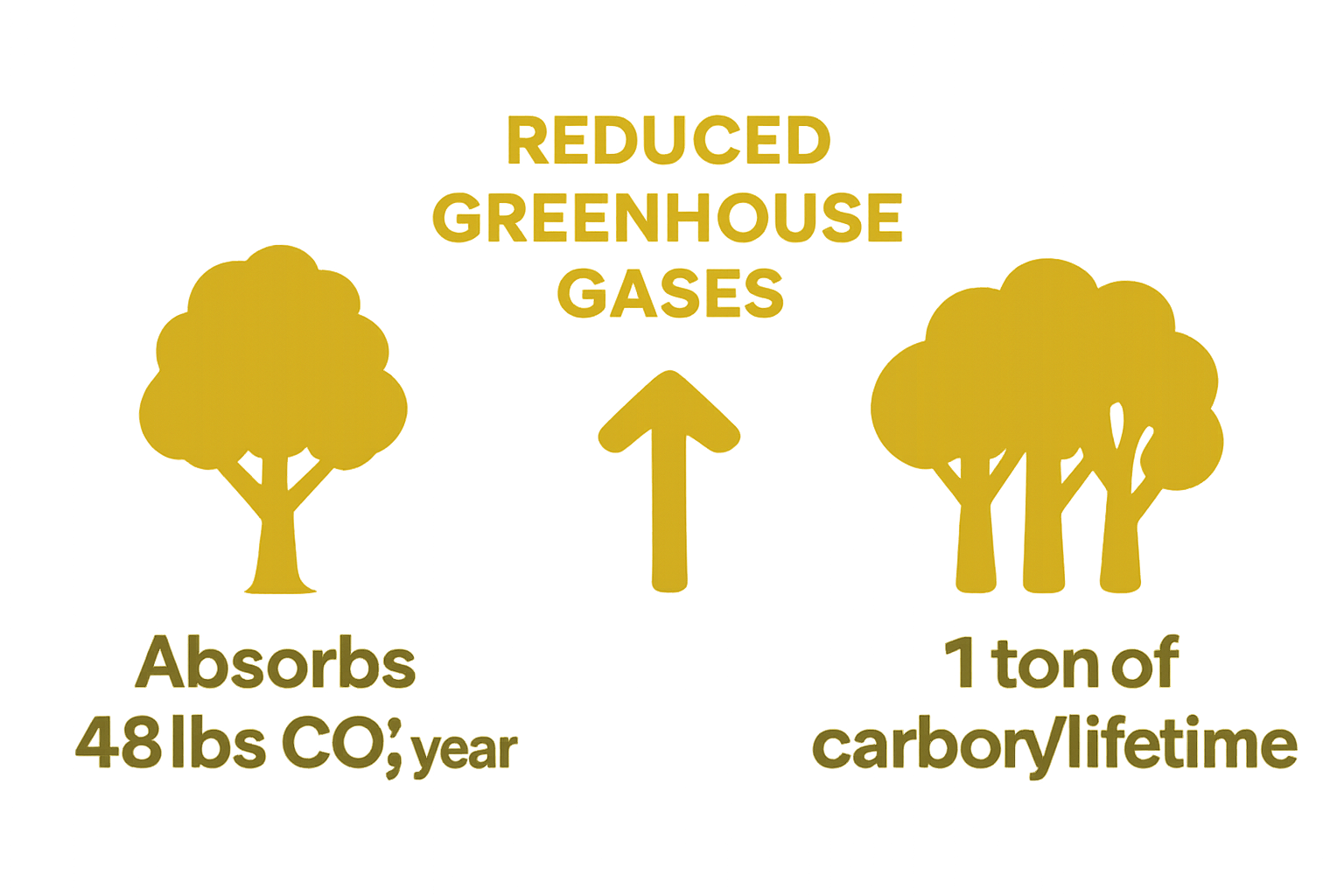
Trees function as nature’s essential carbon capture mechanisms. According to the United States Forest Service, trees absorb significant amounts of carbon dioxide, helping mitigate climate change and regulate atmospheric conditions. A single mature tree can absorb approximately 48 pounds of carbon dioxide per year, making tree planting an accessible yet impactful climate action strategy for families.
The environmental benefits extend beyond carbon sequestration. Trees contribute to:
- Improving local air quality
- Reducing urban heat island effects
- Supporting biodiversity
- Preventing soil erosion
Personal and Community Wellness Benefits
Beyond environmental advantages, tree planting offers substantial personal and community wellness benefits. Green spaces created through strategic tree planting can enhance mental health, reduce stress levels, and create opportunities for outdoor interaction. Trees provide natural cooling through shade, which can decrease energy consumption in residential areas and create more comfortable living environments.
Research from the Arbor Day Foundation highlights that urban areas with robust tree cover experience lower crime rates, increased community engagement, and improved overall quality of life. By planting trees, families contribute not just to environmental restoration but to building healthier, more connected communities.
The table below clarifies the distinct types of benefits provided by tree planting, enabling a straightforward comparison of environmental and community-oriented advantages.
| Benefit Type | Key Features | Example Outcome |
|---|---|---|
| Environmental | Carbon sequestration, air quality improvement, biodiversity support, soil preservation | Lower carbon emissions, cooler temperatures |
| Personal Wellness | Stress reduction, improved mental health, relaxation spaces | Lower anxiety, higher resident satisfaction |
| Community Health | Social connection, communal green spaces, reduced crime rates | Increased social cohesion, safer neighbourhoods |
| Economic | Reduced energy costs, enhanced property values | Lower bills, neighbourhood regeneration |
| Climate Resilience | Heat island mitigation, stormwater management, habitat creation | Less flooding, thriving city wildlife |
Tree planting emerges as a simple yet profoundly meaningful activity. It represents an investment in our planet’s future, offering immediate and long-term benefits that extend far beyond the initial act of placing a seedling in the ground.
Why Tree Planting is Vital for Our Environment?
Tree planting transcends mere landscaping or aesthetic improvements. It represents a critical intervention in preserving ecological balance and addressing global environmental challenges. Understanding the profound significance of trees helps families recognise their potential to contribute meaningfully to environmental sustainability.
Carbon Sequestration and Climate Regulation
According to the Food and Agriculture Organization, forests play a pivotal role in mitigating climate change through carbon storage. Trees act as natural carbon sinks, absorbing and storing substantial quantities of atmospheric carbon dioxide. A mature tree can sequester approximately one ton of carbon during its lifetime, effectively reducing greenhouse gas concentrations and slowing global warming.
The carbon sequestration process involves multiple critical ecological functions:
- Capturing carbon dioxide through photosynthesis
- Storing carbon in tree biomass and surrounding soil
- Reducing atmospheric carbon concentrations
- Mitigating potential climate change impacts
Biodiversity and Ecosystem Preservation
Trees are fundamental to maintaining complex ecological networks. They provide habitats, food sources, and protective environments for numerous species. Diverse tree ecosystems support intricate relationships between plants, insects, birds, and mammals, creating resilient and interconnected biological systems. Read more about caring for our planet and understand how individual actions can contribute to broader environmental preservation.
Beyond supporting wildlife, trees perform essential ecosystem services such as:
For those seeking a reference for the core ecological roles of trees, the following table summarises essential ecosystem services and their impacts as described in the article.
| Ecosystem Service | Description | Impact on Environment |
|---|---|---|
| Carbon Sequestration | Absorption and storage of atmospheric carbon dioxide | Reduces greenhouse gas emissions |
| Soil Erosion Prevention | Roots stabilise soil and reduce loss due to wind or water | Preserves land fertility |
| Water Cycle Regulation | Trees maintain moisture and manage local water flows | Prevents flooding, supports crops |
| Biodiversity Support | Provision of shelter and food for various species | Maintains ecological balance |
| Microclimate Creation | Shading and cooling effects in local areas | Lowers urban heat, saves energy |
- Preventing soil erosion
- Regulating local water cycles
- Maintaining soil fertility
- Creating microclimates that support diverse life forms
Long-Term Environmental Resilience
Tree planting represents an investment in future environmental health. By establishing tree cover, communities develop natural buffers against environmental challenges like extreme temperatures, flooding, and landscape degradation. Each tree planted contributes to a larger strategy of environmental restoration and climate adaptation, transforming local landscapes and supporting global ecological sustainability.
The cumulative impact of tree planting extends far beyond immediate environmental benefits, offering a tangible pathway for families to participate in meaningful ecological conservation.
How Tree Planting Improves Community Health?
Tree planting extends beyond environmental conservation, emerging as a powerful strategy for enhancing community health and social wellbeing. By strategically introducing green spaces, communities can transform their physical and psychological landscapes, creating environments that nurture holistic wellness.
Mental Health and Psychological Restoration
Research from the National Institutes of Health demonstrates that urban areas with robust tree cover significantly improve residents’ mental health outcomes. Green environments act as natural stress reducers, providing peaceful spaces that lower cortisol levels and promote psychological recovery. Trees create tranquil settings that encourage relaxation, mindfulness, and emotional reset.
The psychological benefits of tree-rich environments include:
- Reducing anxiety and depression symptoms
- Promoting emotional calm
- Enhancing cognitive restoration
- Providing natural meditation spaces
Physical Health and Active Lifestyle Promotion
Trees contribute substantially to physical health by creating inviting outdoor spaces that encourage movement and exercise. Shaded walking paths, park areas, and green corridors motivate community members to engage in physical activities, reducing sedentary lifestyle risks. Green infrastructure supports cardiovascular health by providing accessible, attractive environments for walking, cycling, and outdoor recreation.
Additional physical health advantages include:
- Improving air quality
- Reducing urban heat island effects
- Creating natural cooling zones
- Supporting respiratory health
Social Connection and Community Resilience
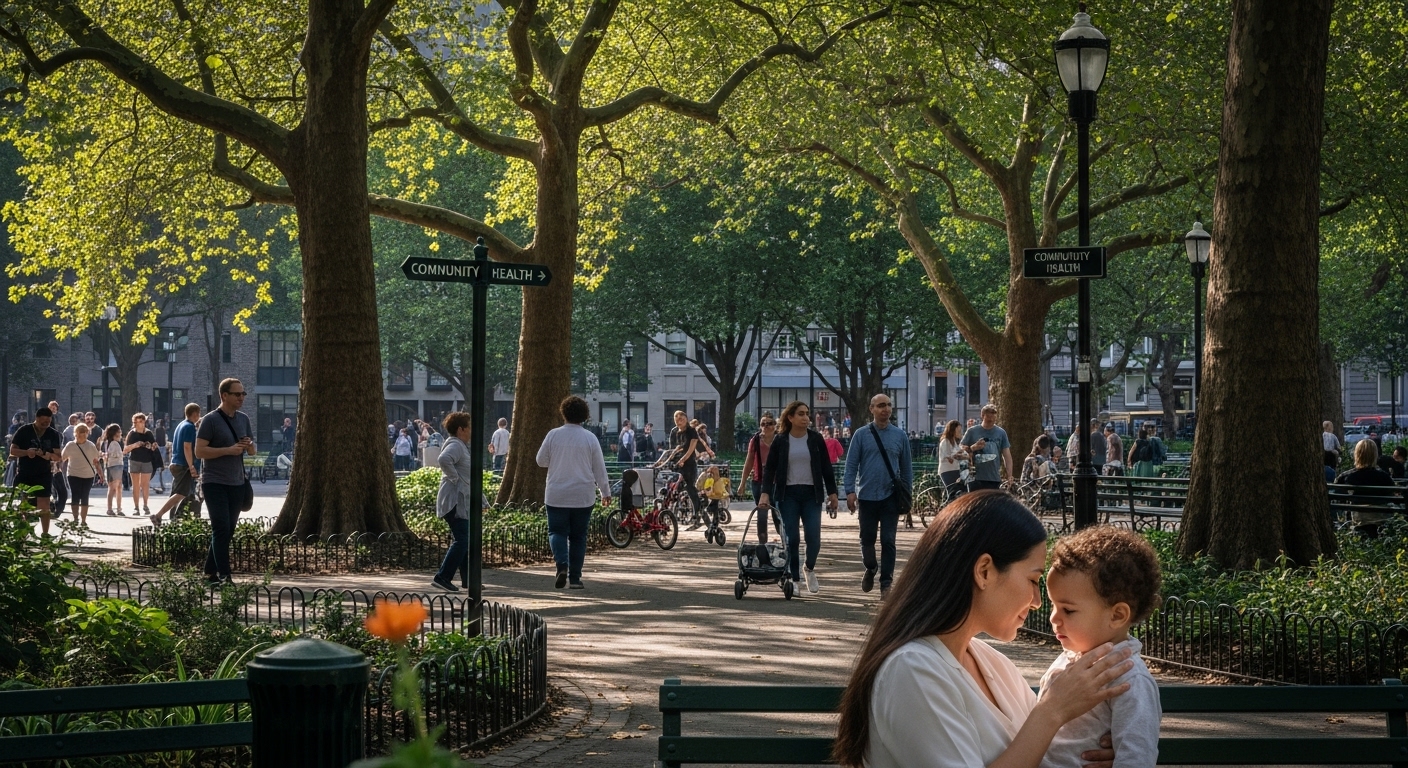
Beyond individual health benefits, tree planting fosters social connectivity and community engagement. Green spaces become natural gathering points where residents interact, children play, and intergenerational relationships develop. These shared environmental resources strengthen community bonds, encourage collective responsibility, and create spaces that promote social cohesion.
By investing in tree planting, communities design living environments that support physical, mental, and social wellness, transforming urban landscapes into holistic health ecosystems.
Key Concepts of Tree Planting and Sustainability
Tree planting represents a sophisticated approach to environmental conservation that integrates scientific understanding, ecological principles, and long-term strategic planning. By comprehending the fundamental concepts underlying sustainable tree planting, families and communities can make informed decisions that contribute to meaningful environmental restoration.
Ecological Systems and Tree Selection
According to the Royal Botanic Gardens, successful tree planting begins with understanding local ecological systems and selecting appropriate native species. Native trees are crucial for maintaining ecological balance, as they have evolved alongside local wildlife and are naturally adapted to regional climate conditions. This approach ensures trees can thrive without excessive intervention and provide maximum environmental benefits.
Key considerations for ecological tree selection include:
- Understanding local soil composition
- Analyzing regional climate patterns
- Identifying native species compatibility
- Assessing ecosystem interaction potential
Sustainable Growth and Long-Term Management
Sustainable tree planting extends beyond initial planting, requiring comprehensive long-term management strategies. This involves creating nurturing environments that support tree growth, monitoring developmental stages, and implementing protection mechanisms. Sustainable approaches prioritize tree health and ecosystem integration rather than treating trees as isolated botanical entities.
Critical elements of sustainable tree management include:
- Regular health monitoring
- Protection from environmental stressors
- Soil nutrition maintenance
- Promoting natural regeneration processes
Carbon Neutrality and Environmental Impact
Tree planting serves as a strategic intervention in addressing global carbon emissions and climate change challenges. By understanding carbon sequestration mechanisms, communities can develop targeted planting strategies that maximize environmental benefits. Each tree becomes a living carbon storage unit, contributing to broader climate mitigation efforts.
Strategic tree planting transforms environmental challenges into opportunities for regeneration, demonstrating how individual and collective actions can create meaningful ecological change.
Real-World Examples of Tree Planting Benefits
Tree planting initiatives worldwide demonstrate the transformative power of strategic ecological interventions. These practical examples illustrate how thoughtful tree planting can generate substantial environmental, social, and economic benefits across diverse contexts and communities.
Urban Regeneration and Community Transformation
According to the United Nations Environment Programme, urban tree planting projects have successfully transformed neglected city spaces into vibrant, sustainable environments. Green urban corridors create multifunctional spaces that simultaneously address environmental challenges and improve community quality of life. Cities like Singapore and Melbourne have pioneered innovative approaches to integrating trees into urban landscapes, reducing temperatures, mitigating pollution, and creating social gathering spaces.
Urban tree planting success factors include:
- Selecting appropriate native tree species
- Creating green infrastructure networks
- Engaging local community participation
- Developing long-term maintenance strategies
Ecological Restoration and Biodiversity Protection
Large-scale tree planting initiatives have proven instrumental in restoring degraded landscapes and protecting endangered ecosystems. Brazil’s Atlantic Forest restoration project exemplifies how targeted tree planting can revive complex ecological systems. Strategic reforestation efforts reconnect fragmented habitats, supporting wildlife corridors and preserving biodiversity.
Key ecological restoration approaches involve:
- Identifying critical ecosystem zones
- Prioritizing native species
- Creating interconnected forest networks
- Monitoring long-term ecological recovery
Economic and Social Impact
Tree planting initiatives generate substantial economic and social benefits beyond environmental restoration. Programmes in developing regions demonstrate how strategic tree planting can create employment, support agricultural resilience, and generate sustainable income streams for local communities. By integrating economic opportunities with environmental conservation, these projects illustrate the holistic potential of tree planting.
Strategic tree planting emerges as a powerful tool for addressing complex global challenges, offering hope and practical solutions for sustainable community development.
Plant a Legacy with The Zoofamily: Make Your Tree Planting Matter
Are you inspired to take action after understanding how tree planting boosts your family’s well-being and the planet’s health? Many parents struggle to create meaningful connections between children and nature amidst busy city routines. The article highlights how tree planting supports community health, personal wellness, and long-term environmental stability. If you want your family’s efforts to make a real difference, here is your opportunity.

Join The Zoofamily and transform your commitment to nature into lasting impact. For every kids’ camera you purchase, you help plant a tree that supports biodiversity and reduces carbon emissions. Explore how we turn children’s curiosity for nature into action by visiting our homepage at The Zoofamily. Discover how our animal-inspired cameras and binoculars turn outdoor adventures into real change. Take your next step today and help restore natural beauty for future generations.
Frequently Asked Questions
What are the environmental benefits of tree planting?
Tree planting provides significant environmental benefits, including carbon sequestration to mitigate climate change, improving air quality, supporting biodiversity, reducing soil erosion, and lessening the urban heat island effect.
How does tree planting enhance community health?
Tree planting enhances community health by creating green spaces that improve mental well-being, promote physical activity through accessible outdoor areas, and foster social connections among residents, leading to improved social cohesion and quality of life.
What should families consider when selecting trees for planting?
Families should consider local ecological systems, choosing appropriate native species that are well-adapted to regional climate conditions and soil compositions to ensure successful growth and maximum environmental benefits.
How can tree planting contribute to climate change mitigation?
Tree planting contributes to climate change mitigation by acting as natural carbon sinks. Trees absorb carbon dioxide through photosynthesis, storing significant amounts of carbon in their biomass and soil, which helps reduce greenhouse gas concentrations in the atmosphere.
Recommended
- Understanding Eco Friendly Routines for Modern Families – The Zoofamily
- Comment protéger la planète au quotidien avec ses enfants – The Zoofamily
- Comprendre comment prendre soin de la terre pour nos enfants – The Zoofamily
- Childhood Brain Development: A Guide for Modern European Mums – The Zoofamily
- Understanding the Benefits of Native Plants for Your Garden - Lushy Gardens