

Nature inspired painting draws millions to pick up a brush and capture the outdoors, and over 65 percent of amateur artists say that nature is their top source of inspiration. Most people think you need to travel to the countryside or find jaw-dropping scenery to create stunning artwork. But what really matters is learning to see beauty in your own backyard and translating that onto the canvas in your own way.
Table of Contents
- Understand The Basics Of Nature Inspired Painting
- Gather Inspiration From Local Nature
- Choose The Right Materials For Painting
- Learn Basic Painting Techniques
- Experiment With Colour And Texture
- Involve Your Kids In The Painting Process
- Display And Celebrate Your Art Creations
Quick Summary
| Takeaway | Explanation |
|---|---|
| Focus on observation and connection with nature | Develop keen observational skills to authentically represent the beauty of natural forms and landscapes. |
| Select appropriate painting materials | Choose the right mediums, canvases, and brushes to enhance your artistic expression of nature. |
| Experiment with colour and texture | Use various colours and textures to infuse life into your paintings, capturing the essence of landscapes. |
| Involve children in the painting process | Engage kids in nature-inspired painting to nurture their creativity and foster family connections. |
| Showcase your artwork thoughtfully | Display your paintings to celebrate creativity and strengthen emotional connections to nature and artistry. |
1: Understand the Basics of Nature Inspired Painting
Nature inspired painting transforms ordinary art into extraordinary visual experiences by capturing the intricate beauty of the natural world. Understanding the fundamental principles will help you create stunning artworks that truly reflect nature’s essence.
When approaching nature inspired painting, several key elements require thoughtful consideration. According to The Huntington Library, artists must focus on fundamental artistic components that enable effective nature representation:
-
Observation: Carefully study natural forms, textures, and colour variations
-
Colour Selection: Choose palettes that authentically represent natural environments
-
Perspective: Capture depth and dimensionality of landscapes and organic structures
Successful nature inspired paintings require more than technical skill. They demand a profound connection with the environment and an ability to translate visual experiences onto canvas. Artists must develop keen observational skills, understanding how light interacts with different surfaces, how colours blend in natural settings, and how organic shapes create visual harmony.
Beginners should start by practicing core techniques that help translate natural scenes effectively. This involves sketching preliminary studies, experimenting with different painting mediums, and developing a personal approach to representing natural elements. Watercolours, acrylics, and oils each offer unique opportunities for capturing nature’s complexity.
Remember that nature inspired painting is not about creating photographic replicas but expressing the emotional and spiritual essence of the natural world. Your artwork should communicate the feeling and energy of a landscape, not just its exact physical details.
Practice, patience, and persistent observation will gradually enhance your ability to create compelling nature inspired paintings that resonate with viewers and celebrate the extraordinary beauty of our planet.
2: Gather Inspiration from Local Nature
Finding inspiration for nature inspired painting starts right outside your doorstep. Local environments offer an extraordinary canvas of visual experiences waiting to be transformed into stunning artworks. Whether you live near woodlands, urban parks, coastal regions, or suburban landscapes, your immediate surroundings provide rich artistic opportunities.
Exploring local nature requires a deliberate and mindful approach. According to The Art of Education University, artists can develop powerful connections with their environment through intentional observation:
-
Close observation: Study intricate details like leaf textures, bark patterns, and subtle colour variations
-
Seasonal changes: Track how landscapes transform throughout different times of the year
-
Time of day: Capture how natural light shifts and influences visual perception
Photographic documentation can serve as an excellent supplementary technique for gathering inspiration. Carry a compact camera or smartphone to capture fleeting moments, unique perspectives, and compelling natural compositions. These visual references become invaluable resources when you return to your studio.
Local nature walks offer more than visual references. They provide sensory experiences that inform your artistic interpretation. Listen to ambient sounds, feel different textures, and immerse yourself in the environment. These multisensory experiences will infuse depth and authenticity into your nature inspired paintings.
Consider exploring photography scavenger hunts as a creative way to document and discover unique natural elements. This approach can help you develop a more systematic and engaging method of gathering artistic inspiration.
Remember that inspiration is not about capturing exact replicas but understanding the essence of natural forms. Allow your personal interpretation and emotional connection to guide your artistic expression, transforming observed details into compelling visual narratives that celebrate the beauty of local landscapes.
3: Choose the Right Materials for Painting
Selecting appropriate materials is crucial for creating compelling nature inspired paintings. The right tools can transform your artistic vision from ordinary to extraordinary, enabling you to capture the intricate details and emotional essence of natural landscapes.
According to The Saint Louis Art Museum, artists must carefully consider their painting materials to effectively represent natural environments. Different mediums offer unique characteristics that can enhance your artistic expression:
-
Watercolours: Ideal for capturing delicate atmospheric effects and translucent natural scenes
-
Acrylic Paints: Provide vibrant colours and quick drying times for layered landscape compositions
-
Oil Paints: Offer rich, deep colours and slower drying periods for intricate texture development
Canvas selection plays an equally significant role in nature inspired painting. Consider the surface texture, weight, and priming that best complement your chosen painting style. Linen canvases provide exceptional durability and a subtle texture that mimics natural landscapes, while cotton canvases offer a more affordable and versatile option for emerging artists.
Brush selection requires equally thoughtful consideration. Different brush types and sizes enable varied techniques for representing natural elements. Soft, rounded brushes work wonderfully for creating smooth colour transitions in landscapes, while stiff, flat brushes help develop textured representations of bark, rocks, and rugged terrain.
Additionally, invest in high-quality pigments that retain their vibrancy and resist fading. Natural, earth-toned pigments can provide an authentic connection to the landscapes you are depicting. Consider purchasing artist-grade paints that offer superior colour depth and longevity compared to student-grade alternatives.
Remember that experimenting with materials is part of the artistic journey. Do not be afraid to combine different mediums, try unconventional tools, or develop unique techniques that help you express your personal interpretation of nature’s beauty.
4: Learn Basic Painting Techniques
Mastering fundamental painting techniques transforms natural observations into breathtaking artistic expressions. Nature inspired painting requires more than just technical skill. It demands a deep understanding of artistic principles that enable you to translate visual experiences onto canvas.
According to The Getty Center, artists must develop core skills that form the foundation of compelling visual storytelling:
-
Composition: Strategically arrange elements to create visual balance
-
Colour Theory: Understand how colours interact and evoke emotional responses
-
Perspective: Create depth and dimensionality in landscape representations
Brushwork techniques play a crucial role in nature inspired painting. Different brush strokes can dramatically alter the perception of natural elements. Stippling creates textured surfaces mimicking tree bark or rocky terrain, while blending helps soften transitions between colours, capturing the subtle gradients found in landscapes.
Practice fundamental techniques like layering, which allows you to build complexity and depth in your paintings. Start with light background washes, gradually adding more detailed elements. This approach helps create nuanced representations of natural scenes, capturing the intricate interplay of light, shadow, and texture.
Understanding value and contrast is equally important. Observe how light interacts with different surfaces in nature. Darker values can represent shadows in dense forests, while lighter values might capture sunlight filtering through leaves. These subtle variations bring dynamism and realism to your nature inspired artwork.
Experimentation is key to developing your unique artistic voice. Do not be afraid to combine techniques, try unconventional approaches, and push the boundaries of traditional painting methods. Each brushstroke is an opportunity to communicate your personal interpretation of the natural world.
Remember that technical proficiency comes with consistent practice. Dedicate time to sketching, studying natural forms, and refining your skills. Your journey in nature inspired painting is about continuous learning and artistic growth.
5: Experiment with Colour and Texture
Colour and texture are the heartbeat of nature inspired painting, transforming flat surfaces into vibrant, living landscapes. These elements breathe life into artistic representations, allowing painters to capture the intricate nuances of natural environments.
Understanding colour relationships is fundamental to creating compelling nature inspired artwork. Earth tones provide a natural foundation, while strategic colour combinations can evoke specific emotional responses and atmospheric conditions.
Experimentation becomes crucial in developing unique artistic expressions. Consider these approaches to exploring colour and texture:
-
Natural pigment mixing: Create custom colour palettes that reflect specific landscapes
-
Unconventional application techniques: Use sponges, palette knives, and natural materials as painting tools
-
Layering methods: Build depth through transparent and opaque colour applications
Texture plays an equally significant role in nature inspired painting. Tactile variations can dramatically enhance the visual storytelling of your artwork. Rough, uneven surfaces might represent rocky terrains, while smooth, blended areas could depict misty landscapes or calm water surfaces.
Acrylics and mixed media offer exceptional opportunities for texture exploration. Artists can incorporate natural materials like sand, dried leaves, or small pebbles directly into their paintings, creating three-dimensional representations that blur the line between traditional painting and sculptural art.
colour theory becomes your strategic tool for emotional communication. Cool blues and greens can suggest tranquillity, while warm oranges and browns might convey the richness of autumn landscapes. Understanding these psychological impacts allows you to craft paintings that resonate deeply with viewers.
Do not fear making mistakes. Experimentation is the pathway to artistic discovery. Each unexpected colour blend or textural technique brings you closer to developing a unique artistic voice that authentically represents the complexity and beauty of natural environments.
6: Involve Your Kids in the Painting Process
Transforming nature inspired painting into a family activity creates memorable experiences and nurtures children’s creativity. By inviting kids into the artistic process, parents can develop their children’s observational skills, emotional intelligence, and connection with the natural world.
According to The Conversation, involving children in artistic activities provides significant developmental benefits, enhancing their cognitive and emotional growth.
Consider these strategies for engaging children in nature inspired painting:
-
Observation walks: Collect natural materials and discuss visual details together
-
Collaborative painting: Create artworks where each family member contributes
-
Sensory exploration: Encourage children to touch and describe natural textures
Selecting age-appropriate materials is crucial for maintaining children’s interest. Younger children might enjoy washable paints and larger brushes, while older kids can experiment with more sophisticated techniques. Learn more about making learning fun with engaging activities to support your artistic journey.
Encourage children to approach painting without fear of perfection. Process matters more than the final product. Allow them to explore colours, mix unexpected shades, and develop their unique artistic voices. This approach builds confidence and nurtures a lifelong appreciation for creative expression.
Using nature as a collaborative inspiration connects families through shared experiences. Discuss the colours, shapes, and emotions evoked by different landscapes. Ask children to describe what they see, feel, and imagine when observing natural scenes.
Remember that painting together is about connection, not competition. Celebrate each individual’s interpretation, whether it’s a meticulously detailed landscape or an abstract representation of natural elements. Every artistic expression holds inherent beauty and meaning.
7: Display and Celebrate Your Art Creations
Showcasing nature inspired paintings transforms artistic experiences from private moments into shared celebrations of creativity and environmental appreciation. The final step in your artistic journey involves presenting your artwork in ways that honour both the creative process and the natural world’s beauty.
Displaying artwork requires thoughtful consideration of presentation techniques that highlight the essence of your nature inspired paintings. Choose display methods that complement the artwork’s mood and colour palette.
Consider these strategies for meaningful art presentation:
-
Create dedicated family gallery walls: Showcase paintings in coordinated arrangements
-
Use natural wooden frames: Enhance nature inspired artwork with organic frame materials
-
Rotate displays seasonally: Reflect changing natural landscapes through artwork placement
Lighting plays a crucial role in artwork presentation. Soft, natural lighting helps reveal the subtle textures and colour nuances in nature inspired paintings. Position artworks near windows or use adjustable LED lights that mimic natural daylight conditions.
Digital documentation offers another powerful way to celebrate artistic achievements. Photograph your paintings in high resolution, creating digital archives that can be shared with family and friends. These digital memories preserve the artistic journey and inspire future creative explorations.
Encourage family discussions about the artwork’s inspiration, techniques used, and personal connections to the natural scenes depicted. Storytelling transforms paintings from visual objects into meaningful narratives that connect viewers emotionally with the artwork and the environment.
Remember that art is a continuous journey of exploration and growth. Each painting represents a moment of connection between the artist, their creative vision, and the magnificent natural world. Celebrate not just the final artwork, but the entire process of observation, interpretation, and creative expression.
The following table provides a concise yet comprehensive summary of the article’s key steps, benefits, and outcomes for creating stunning nature inspired paintings.
| Step/Topic | Key Actions/Tips | Benefits/Outcomes |
|---|---|---|
| Understand Nature Inspired Painting | Focus on observation, develop connection with nature, practise foundational techniques | Authentic representation of nature, emotional and visual depth |
| Gather Inspiration from Local Nature | Explore local environments, observe details, track seasonal changes, use photography | Accessible inspiration, enhanced creativity, multi-sensory input |
| Choose the Right Materials | Select appropriate paints (watercolours, acrylics, oils), canvases (linen, cotton), and brushes | Improved results, optimal texture and colour, supports techniques |
| Learn Basic Painting Techniques | Master composition, colour theory, perspective, brushwork, layering, and value contrast | Realistic depth, dynamic landscapes, personal artistic growth |
| Experiment with Colour and Texture | Custom pigment mixing, unconventional tools, integrate natural materials, layer transparencies | Unique artistic voice, vibrant and textural artwork |
| Involve Children in the Process | Observation walks, collaborative art, sensory discovery, age-appropriate materials | Family bonding, boosts creativity and confidence in children |
| Display and Celebrate Your Art | Thoughtful presentation, natural frames, digital archives, family galleries, storytelling | Shared achievements, deeper emotional connection to artwork |
Bring Your Nature Inspired Art to Life with The Zoofamily
Are you excited to turn your nature inspired painting ideas into reality, but unsure how to capture those fleeting outdoor moments with your children? As described in the article, observation, connection with the environment, and gathering visual inspiration are at the heart of stunning nature themed paintings. Yet, many families struggle to gather accurate references, involve children meaningfully, and sustain creative curiosity outdoors. This is where The Zoofamily can transform your artistic journey.
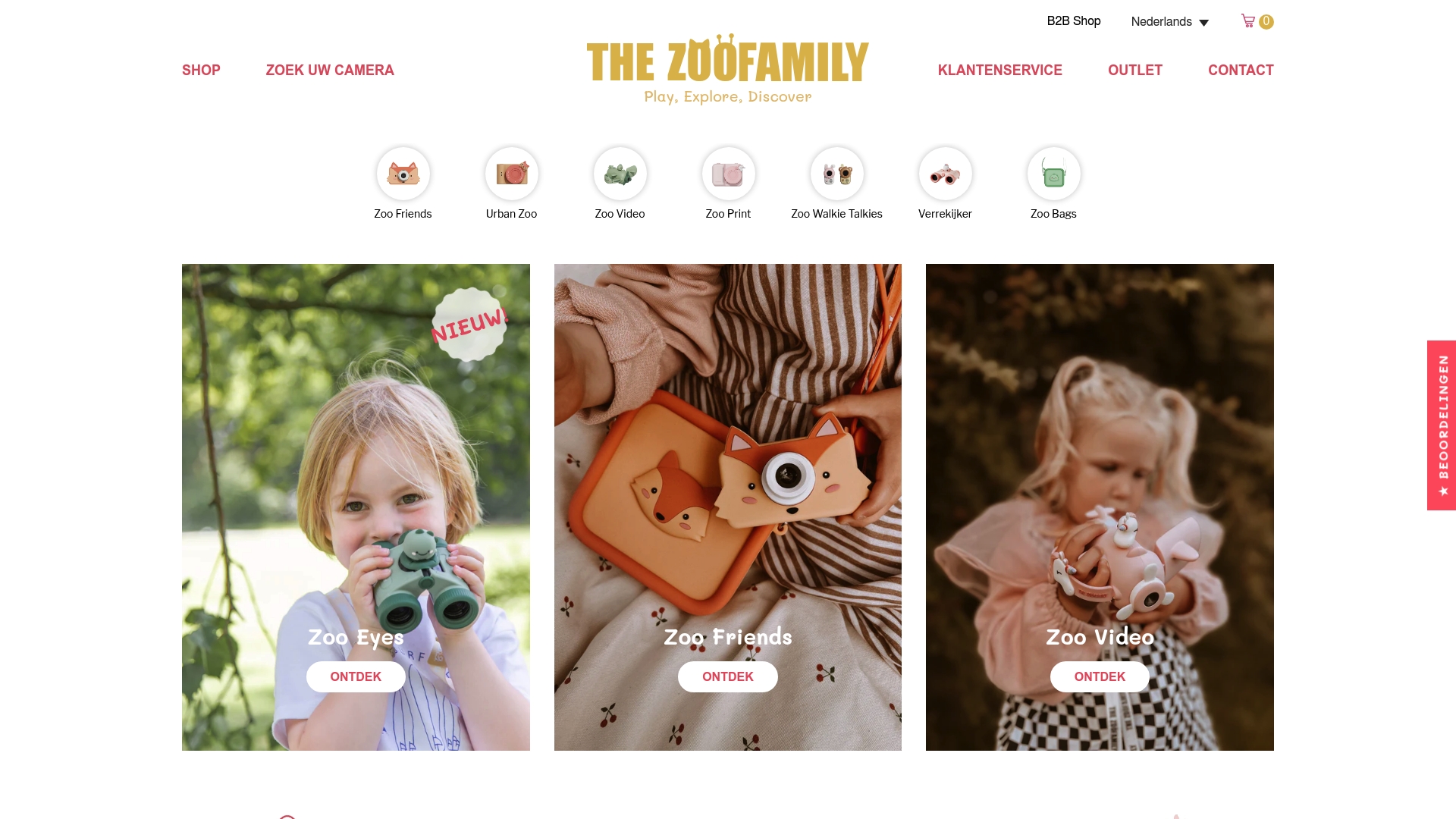
Invite your children to observe and explore their surroundings with the best kids’ cameras and binoculars from The Zoofamily. Encourage hands-on discovery to spark real inspiration for your paintings. Every camera sold helps plant a tree, letting your creative process directly support the natural world you love to paint. Visit our website to discover purposeful tools to document, capture, and share your adventures. Start your next painting with a memory that lasts. Take your first step towards creative family connection and a greener future at The Zoofamily shop.
Frequently Asked Questions
How do I start with nature inspired painting?
Begin by observing your local environment closely. Study the details such as textures, colours, and forms in nature. Practise your sketching skills and try different painting mediums like watercolours, acrylics, or oils to find what suits your style.
What materials are essential for nature inspired painting?
Essential materials include quality paints (watercolours, acrylics, or oils), suitable canvases (linen or cotton), and a variety of brushes. Each medium offers different characteristics; for example, watercolours are great for transparency, while acrylics provide vibrant colours and quick drying times.
How can I effectively use colour in nature inspired art?
Understanding colour theory is vital. Use earth tones as a base and experiment with mixing colours to create custom palettes. Consider the emotional response different colours evoke and how to apply these to reflect the landscapes you’re painting.
Can children participate in nature inspired painting activities?
Absolutely! Involve children by encouraging observational walks and sensory exploration of natural materials. Use age-appropriate materials and foster a creative atmosphere where the process matters more than perfection, helping them express their unique artistic vision.