

Did you know children who spend time outdoors show up to 30 percent higher cognitive gains than those who stay mainly inside? Modern research reveals that natural spaces do far more than entertain. Outdoor environments open doors for kids to grow physically, emotionally, and socially on their own terms. By encouraging safe, hands-on experiences in nature, families support curious minds and healthy bodies while laying the groundwork for lifelong well-being and environmental respect.
Key Takeaways
| Point | Details |
|---|---|
| Outdoor Learning Principles | Children benefit from autonomy, self-directed learning, and risk-appropriate challenges in natural environments. |
| Health Benefits | Spending time outdoors enhances physical health, boosts immunity, and improves mental well-being through stress reduction and enhanced creativity. |
| Engagement through Activities | Simple outdoor activities promote curiosity and holistic development, emphasizing structured versus unstructured play. |
| Safety Considerations | Parents must ensure safety through proactive supervision, risk management, and appropriate precautions during outdoor play. |
Table of Contents
- Defining Outdoor Child Development Principles
- Physical And Mental Benefits For Kids
- Popular Outdoor Activities For Children
- Promoting Creativity And Social Skills
- Safety, Risks, And Parental Responsibilities
Defining Outdoor Child Development Principles
Children’s development thrives beyond indoor environments, and outdoor experiences provide transformative learning opportunities that cannot be replicated inside four walls. According to the National Wildlife Federation’s “Green Hour” concept, children need dedicated unstructured time in natural settings to counteract what experts call ‘nature deficit disorder’.
The core principles of outdoor child development revolve around several critical elements:
- Autonomy: Allowing children to explore and make independent discoveries
- Self-directed Learning: Encouraging natural curiosity and exploration
- Environmental Interaction: Providing opportunities to engage directly with natural environments
- Risk-appropriate Challenge: Introducing controlled challenges that build confidence
Leave No Trace principles further illuminate how outdoor experiences can be structured responsibly. Our guide on nature exploration offers practical strategies for introducing children to outdoor learning while maintaining environmental respect. By teaching children to observe, respect, and interact mindfully with natural spaces, we cultivate not just physical skills but environmental consciousness.
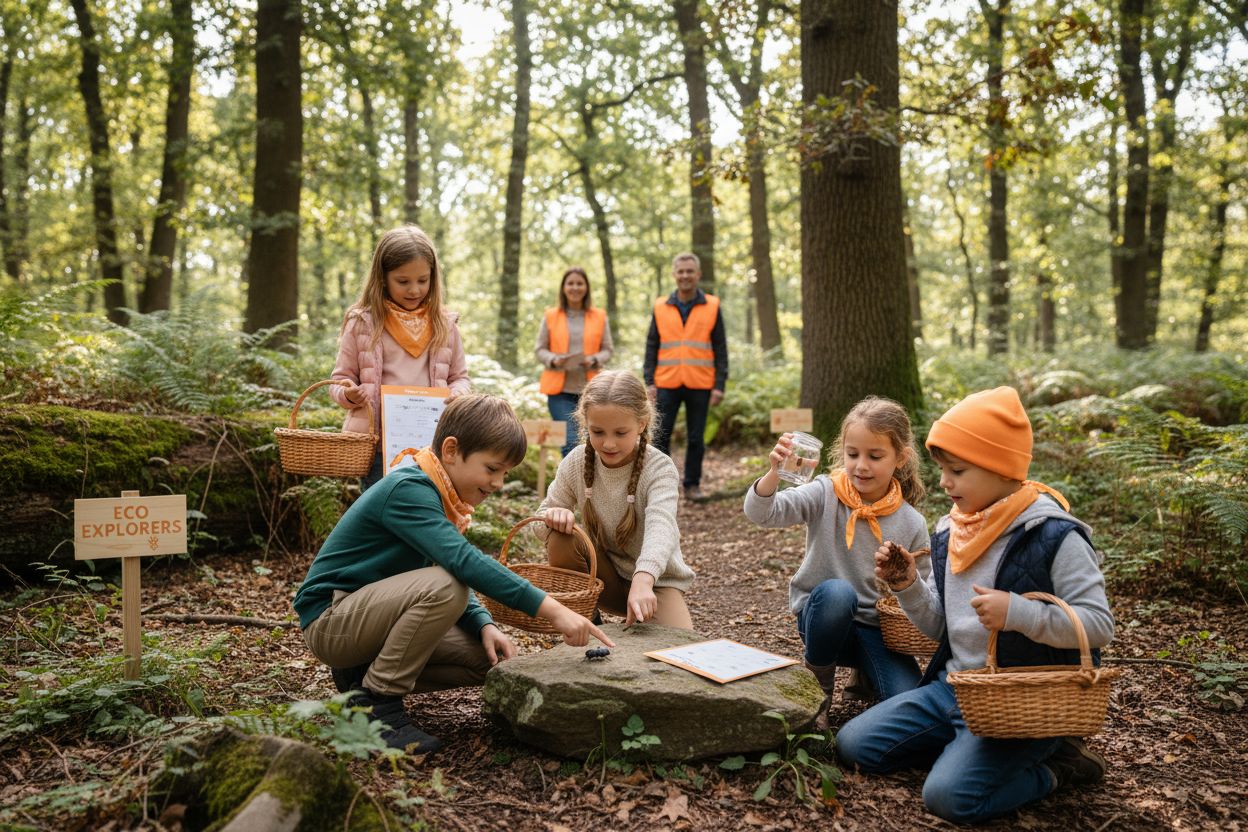
Ultimately, outdoor child development isn’t about perfection—it’s about creating meaningful experiences that stimulate cognitive, physical, and emotional growth. Whether it’s a structured nature walk or spontaneous backyard exploration, these moments become the building blocks of lifelong learning and environmental stewardship.
Physical And Mental Benefits For Kids
Outdoor environments are magical playgrounds that offer profound developmental advantages for children. According to UNICEF, children who spend at least two hours daily outdoors experience significant physical and cognitive improvements, transforming simple play into a comprehensive developmental experience.
Physical Health Benefits
The physical advantages of outdoor play are remarkable:
- Cardiovascular Fitness: Enhanced heart health through active movement
- Motor Skill Development: Natural terrain challenges balance and coordination
- Increased Physical Activity: More moderate‑to‑vigorous movement compared to indoor settings
- Immune System Boost: Exposure to diverse environments strengthens natural defences
Mental Wellness Advantages
Beyond physical development, our guide to childhood brain development reveals the mental health benefits are equally transformative. The Kids Mental Health Foundation highlights that outdoor experiences dramatically improve children’s psychological well-being by:
- Lowering stress and anxiety levels
- Enhancing mood and emotional regulation
- Improving focus and attention span
- Boosting creativity and problem-solving skills
- Developing social interaction capabilities
Nature isn’t just a playground—it’s a comprehensive developmental classroom where children learn, grow, and thrive. By embracing outdoor experiences, parents provide their children with an invaluable foundation for holistic health and well-being.
Here’s how physical and mental outdoor benefits for children compare:
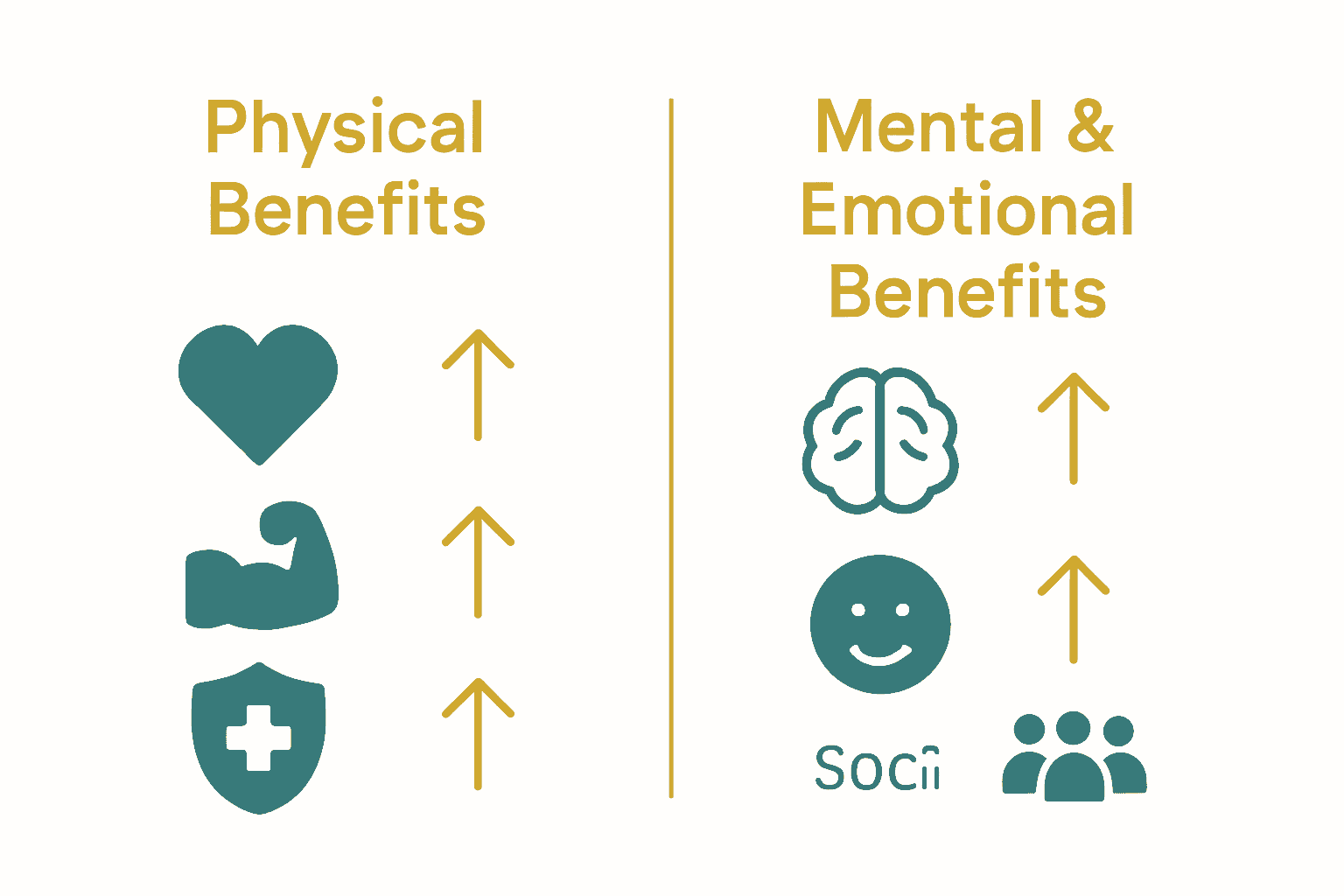
| Benefit Type | Key Advantages |
|---|---|
| Physical | Cardiovascular fitness Motor skill development Increased activity Immune system boost |
| Mental & Emotional | Lower stress & anxiety Enhanced mood Better focus Boosted creativity Improved social skills |
Popular Outdoor Activities For Children
Children thrive when given opportunities to explore and interact with their natural environment. Outdoor activities are more than just physical exercise—they’re gateways to learning, creativity, and emotional development. According to the Kids Mental Health Foundation, even simple experiences can profoundly impact children’s engagement and wellness.
Engaging Nature-Based Activities
Here are some compelling outdoor activities that spark curiosity and learning:
- Scavenger Hunts: Create themed treasure hunts that encourage observation and problem-solving
- Nature Walks: Explore local parks, collecting leaves, identifying plants and insects
- Sidewalk Chalk Adventures: Transform pavements into creative canvases
- Listening Walks: Focus on identifying different sounds in natural environments
- Garden Exploration: Plant seeds, observe growth, learn about ecosystems
Structured vs Unstructured Play
Check out our guide on making learning fun for more creative ideas. Research from the cohort study highlights a critical insight: unstructured outdoor play is crucial. It’s not about complex activities, but allowing children free exploration that naturally develops prosocial behaviors and reduces potential health risks like childhood obesity.
The magic of outdoor activities lies in their simplicity. Whether it’s jumping in puddles, collecting interesting rocks, or watching clouds, these moments become powerful learning experiences that shape childhood development. By prioritizing outdoor play, parents can provide rich, multisensory environments that nurture physical, cognitive, and emotional growth.
Promoting Creativity And Social Skills
Outdoor environments are extraordinary classrooms where children naturally develop critical social and creative capabilities. Imaginative play transforms simple spaces into magical worlds of exploration and learning. According to UNICEF, green spaces dramatically enhance children’s ability to interact, create, and grow.
Creativity Through Natural Exploration
Natural settings provide unique opportunities for creative development:
- Material Invention: Using sticks, stones, leaves as play tools
- Unstructured Play: Designing spontaneous games and scenarios
- Sensory Stimulation: Engaging multiple senses simultaneously
- Problem-solving: Navigating unpredictable outdoor environments
Social Skill Development
Learn more about the benefits of imaginative play in our comprehensive guide. UNICEF research reveals that outdoor environments encourage cooperative interactions, with children naturally developing:
- Teamwork through shared exploration
- Communication skills during group activities
- Emotional intelligence by reading social cues
- Conflict resolution in dynamic play scenarios
By embracing outdoor experiences, parents provide children with a rich, interactive landscape where creativity flourishes and social skills organically emerge. These experiences aren’t just play—they’re fundamental building blocks of emotional and intellectual growth.
Safety, Risks, And Parental Responsibilities
Outdoor play provides incredible developmental opportunities, but responsible supervision is paramount. The Centers for Disease Control (CDC) emphasizes that proactive risk management transforms outdoor experiences from potentially dangerous to wonderfully enriching for children.
Key Safety Considerations
Parents must be vigilant about several critical safety aspects:
- Sun Protection: Use broad-spectrum sunscreen, seek shade during peak hours
- Hydration: Ensure regular water breaks during outdoor activities
- Insect Prevention: Apply child-safe insect repellent
- Equipment Safety: Use age-appropriate, well-maintained play equipment
- Clothing: Avoid loose clothing with drawstrings that might catch
Risk Mitigation Strategies
Our guide on imaginative play offers additional insights into creating safe, engaging outdoor experiences. According to Ireland’s Health Service Executive (HSE), parental responsibilities extend beyond immediate supervision:
- Secure play areas with appropriate fencing
- Remove potential hazards like sharp tools
- Ensure play surfaces are soft and well-maintained
- Supervise water-related activities closely
Balancing safety with exploration means giving children freedom to learn while maintaining a protective watchful eye. By understanding potential risks and implementing smart preventive measures, parents can create outdoor environments that are both exciting and secure.
Bring Outdoor Discovery to Life with The Zoofamily
Does your child crave more than screens and structured activities? If you have felt concerned about the lack of connection to nature highlighted in our Complete Guide to Child Development Outdoors, you are not alone. Many parents want to nurture autonomy, creativity, and a love for the environment, yet they struggle to find meaningful ways for children to engage with the great outdoors independently and safely.
The Zoofamily bridges this very gap. Our animal-inspired kids’ cameras, walkie-talkies, and binoculars are specifically crafted to spark curiosity and inspire real-world adventures. These tools encourage self-directed learning and imaginative outdoor play, mirroring the core principles found in nature exploration advice and creative activity guides included throughout the article.
Make today the starting point for lasting memories in nature. Visit The Zoofamily to discover how your purchase supports a greener planet, one tree at a time, and find the perfect gear to turn every day outdoors into an adventure. Give your child the tools they need to thrive beyond the indoors.
Frequently Asked Questions
What are the main principles of outdoor child development?
The main principles include autonomy, self-directed learning, environmental interaction, and introducing risk-appropriate challenges to build confidence.
What are the benefits of outdoor play for children’s physical health?
Outdoor play promotes cardiovascular fitness, improves motor skills, enhances physical activity levels, and boosts the immune system through exposure to diverse environments.
How does spending time outdoors affect children’s mental well-being?
Outdoor experiences can lower stress and anxiety levels, enhance mood, improve focus and attention span, boost creativity, and develop social interaction skills.
What types of outdoor activities are beneficial for children’s development?
Engaging activities include scavenger hunts, nature walks, sidewalk chalk art, listening walks, and garden exploration, all of which encourage observation and creativity.