

Over 80 percent of a child’s learning happens through play before the age of eight. Role play stands out as one of the most valuable ways children explore real-world ideas, emotions, and social rules. When kids pretend to be teachers, doctors, or superheroes, they are not just having fun. They are building empathy, communication, and problem-solving skills that last a lifetime. Understanding how role play truly shapes development can help parents support deeper growth and happier learning.
Table of Contents
- Role Play For Development Defined And Debunked
- Types Of Role Play Activities For Kids
- Key Benefits For Emotional And Social Growth
- How To Encourage Safe And Creative Role Play
- Common Mistakes And What To Avoid
Key Takeaways
| Point | Details |
|---|---|
| Role Play as Developmental Tool | Role play enhances childhood learning by fostering social skills, emotional intelligence, and cognitive flexibility. |
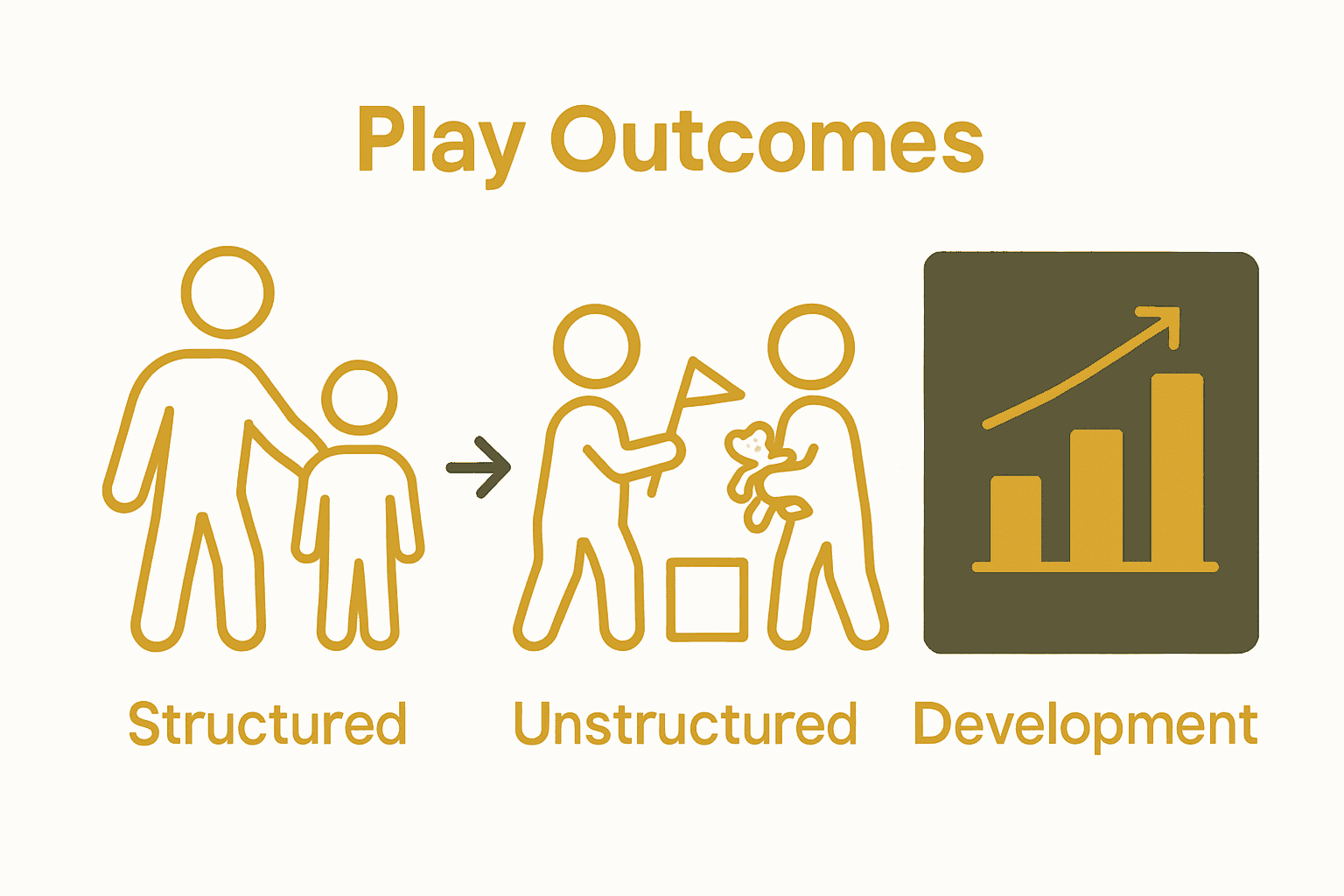
| Importance of Unstructured Play | Children benefit most from leading their own role play scenarios, allowing for genuine exploration and creativity. |
| Creating Optimal Play Environments | Provide diverse props and a safe, open space to encourage imaginative play without adult interference. |
| Common Parental Mistakes | Avoid excessive intervention and rigid scenario enforcement to enable children to naturally develop through role play. |
Role Play for Development Defined and Debunked
Role playing represents a fundamental and powerful mechanism for childhood learning and social development. Role play involves children adopting different characters and scenarios, allowing them to explore complex social interactions and emotional landscapes through imaginative engagement. According to Wikipedia, role-playing enables individuals to adopt and act out roles consciously or unconsciously, serving critical social and educational functions.
At its core, role play is more than just pretending. It is a sophisticated developmental tool that helps children understand perspectives beyond their immediate experience. Through imaginative scenarios, children learn empathy, communication skills, and emotional intelligence. Wikipedia highlights that free play, which includes role-playing, promotes essential developmental outcomes such as:
- Social skills enhancement
- Emotional health improvement
- Cognitive growth stimulation
- Confidence building
- Resilience development
Parents often misunderstand role play, viewing it as mere child’s entertainment. However, research demonstrates it is a complex psychological process where children unconsciously process social dynamics, experiment with identity, and develop critical cognitive frameworks. By creating imaginary worlds and characters, children are not just playing - they are actively constructing understanding of human interactions, emotional responses, and complex social structures.
Crucially, role play works best when children lead the experience with minimal adult intervention. This unstructured approach allows genuine exploration and organic learning. Whether a child is playing doctor, teacher, or creating elaborate fantasy scenarios, they are engaging in a profound developmental process that shapes their future social and emotional capabilities.
Types of Role Play Activities for Kids
Role play activities offer children a dynamic and engaging way to explore various social scenarios and develop critical life skills. Teaching Expertise highlights several imaginative activities that transform ordinary play into extraordinary learning experiences, such as fairytale reenactments, supermarket scenarios, and car shop simulations.
Classic Role Play Scenarios
Children naturally gravitate towards role play activities that mirror real-world interactions. According to Speech Therapy, some of the most engaging activities include:
- Show and Tell Salesperson: Practicing communication and presentation skills
- Grocery Store: Learning about transactions and social interactions
- Fairy Tale Retelling: Enhancing narrative skills and creativity
- Doctor and Patient: Understanding empathy and care
- Restaurant Server: Developing conversational abilities
These scenarios are more than just games - they are sophisticated learning environments where children unconsciously develop communication skills, expand vocabulary, and practice complex social dynamics. By stepping into different roles, kids learn to understand perspectives beyond their immediate experience, building emotional intelligence and adaptability.
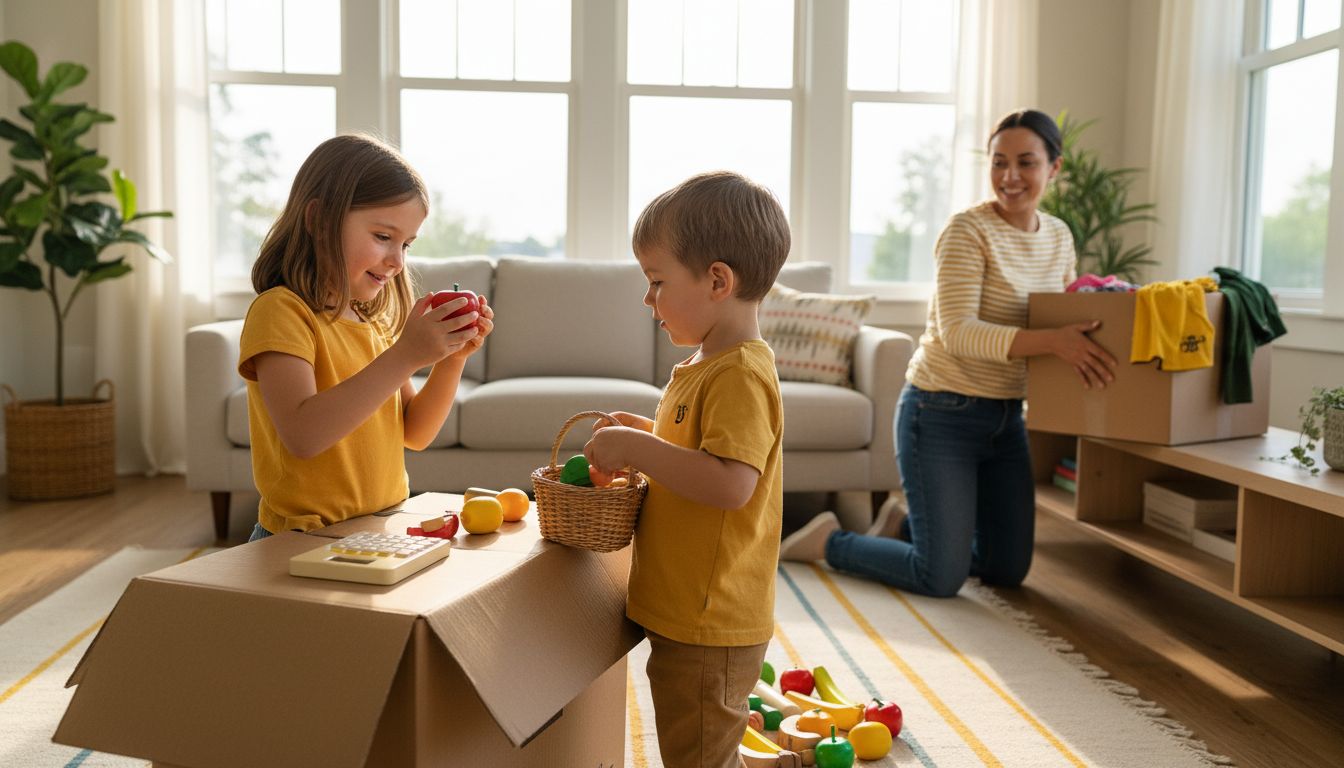
Successful role play requires minimal adult intervention. Parents can create simple prop boxes with costumes, toy tools, or household items that spark imagination. The magic happens when children lead the play, creating their own narratives and solving imaginary challenges. Each scenario becomes a microcosm of learning, where children experiment with language, social rules, and emotional responses in a safe, controlled environment.
For those seeking to enrich their child’s role play experience, consider Understanding the Benefits of Imaginative Play for deeper insights into this powerful developmental tool. The key is to provide opportunities, not instructions - let your child’s creativity guide the journey.
Key Benefits for Emotional and Social Growth
Role play is a powerful mechanism for childhood emotional and social development, offering far more than simple entertainment. Wikipedia reveals that role-playing is a critical psychological tool that helps children understand different perspectives and navigate complex social interactions, fundamentally shaping their emotional intelligence and social capabilities.
Core Emotional and Social Benefits
Children engaged in role play experience profound developmental advantages. According to Wikipedia, free play and role-playing contribute to multiple critical growth areas:
- Emotional Resilience: Learning to manage unexpected scenarios
- Social Skills: Practicing communication and interaction
- Cooperation: Understanding teamwork and collaboration
- Confidence Building: Experimenting with different personas
- Cognitive Flexibility: Adapting to changing imaginary contexts
Through imaginative scenarios, children unconsciously develop sophisticated emotional mapping skills. They learn empathy by stepping into different characters’ perspectives, understanding nuanced emotional responses, and practicing complex social negotiations. This process allows them to explore emotional landscapes safely, without real-world consequences.
Role play also serves as a critical laboratory for emotional regulation. By creating and navigating imaginary situations, children learn to recognize, express, and manage their feelings. They discover how different emotional approaches yield varied outcomes, essentially conducting emotional intelligence experiments through play.
For parents seeking deeper understanding of childhood developmental processes, Childhood Brain Development: A Guide for Modern European Mums offers comprehensive insights into how play shapes young minds. The transformative power of role play lies not in structured instruction, but in allowing children the freedom to explore, imagine, and learn organically.
How to Encourage Safe and Creative Role Play
Encouraging safe and creative role play requires thoughtful preparation and a nuanced understanding of children’s developmental needs. School Playground Equipment suggests creating themed play areas that simulate real-world environments like kitchens, hospitals, construction sites, and supermarkets to provide structured yet imaginative play opportunities.
Strategic Play Environment Design
Creating an optimal role play space involves several key strategies:
- Diverse Prop Selection: Collect age-appropriate costumes and tools
- Safe Physical Space: Ensure clear, uncluttered play areas
- Minimal Intervention: Allow children to lead their imaginative scenarios
- Rotating Themes: Introduce new play scenarios periodically
- Emotional Safety: Establish basic boundaries and kindness rules
According to Teaching Expertise, structured scenarios like fairytale reenactments and simulated professional environments can significantly foster creativity and social interaction. Parents play a crucial role by providing rich, open-ended resources that spark imagination without dictating specific play narratives.
The magic of role play emerges when children feel emotionally secure and have access to versatile props that can transform into anything their imagination desires. This means selecting items that are not overly prescriptive - a cardboard box can become a spaceship, a castle, or a market stall depending on the child’s creative impulse.
For parents seeking additional inspiration for engaging play activities, Making Learning Fun: Engaging Activities for Your Kids offers a wealth of creative ideas to support your child’s developmental journey. Remember, the goal is not perfect performance, but joyful, unrestricted exploration.
Common Mistakes and What to Avoid
Parents often unintentionally disrupt the natural flow of role play by over-managing or misunderstanding its developmental significance. Wikipedia warns that improper role-playing implementation can potentially amplify biased content or create unintended psychological challenges, making careful approach crucial.
Critical Role Play Pitfalls
Common mistakes parents make during children’s role play include:
- Excessive Intervention: Constantly interrupting or redirecting play
- Rigid Scenario Enforcement: Forcing predetermined play narratives
- Limited Prop Diversity: Providing too narrow a range of play materials
- Negative Criticism: Judging children’s imaginative scenarios
- Time Constraints: Not allowing sufficient uninterrupted play duration
Wikipedia highlights a significant concern about modern childhood development: the declining opportunities for unstructured play. This reduction can lead to increased risks of obesity, depression, and anxiety, underscoring the importance of allowing children genuine, unrestricted imaginative experiences.
Most parents unknowingly sabotage role play by treating it as a performance rather than a learning process. Children need space to experiment, make mistakes, and explore complex social dynamics without constant adult evaluation. The most valuable role play moments often emerge when adults become silent observers, allowing imagination to unfold organically.
To support healthy role play, parents must strike a delicate balance between providing supportive resources and maintaining emotional distance. This means creating a safe environment with diverse props, establishing basic kindness guidelines, and then stepping back to let creativity flourish.
Spark Your Child’s Imagination with Nature-Inspired Role Play
Role play is a powerful tool for children to build emotional resilience, social skills, and creative thinking. Yet, many parents struggle to find ways to enrich these experiences with meaningful content that connects kids to the world around them. The challenge is to provide safe, engaging props that encourage children to lead their own imaginative stories without interference.
The Zoofamily offers more than just kids’ cameras, walkie-talkies, and binoculars — our nature-inspired tools help children explore their environment while developing critical social and emotional skills through role play. Each product features unique animal references designed to trigger curiosity about nature and spark creative connections between children and the planet. Plus, with every camera sold, we plant a tree, supporting the restoration of natural beauty for generations to come.
Ready to enrich your child’s playtime with purposeful discovery and creativity? Explore our full collection at The Zoofamily and learn how our products complement the essential developmental benefits of role-playing. Start your child’s journey today and watch their imagination and empathy grow.
Discover the power of play combined with nature by visiting The Zoofamily now.
Frequently Asked Questions
What are the benefits of role play for children’s development?
Role play enhances children’s emotional resilience, social skills, cooperation, confidence, and cognitive flexibility. It helps them understand different perspectives and navigate complex social interactions.
How can I encourage my child to engage in role play?
Provide a safe and creatively stimulating environment with diverse props, costumes, and themed play areas. Allow your child to lead the play without excessive adult intervention to foster imagination and exploration.
What types of role play activities are effective for kids?
Effective role play activities include grocery stores, doctor-patient scenarios, fairy tale retelling, and restaurant role play. These activities help children practice communication skills, empathy, and cooperation in a fun way.
How can I avoid common mistakes when facilitating role play?
Avoid excessive intervention, rigid scenario enforcement, and negative criticism. Instead, create a supportive environment with plenty of varied props and allow ample uninterrupted playtime for your child to explore freely.