

Every parent faces those weekends when screens seem easier than adventure outdoors, yet the need for meaningful play endures. With urban spaces limited, finding ways to spark your child’s imagination while using only what nature provides becomes all the more rewarding. This guide offers creative steps for building a magical fairy garden using eco-friendly materials and safe design techniques, helping your family reconnect with the natural world in a way that feels both simple and enchanting.
Table of Contents
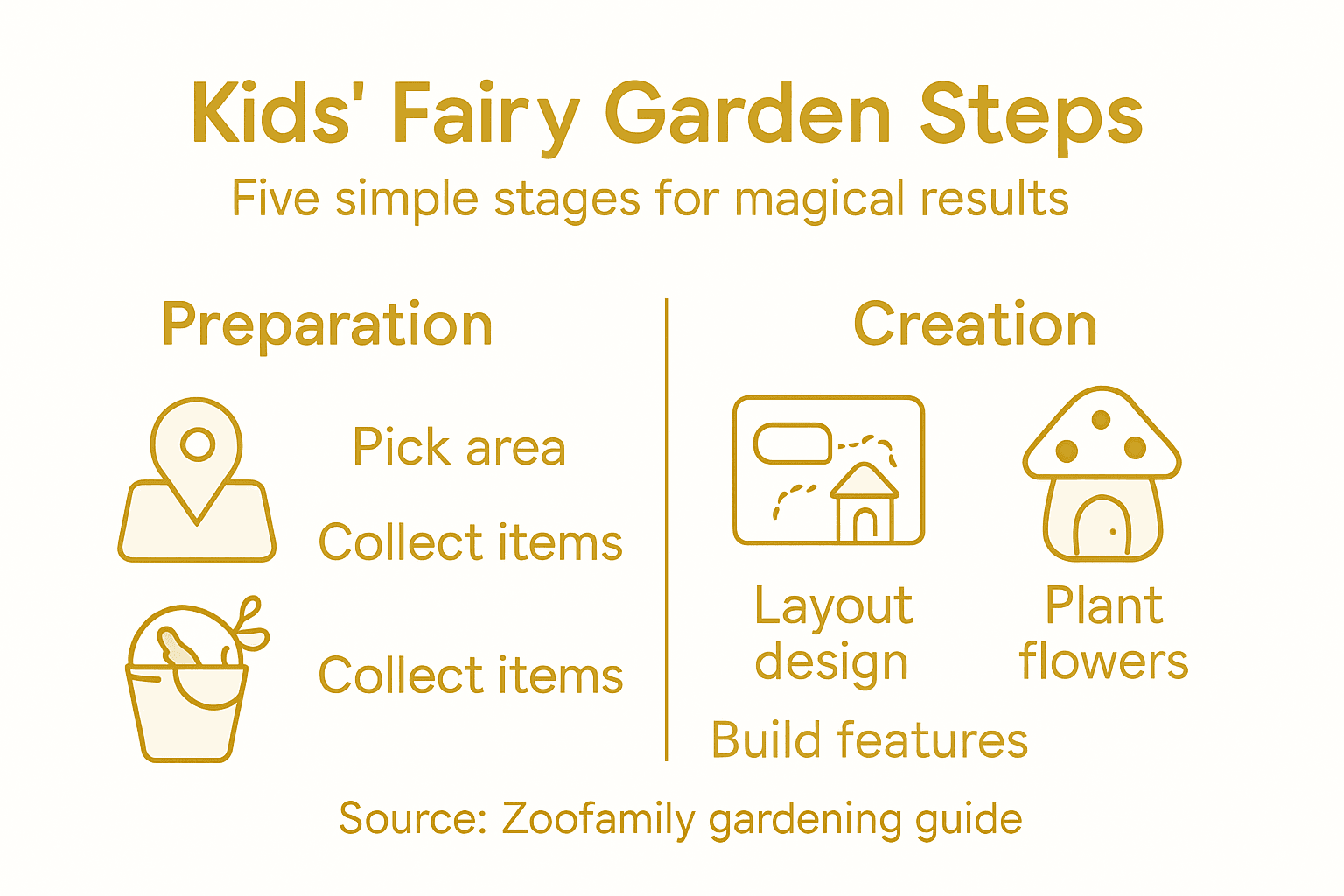
- Step 1: Select an Area and Gather Eco-Friendly Materials
- Step 2: Design a Magical Layout with Natural Elements
- Step 3: Build Fairy Features Using Sustainable Resources
- Step 4: Plant Miniature Vegetation and Native Flowers
- Step 5: Verify Safety and Eco-Impact for Child Play
Quick Summary
| Key Point | Explanation |
|---|---|
| 1. Choose a safe location | Select a sheltered spot in your garden that offers partial sunlight and is easily accessible for children. |
| 2. Gather eco-friendly materials | Collect natural items like twigs, stones, and leaves to create an authentic fairy garden experience without harming the environment. |
| 3. Design distinct garden zones | Create different areas within the garden, like a playground or dining space, using collected materials to tell a story. |
| 4. Include native plants | Plant compact, local vegetation that thrives in your area, encouraging ecological responsibility and supporting local wildlife. |
| 5. Conduct safety checks | Regularly inspect the garden for safety risks like toxic plants or sharp edges, ensuring a secure play environment for children. |
Step 1: Select an Area and Gather Eco-Friendly Materials
Creating a magical fairy garden begins with choosing the perfect outdoor location and collecting natural materials that will bring your miniature world to life. Your goal is to design an enchanting space where children can explore their imagination while connecting with nature.
Start by selecting a safe and sheltered spot in your garden that offers some shade and protection. Inspiring children’s outdoor curiosity requires a thoughtful approach to space selection. Look for an area that:
- Has partial sunlight throughout the day
- Features some natural ground cover like grass or moss
- Provides easy access for children
- Is relatively flat and stable
Next, gather your eco-friendly materials. Nature provides an incredible array of components for building your fairy garden. According to sustainable fairy house building recommendations, you’ll want to collect natural items such as:
- Small twigs and branches
- Interesting stones and pebbles
- Fallen leaves
- Pinecones
- Acorns and seed pods
- Bark fragments
- Feathers
- Dried flowers
Ensure all materials are clean, dry, and free from insects before bringing them into your garden workspace. Children can help collect these treasures, turning the gathering process into an exciting outdoor adventure.
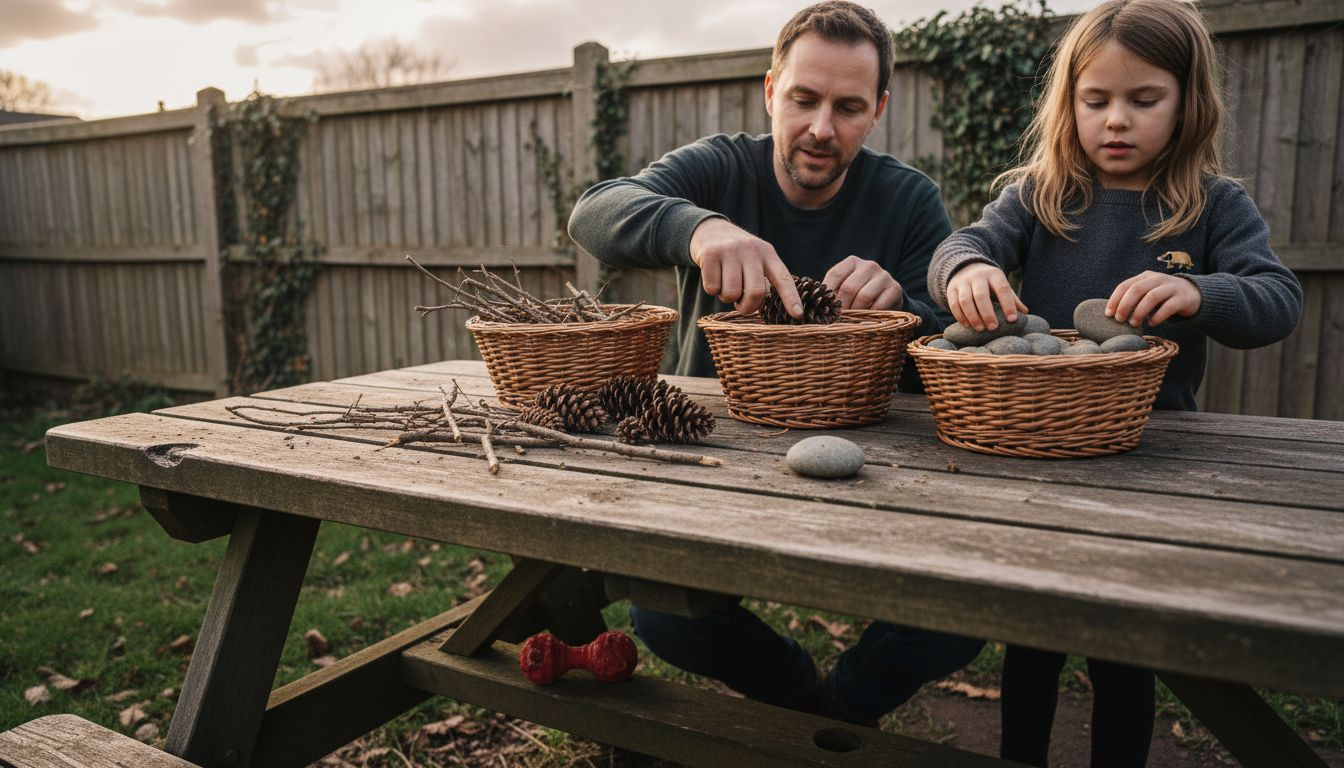
Here is a quick comparison of popular natural materials and their typical uses in fairy gardens:
| Material Type | Typical Use | Durability | Eco-Friendliness |
|---|---|---|---|
| Twigs & Branches | Walkways and fences | Moderate | Completely biodegradable |
| Stones & Pebbles | Garden edges and pathways | High | Harmless to ecosystems |
| Bark Fragments | Fairy house walls and roofs | Moderate | Biodegrades over time |
| Pinecones | Decorative garden features | Good | Home for insects |
| Acorns & Seed Pods | Miniature furniture | Low | Attract wildlife |
Natural materials create more engaging and authentic fairy garden experiences compared to synthetic alternatives.
Top Tip: Always supervise children during material collection and teach them to respect nature by only gathering fallen items and avoiding damaging living plants.
Step 2: Design a Magical Layout with Natural Elements
Now that you’ve gathered your materials, it’s time to transform your outdoor space into an enchanting fairy garden that will spark your children’s imagination and creativity. Creating interconnected discovery spaces is key to designing an engaging miniature landscape.
Begin by imagining the garden from a fairy’s perspective. Select a natural base like a wooden board, slate, or flat stones that will serve as the foundation for your magical world. According to fairy garden design recommendations, consider creating distinct zones within your garden:
- A sleeping area with tiny moss beds
- A playground zone with pebble pathways
- A dining area using acorn cap ‘tables’
- A garden section with miniature flower landscapes
Use your collected natural materials to craft intricate details. Twigs can become fairy walkways, stones can form boundaries, and seed pods might serve as quirky fairy houses. Arrange these elements to create depth and visual interest, ensuring each section tells a small story.
Imagination transforms simple natural objects into magical miniature landscapes.
Consider adding movement and whimsy by incorporating elements that interact with the environment. Tiny wind chimes made from feathers, a small water feature using a smooth stone, or pathways that wind through different ‘regions’ can make the garden feel alive and dynamic.
Top Tip: Involve your children in the design process, encouraging them to share their ideas and help place the miniature elements to make the fairy garden truly magical.
Step 3: Build Fairy Features Using Sustainable Resources
With your magical landscape planned, it’s time to bring your fairy garden to life by crafting intricate features using only natural, sustainable materials. Sustainable garden feature construction offers an incredible opportunity to teach children about environmental stewardship while unleashing their creativity.
Begin by transforming your collected natural materials into whimsical fairy elements. Select lightweight, biodegradable resources like wood slices, bark, pinecones, and acorns to create miniature structures. According to natural fairy house building techniques, consider crafting the following features:
- Tiny houses from hollowed bark pieces
- Furniture using wood slices and twigs
- Bridges made from fallen branches
- Pathways constructed with smooth stones
- Miniature fences using thin twigs
Each element should be carefully assembled to ensure stability while maintaining a natural, organic appearance. Use small amounts of natural twine or plant-based glue if needed to secure delicate components, but aim to keep the construction as close to nature as possible.
Nature provides the most magical building materials for fairy gardens.
Encourage your children to experiment with different arrangements, creating tiny scenes that tell imaginative stories. Layer your materials to add depth and texture, using moss as ground cover and small pebbles to create intricate landscaping details.
Top Tip: Collect materials together as a family activity, teaching children to respect nature by only gathering fallen items and avoiding damage to living plants.
Step 4: Plant Miniature Vegetation and Native Flowers
With your fairy garden’s structure complete, it’s time to breathe life into the landscape by introducing delicate miniature plants that will transform your creation into a living, breathing ecosystem. Engaging children in garden planting offers a wonderful opportunity to teach ecological responsibility and nurture their connection with nature.
Focus on selecting compact, native plant varieties that thrive in your specific environment. Creating child-friendly discovery gardens suggests incorporating plants that support local wildlife and provide sensory experiences. Consider these miniature options:
- Tiny succulent varieties
- Miniature ferns
- Small alpine flowers
- Compact moss species
- Diminutive wildflowers native to your region
When planting, use shallow containers or create small pockets within your fairy garden’s landscape. Ensure each plant receives appropriate sunlight and moisture, using small stones or bark pieces to create drainage and visual interest around the root systems.
Native plants transform fairy gardens from static displays into living ecosystems.
Encourage your children to participate in the planting process, teaching them about each plant’s unique characteristics and importance to local wildlife. Allow them to carefully position plants, understanding the delicate balance of creating a thriving miniature world.
Top Tip: Select plants that require minimal maintenance and are well-suited to your local climate to ensure long-term success and reduce unnecessary watering.
Step 5: Verify Safety and Eco-Impact for Child Play
Before your children begin exploring their magical fairy garden, it’s crucial to conduct a comprehensive safety and environmental assessment. Connecting kids safely with nature requires careful consideration of materials, plants, and potential hazards.
Begin by thoroughly examining all garden components for potential risks. According to child-friendly gardening guidelines, pay close attention to these critical safety elements:
- Remove any plants with thorns or sharp edges
- Check for non-toxic plant varieties
- Ensure no choking hazards from small materials
- Verify stability of constructed fairy features
- Eliminate any chemically treated materials
- Confirm all elements are securely fastened
Evaluate the ecological impact by selecting materials that are renewable, biodegradable, and supportive of local ecosystems. Consider the long-term environmental footprint of each component you’ve introduced to the garden.
Creating a safe play space means protecting both children and the natural environment.
Involve your children in the safety check, teaching them how to assess their surroundings and respect the delicate balance of their miniature ecosystem. This process becomes an educational opportunity about environmental stewardship and personal safety.
For easy reference, here is a summary of child safety checks for fairy gardens:
| Safety Aspect | What to Inspect | Why It Matters |
|---|---|---|
| Plant Safety | Avoid toxic species | Prevents allergic reactions or poisoning |
| Material Size | No small loose pieces | Reduces choking risk |
| Structural Stability | Features firmly anchored | Prevents collapse and injury |
| Surface Finish | No rough/sharp edges | Reduces cuts and scrapes |
| Chemical Exposure | Only untreated materials | Maintains a toxin-free environment |
Top Tip: Conduct a monthly safety review of the fairy garden, involving children in the process to develop their observation and critical thinking skills.
Bring Your Child’s Fairy Garden Adventures to Life with The Zoofamily
Creating a magical and eco-friendly fairy garden is a wonderful way to boost your child’s imagination while fostering a deep connection with nature. However, gathering safe, sustainable materials and encouraging exploratory play outdoors can be a challenge for many families seeking meaningful ways to nurture curiosity. This article emphasises the importance of natural, biodegradable components and child-safe features — all essential for a thriving miniature ecosystem that inspires wonder and environmental stewardship.
At The Zoofamily, we understand the desire to cultivate these precious outdoor experiences and help children discover the natural world with joy and safety. Our range of kids’ cameras, walkie-talkies, and binoculars is designed to stimulate creativity and active exploration, perfectly complementing your fairy garden project. Each purchase supports reforestation efforts, aligning with the sustainable values you seek for your family.
Unlock hands-on discovery and inspire a lifelong love for the planet by exploring our collection today at The Zoofamily. Together, let us create magical memories surrounded by nature’s beauty. Start your adventure now and watch your child’s imagination bloom.
Frequently Asked Questions
What materials should I collect for a fairy garden?
Collect eco-friendly materials such as twigs, small stones, pinecones, and acorns. Gather these items from your garden or nearby parks, ensuring they are clean and insect-free.
How can I create distinct areas in my fairy garden?
Design distinct zones by arranging your materials to represent different areas, such as a playground, sleeping area, and garden section. Use natural items like branches for pathways and moss for ground cover to enhance the setup and create interesting narratives.
How do I ensure the safety of my fairy garden for children?
Verify that all materials are non-toxic, stable, and free from sharp edges or choking hazards. Perform a thorough inspection to ensure everything is safe before allowing children to play in the garden.
What types of plants are suitable for a fairy garden?
Select compact, native plants that thrive in your local conditions, like tiny succulents or miniature ferns. Consider incorporating plants that attract local wildlife, enriching the garden ecosystem.
How can I involve my children in the fairy garden creation process?
Encourage your children to help gather materials, design layouts, and plant vegetation. This hands-on approach fosters their creativity and teaches them about nature simultaneously.
How often should I check the fairy garden for maintenance and safety?
Conduct monthly reviews of the fairy garden to ensure all components remain safe and maintain the overall appearance. Engage your children in this process to develop their observational skills and environmental awareness.