

Nature scavenger hunts are quickly becoming a family favourite, with outdoor activities linked to improved cognitive and physical skills in children according to Stanford research. Most people assume scavenger hunts are just a simple afternoon out, a basic bit of fun in the park. Yet, the real magic lies in how these adventures unlock curiosity, nurture observation, and turn everyday walks into journeys full of surprising discoveries for both kids and adults.
Table of Contents
- Understand The Benefits Of Nature Scavenger Hunts
- Prepare A Basic Scavenger Hunt List For Beginners
- Incorporate Local Flora And Fauna Into Your Hunt
- Use Technology For Interactive Nature Hunts
- Create Themed Scavenger Hunts For Different Seasons
- Organise Group Scavenger Hunts For Family Fun
- Tips For Making Nature Scavenger Hunts Educational
Quick Summary
| Takeaway | Explanation |
|---|---|
| Engage children with nature scavenger hunts | These activities enhance cognitive and physical skills while entertaining kids in an interactive way. |
| Design beginner lists with careful thought | Lists should balance accessibility and interest, promoting safety and observation without disturbing wildlife. |
| Incorporate local biodiversity | Learning about native flora and fauna fosters ecological understanding and scientific curiosity in children. |
| Utilise technology wisely | Technology can enrich scavenger hunts by aiding discovery and observation through apps and digital tools. |
| Create seasonal themed hunts | Tailoring hunts to seasonal changes deepens environmental awareness and engagement throughout the year. |
1: Understand the Benefits of Nature Scavenger Hunts
Nature scavenger hunts transform ordinary outdoor experiences into extraordinary learning adventures for families. These interactive explorations encourage children to connect deeply with the natural world, moving beyond digital distractions and screens. Our guide on engaging kids’ activities highlights how such experiences can be both educational and entertaining.
Children gain multiple developmental benefits from participating in nature scavenger hunts. Research from Stanford University’s Center for Education Policy Analysis demonstrates that structured outdoor activities significantly enhance cognitive and physical skills. These experiences provide opportunities for children to develop critical thinking, observational skills, and environmental awareness.
The advantages of nature scavenger hunts extend far beyond simple entertainment. Key benefits include:
-
Physical exercise through walking and exploring outdoor environments
-
Sensory learning that engages multiple cognitive pathways
-
Environmental understanding by directly interacting with natural ecosystems
Moreover, these activities strengthen family bonds by creating shared experiences and memories. Parents can guide children through fascinating discoveries, asking open-ended questions that spark curiosity and encourage deeper exploration. The hunt becomes more than a game it transforms into a collaborative learning journey where every leaf, rock, and creature tells a story.
By integrating playful exploration with educational objectives, nature scavenger hunts offer a holistic approach to childhood learning. They nurture a child’s innate sense of wonder while providing structured opportunities for growth and discovery.
2: Prepare a Basic Scavenger Hunt List for Beginners
Creating a successful nature scavenger hunt requires thoughtful preparation and a strategic approach to engaging young explorers. Our tips for exciting photography scavenger hunts offer additional insights into designing interactive experiences.
Designing an effective beginner scavenger hunt list involves selecting items that are accessible, interesting, and age-appropriate. Research from National Wildlife Federation suggests children learn best through direct, sensory interactions with their environment.
When crafting your list, consider these fundamental principles:
-
Variety in difficulty: Include items easily spotted and some requiring careful observation
-
Safety first: Ensure all items can be observed without disturbing natural habitats
A basic nature scavenger hunt list for beginners might include:
-
Something green and leafy
-
A bird or insect in flight
-
A smooth stone
-
Something that makes noise in nature
-
A fallen branch or twig
Parents should encourage children to document their discoveries through sketching, photographing, or writing descriptions rather than collecting physical items. This approach promotes environmental respect and minimises ecological disruption.
Additionally, providing simple tools like magnifying glasses or notebooks can transform the hunt into a more immersive scientific exploration. Children become amateur naturalists, developing observation skills and cultivating a genuine connection with the natural world.
Remember that flexibility is key. Allow children to interpret the list creatively and celebrate their unique observations, turning the scavenger hunt into an engaging, personalised learning experience.
3: Incorporate Local Flora and Fauna into Your Hunt
Transforming a generic nature scavenger hunt into an immersive local ecosystem exploration requires understanding the unique biodiversity of your environment. Our guide on photography scavenger hunts can provide additional inspiration for creating engaging experiences.
Local flora and fauna offer an extraordinary opportunity to teach children about ecological interconnectedness. According to National Geographic’s Wildlife Conservation Research, understanding local ecosystems helps children develop environmental empathy and scientific curiosity.
When designing a hunt focused on local wildlife, consider these strategic approaches:
-
Research native species before planning your expedition
-
Prioritise safe, observable wildlife interactions
Children can explore fascinating aspects of local ecosystems by searching for:
-
Native plant species with unique characteristics
-
Animal tracks or signs of wildlife presence
-
Different types of leaves or bark textures
-
Local bird species and their behaviours
-
Interesting insect habitats
Parents should encourage observation without disruption. Teaching children to appreciate wildlife from a respectful distance helps develop ecological understanding. Provide simple field guides or smartphone apps that help identify local species, transforming the hunt into an educational journey.
By focusing on local biodiversity, families create meaningful connections with their immediate natural environment. Each discovery becomes a learning opportunity, revealing the complex and fascinating world existing just beyond our doorstep. Children learn that nature is not a distant concept but a living, breathing system they are part of and can help protect.
4: Use Technology for Interactive Nature Hunts
Modern technology offers exciting opportunities to enhance nature scavenger hunts, transforming traditional outdoor exploration into an engaging digital learning experience. Our guide on making learning fun for kids highlights the importance of integrating interactive tools with educational activities.
According to Cornell Lab of Ornithology’s Digital Learning Research, technology can significantly amplify children’s connection with nature when used thoughtfully. Digital tools can bridge the gap between curiosity and scientific understanding, providing immediate context and information about discoveries.
Technology-enhanced nature hunts offer several innovative approaches:
-
Use smartphone apps for species identification
-
Implement digital photography challenges
-
Leverage GPS tracking for route mapping
Key technological tools for interactive nature hunts include:
-
Wildlife identification apps
-
Digital field guides
-
Mapping and tracking applications
-
Nature journaling digital platforms
-
Educational wildlife databases
Parents should establish clear boundaries and supervision when incorporating digital devices into outdoor experiences. The goal is to use technology as a supplementary tool that enhances observation and learning, not as a replacement for direct environmental interaction.
Children can document their discoveries through digital photographs, create online nature journals, or use augmented reality apps that provide real-time information about local ecosystems. These approaches transform the scavenger hunt from a simple game into an immersive, educational journey that combines physical exploration with technological insights.
By carefully integrating digital tools, families can create a dynamic, interactive learning experience that captures children’s imagination and fosters a deeper understanding of the natural world.
5: Create Themed Scavenger Hunts for Different Seasons
Seasonal nature scavenger hunts offer families unique opportunities to explore ecological transformations and understand the dynamic rhythms of natural environments. Our guide on engaging kids’ activities emphasises the importance of creating varied, stimulating experiences for children.
Research from The Royal Horticultural Society demonstrates that children develop deeper environmental understanding through seasonal observations. Each season presents a distinctive landscape of discovery, revealing different aspects of ecological systems.
When designing seasonal scavenger hunts, consider these fundamental principles:
-
Adapt challenges to seasonal characteristics
-
Focus on observable natural changes
Seasonal scavenger hunt ideas include:
-
Spring: Locate budding flowers, emerging insects, bird nests
-
Summer: Find different leaf shapes, track pollinators, observe cloud formations
-
Autumn: Collect fallen leaves, identify mushroom varieties, watch animal preparation for winter
-
Winter: Observe frost patterns, track animal tracks in snow, identify evergreen plants
Each seasonal hunt provides unique learning opportunities. In spring, children can explore regeneration and growth. Summer offers chances to understand ecosystem interactions. Autumn becomes a lesson in adaptation and preparation, while winter reveals nature’s resilience.
Parents should encourage children to document seasonal changes through photographs, drawings, or written observations. This approach transforms the scavenger hunt from a simple game into a scientific journaling experience, helping children develop observational skills and environmental appreciation.
By creating season-specific challenges, families make nature exploration a continuous, evolving adventure that keeps children engaged, curious, and connected to the natural world throughout the year.
6: Organise Group Scavenger Hunts for Family Fun
Group nature scavenger hunts transform outdoor exploration into a collaborative, exciting social experience that strengthens family bonds and encourages collective learning. Our guide on making learning fun for kids highlights the importance of interactive group activities.
Psychological research from the American Psychological Association demonstrates that shared outdoor experiences significantly enhance family relationships and children’s social skills. Group scavenger hunts create opportunities for intergenerational learning and communication.
When planning group nature scavenger hunts, consider these strategic approaches:
-
Create age-appropriate challenges
-
Ensure inclusive participation
Effective group scavenger hunt strategies include:
-
Divide participants into mixed-age teams
-
Assign specific roles to each team member
-
Implement point systems for discoveries
-
Encourage collaborative problem solving
-
Design challenges requiring teamwork
Parents and guardians play a crucial role in facilitating these group experiences. Adult supervision transforms the hunt from a simple game into an educational adventure, providing context, guidance, and safety.
The key is balancing structured activities with spontaneous exploration. Teams can compete gently, focusing on collective discovery rather than strict competition. This approach ensures that children learn cooperation, communication, and appreciate diverse perspectives.
Group scavenger hunts offer more than environmental education. They become memorable family experiences that create lasting connections, teaching children the value of teamwork, observation, and shared discovery in the natural world.
7: Tips for Making Nature Scavenger Hunts Educational
Transforming nature scavenger hunts into meaningful educational experiences requires intentional design and thoughtful facilitation. Our guide on engaging kids’ activities emphasises the importance of creating purposeful learning opportunities.
Educational research from the National Science Teaching Association demonstrates that hands-on environmental exploration significantly enhances scientific literacy and ecological understanding among children.
Key principles for educational nature scavenger hunts include:
-
Connect discoveries to broader ecological concepts
-
Encourage scientific observation and documentation
Strategic educational approaches involve:
-
Introducing scientific terminology
-
Asking reflective questions about observations
-
Linking discoveries to ecosystem interactions
-
Discussing environmental conservation
-
Exploring biodiversity principles
Parents can elevate the educational value by preparing supplementary learning materials that provide context for children’s discoveries. This might include simple field guides, age-appropriate scientific explanations, or comparative resources that help children understand the broader significance of their observations.
The most effective educational scavenger hunts go beyond mere identification. They inspire curiosity, critical thinking, and a deeper appreciation for natural systems. By framing each discovery as part of a complex, interconnected ecosystem, families can transform a simple outdoor activity into a profound learning experience.
Ultimately, the goal is to nurture children’s innate wonder about the natural world, encouraging them to become thoughtful, engaged learners who view environmental exploration as an ongoing, exciting journey of discovery.
Below is a comprehensive table summarising the article’s seven inspiring nature scavenger hunt ideas for families, key steps, benefits, and core outcomes covered throughout the text.
| Key Section | Core Summary | Educational/Practical Outcome |
|---|---|---|
| Benefits of Nature Scavenger Hunts | Foster cognitive, physical, and sensory development; strengthen family bonds through shared discovery. | Enhances critical, observational, and environmental skills. |
| Preparing a Basic Scavenger Hunt List | Select age-appropriate, accessible items; encourage observation and documentation rather than collecting objects. | Promotes safety, creative thinking, and environmental respect. |
| Local Flora and Fauna Integration | Focus on native plants and wildlife, using research and guides to build local ecology awareness. | Cultivates ecological understanding and curiosity for local nature. |
| Using Technology for Interactive Hunts | Incorporate identification apps, digital photography, and GPS tools under clear guidelines. | Blends digital skills with outdoor exploration and learning. |
| Themed Scavenger Hunts for Different Seasons | Adapt challenges to spring, summer, autumn, and winter; encourage tracking of seasonal changes. | Deepens appreciation for evolving ecosystems year-round. |
| Organising Group Scavenger Hunts | Plan collaborative, inclusive games for families with team roles and problem-solving. | Fosters teamwork, communication, and social learning. |
| Educational Tips for Meaningful Hunts | Link findings to scientific terms, conservation, and ecosystem concepts; use supplementary guides and reflection. | Builds scientific literacy, critical analysis, and stewardship. |
Make Every Nature Scavenger Hunt Magical With The Zoofamily
Are you excited by the idea of inspiring your child’s curiosity outdoors, yet struggle to keep them engaged and away from screens? This article addresses a common challenge for families—transforming ordinary outdoor time into truly memorable learning adventures. The key pain point mentioned is finding meaningful ways to foster a deep, lasting connection between children and the natural world, making every scavenger hunt both fun and educational.
Imagine how much more thrilling each nature mission can become when your child is equipped with the right tools. With The Zoofamily’s range of kids’ cameras, walkie-talkies, and binoculars, exploring becomes an interactive journey. The animal-inspired designs spark curiosity, while each camera sold supports nature by planting a tree. Start building unforgettable memories and help restore the planet at the same time. Discover how our products can transform your next outdoor adventure in a way that is both educational and impactful by visiting The Zoofamily.
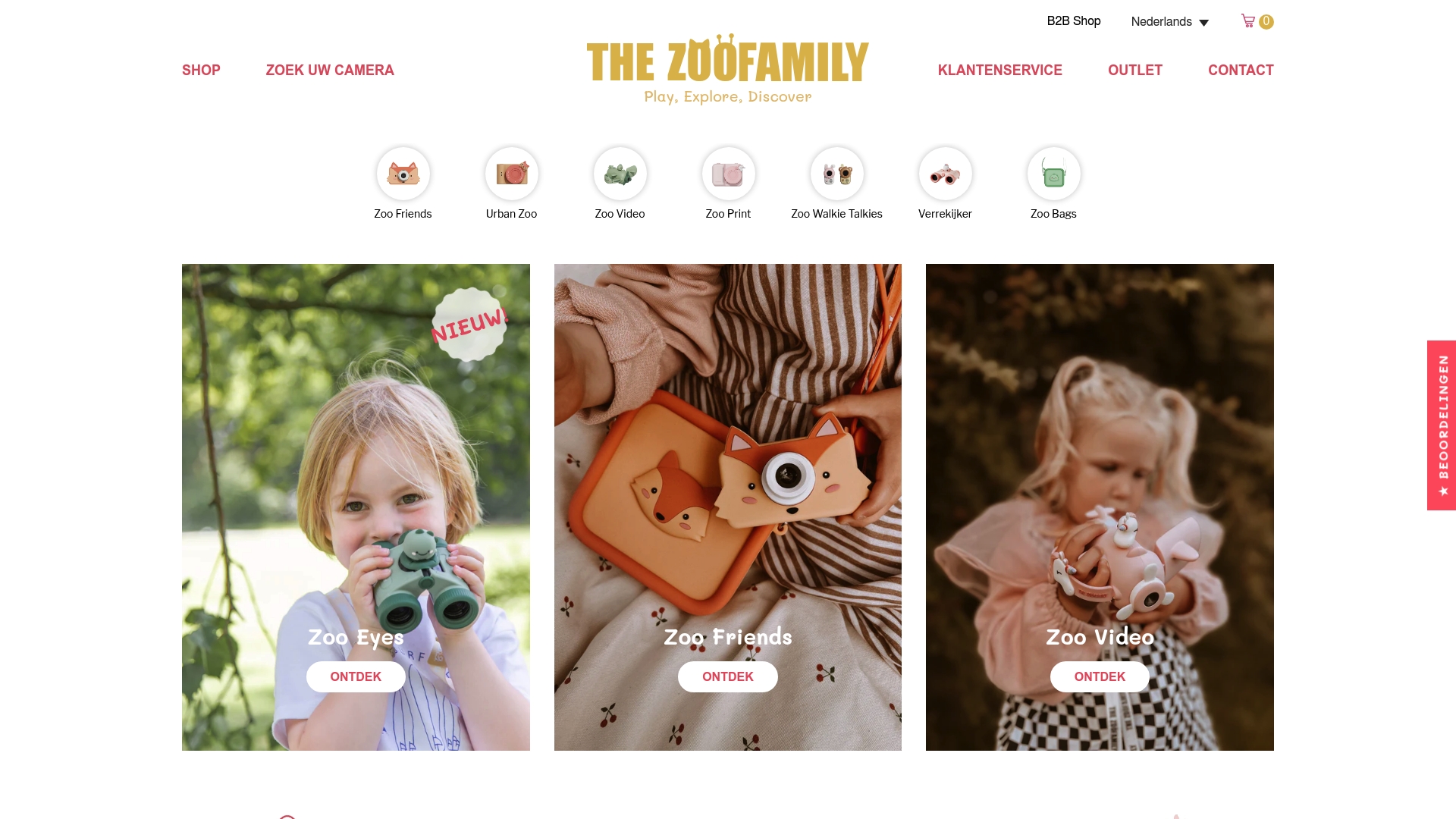
Challenge yourself to create the most inspiring scavenger hunts yet. Equip your young explorers with fun, eco-friendly gear from The Zoofamily today and watch their love for nature grow. Explore our collection now and turn your next family outing into a magical learning experience.
Frequently Asked Questions
What are the benefits of nature scavenger hunts?
Nature scavenger hunts offer numerous benefits, including physical exercise, enhanced cognitive skills, sensory learning, and a deeper understanding of the environment. They also promote family bonding through shared experiences.
How do I create a beginner-friendly scavenger hunt list?
To create a beginner-friendly scavenger hunt list, select items that are easily accessible and interesting for children. Include a variety of items with different difficulty levels and ensure safety by observing wildlife without disrupting natural habitats.
How can local flora and fauna be incorporated into the scavenger hunt?
Incorporating local flora and fauna into a scavenger hunt involves researching native species, observing animal tracks, and identifying unique plants. This approach helps children develop environmental empathy and a connection to their local ecosystems.
What are some tips for using technology during a nature scavenger hunt?
When using technology in nature scavenger hunts, consider using smartphone apps for species identification, digital photography challenges, or GPS tools for mapping routes. Ensure to establish clear boundaries for device use to maintain a balance between digital interaction and direct engagement with nature.