

Finding gifts that genuinely spark childhood wonder while respecting our planet often leaves parents puzzled. Many believe expensive tech gadgets or elaborate toys best inspire curiosity, yet research shows nature-connected, eco-friendly gifts foster deeper engagement and lasting learning. This guide explores how thoughtful, sustainable present choices nurture curiosity and appreciation for the natural world in children aged 3-10, offering practical strategies to select gifts that truly matter for development and environmental stewardship.
Table of Contents
- Key takeaways
- Understanding childhood wonder and its importance
- How eco-friendly gifts inspire curiosity and nature appreciation
- Choosing engaging gifts that nurture wonder in children aged 3-10
- Spark childhood wonder through play and involvement with nature
- Explore eco-friendly gifts and nature-inspired play at The Zoofamily
- Frequently asked questions
Key Takeaways
| Point | Details |
|---|---|
| Nature connected gifts | Gifts that link play and learning to natural elements encourage ongoing curiosity and environmental appreciation in children aged 3 to 10. |
| Sustainable materials matter | Choosing toys made from wood, organic textiles, natural rubber and other renewable materials helps children connect with the earth and reduces environmental impact. |
| Certifications guide choice | Look for marks such as FSC, GOTS and safety certifications to verify genuine sustainability and child safety. |
| Outdoor play benefits curiosity | Eco friendly gifts that promote outdoor play support curiosity development and emotional wellbeing through time spent in nature. |
Understanding childhood wonder and its importance
Childhood wonder represents that magical state when children view the world with fresh eyes, asking endless questions and exploring everything with genuine fascination. For ages 3-10, this natural curiosity drives active learning, pushing children to investigate, experiment, and make sense of their surroundings. Natural curiosity in children forms the foundation for cognitive development, emotional intelligence, and lifelong learning habits.
Nurturing wonder delivers substantial developmental benefits. Children who regularly experience curiosity-driven exploration develop stronger problem-solving skills, enhanced creativity, and greater emotional resilience. They learn to observe carefully, ask meaningful questions, and persist through challenges. These capabilities extend far beyond childhood, shaping how individuals approach learning and innovation throughout life.
Many parents misunderstand how to stimulate curiosity effectively. Common misconceptions include believing expensive technology always beats simple toys, or that structured educational programmes matter more than free exploration. Research consistently shows unstructured nature play and hands-on discovery create deeper engagement than passive screen time or rigid instruction.
Pro Tip: Model curiosity yourself by wondering aloud, asking questions, and exploring alongside your child. Children mirror adult behaviour, so demonstrating genuine interest in nature and discovery amplifies their own engagement.
Experts emphasise that allowing children to explore natural environments fosters emotional well-being and reduces stress. Time spent outdoors, interacting with plants, animals, and natural materials, provides sensory richness that indoor environments cannot match. This connection to nature builds appreciation for environmental stewardship from an early age, creating citizens who value and protect the planet.
How eco-friendly gifts inspire curiosity and nature appreciation
Eco-friendly gifts align perfectly with nurturing childhood wonder by combining educational value with environmental responsibility. These presents teach children that playtime choices impact the planet, instilling sustainable values whilst providing engaging learning experiences. Unlike plastic toys that break quickly and end up in landfills, sustainable gifts often feature natural materials that feel better, last longer, and connect children to the earth.
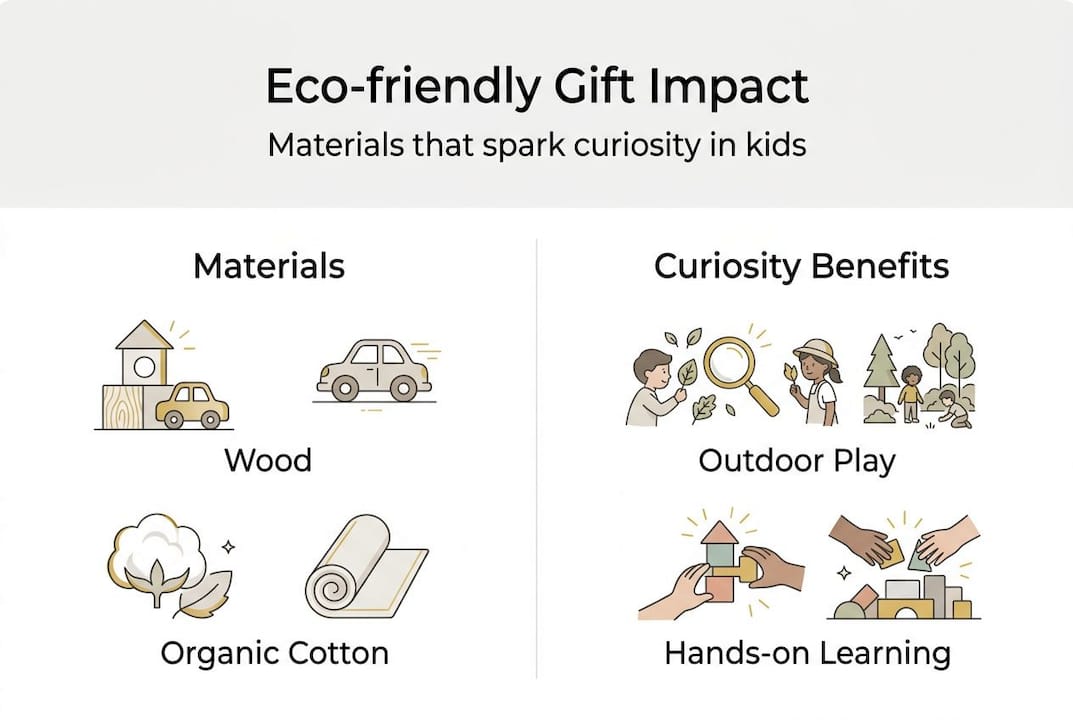
Common eco-friendly materials include sustainably harvested wood, organic cotton, natural rubber, bamboo, and recycled components. Wood toys offer tactile richness and durability, encouraging imaginative play without electronic distractions. Organic textiles feel softer against skin and avoid harmful chemicals found in conventional fabrics. Natural rubber provides flexibility for outdoor toys whilst biodegrading safely. Bamboo grows rapidly without pesticides, making it an excellent renewable resource for various products.
| Material type | Environmental impact | Learning value | Durability |
|---|---|---|---|
| Sustainably harvested wood | Low carbon footprint, biodegradable | High tactile engagement, open-ended play | Excellent, multi-generational |
| Organic cotton | No pesticides, less water pollution | Soft sensory experiences, creative crafts | Good with proper care |
| Natural rubber | Biodegradable, renewable resource | Flexible outdoor exploration | Very good, weather-resistant |
| Recycled plastics | Reduces waste, lower new production | Variable depending on design | Good to excellent |
| Bamboo | Rapid growth, minimal resources | Smooth texture, lightweight handling | Good, naturally antimicrobial |
Pro Tip: Look for certifications like FSC for wood products, GOTS for organic textiles, and safety marks ensuring toys meet European standards. These credentials verify genuine sustainability and quality, protecting both children and environment.
Sustainable gifts often encourage outdoor play and nature interaction, directly supporting curiosity development. Binoculars invite bird watching and wildlife observation. Nature exploration kits prompt collecting leaves, rocks, and insects for closer study. Garden sets teach plant life cycles through hands-on cultivation. These activities build scientific thinking whilst fostering respect for living things and natural systems.
Choosing engaging gifts that nurture wonder in children aged 3-10
Selecting the perfect eco-friendly gift requires considering your child’s interests, developmental stage, and how the present encourages nature connection. Here are five outstanding options that consistently inspire curiosity:
Animal-themed cameras: Durable cameras designed for small hands let children document nature discoveries, encouraging observation and creative expression. The Zoofamily cameras feature animal designs that spark interest in wildlife whilst teaching photography basics.
Binoculars for nature watching: Lightweight, child-friendly binoculars transform ordinary walks into exciting expeditions. Children learn patience and attention to detail whilst spotting birds, insects, and distant landscapes.
Walkie-talkies for outdoor adventures: Communication devices encourage cooperative play outdoors, helping siblings or friends coordinate exploration games whilst developing social skills and imaginative scenarios.
Nature exploration kits: Collections including magnifying glasses, collection containers, and field guides support hands-on investigation of plants, insects, and natural materials found in gardens or parks.
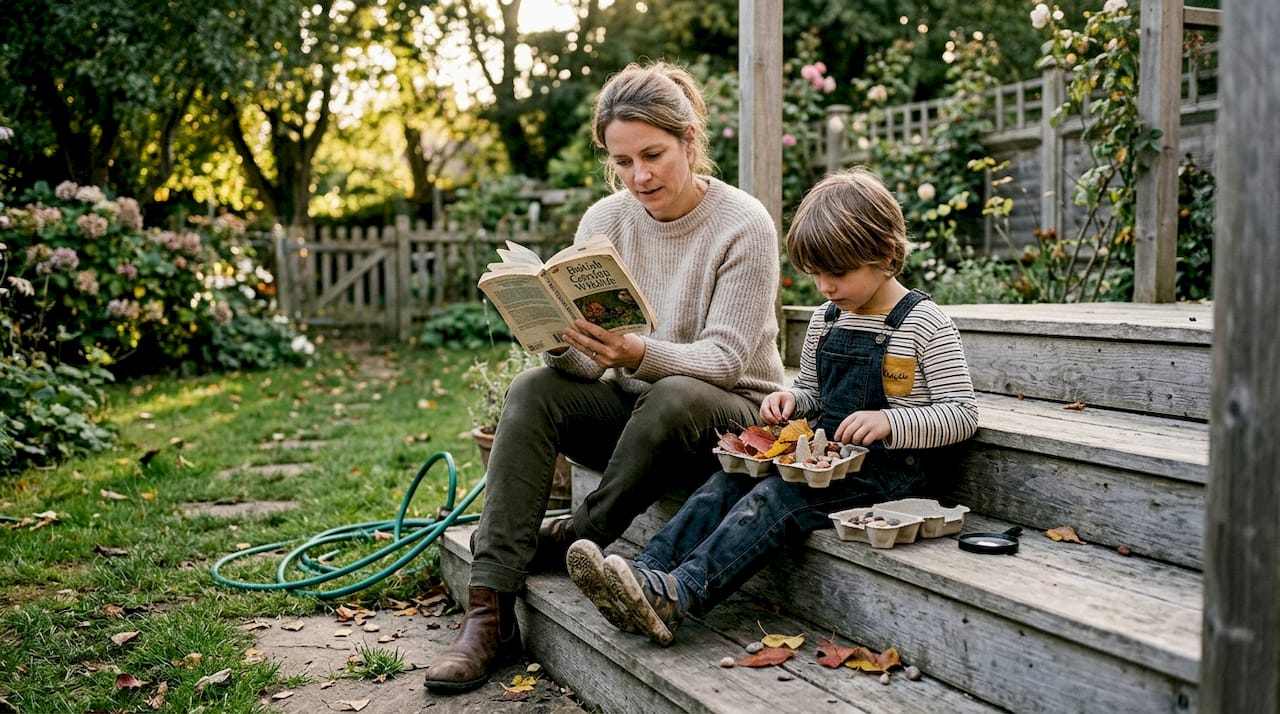
Eco-friendly craft supplies: Natural materials like beeswax crayons, plant-based paints, and recycled paper enable creative expression whilst teaching sustainable art practices.
| Gift type | Educational value | Eco-friendliness | Age suitability | Engagement level |
|---|---|---|---|---|
| Animal cameras | Photography, observation, creativity | High (durable, tree planted per sale) | 3-10 years | Very high |
| Binoculars | Wildlife identification, patience, focus | Medium to high | 5-10 years | High |
| Walkie-talkies | Communication, cooperative play | Medium to high | 4-10 years | High |
| Nature kits | Scientific method, classification | High (reusable tools) | 4-10 years | Very high |
| Eco-craft supplies | Artistic expression, fine motor skills | Very high (natural materials) | 3-10 years | High |
Research shows gifts involving animals and natural elements significantly enhance children’s curiosity by over 28%. This substantial boost occurs because animal themes tap into innate fascination with living creatures, whilst nature elements provide endless variety for exploration.
Follow these steps to select the ideal gift:
- Observe your child’s current interests: Notice which animals, activities, or natural features capture attention during everyday moments.
- Consider developmental stage: Match complexity to abilities, ensuring the gift challenges without frustrating.
- Verify sustainability credentials: Check certifications, materials, and company values to ensure genuine eco-friendliness.
- Prioritise open-ended play: Choose gifts allowing multiple uses and creative interpretation rather than single-purpose items.
- Involve your child in selection: When appropriate, discuss options together to build ownership and excitement whilst teaching decision-making.
Pro Tip: Gifts encouraging interaction with local wildlife and outdoor environments create lasting memories and deeper nature connections than indoor-only toys.
Spark childhood wonder through play and involvement with nature
Even the best eco-friendly gifts deliver maximum impact when paired with active parental involvement and regular nature experiences. Creating routines that integrate outdoor exploration transforms occasional play into sustained curiosity and learning habits.
Outdoor activities complementing nature-inspired gifts include:
- Nature scavenger hunts: Create lists of items to find during park visits, encouraging careful observation and classification skills.
- Wildlife watching sessions: Use binoculars to spot birds, insects, or squirrels, then research species together using field guides or apps.
- Photography expeditions: Take cameras on walks specifically to document interesting plants, animals, or landscapes children notice.
- Garden projects: Plant seeds together, track growth, and observe visiting insects to teach life cycles and ecological relationships.
- Nature journaling: Combine sketching, writing, and specimen collection to create personalised records of outdoor discoveries.
Simple ways parents can deepen engagement include asking open-ended questions about observations, sharing genuine enthusiasm for discoveries, and allowing children to lead exploration at their own pace. Rather than lecturing about facts, wonder aloud together and investigate answers collaboratively. This approach models lifelong learning whilst respecting children’s natural curiosity rhythms.
Research demonstrates creative outdoor games combined with animal interactions significantly stimulate children’s imagination. Activities involving pets or local wildlife provide multisensory experiences that screen time cannot replicate. Feeding birds, watching caterpillars transform, or caring for family pets teaches responsibility whilst maintaining wonder through daily interaction with living creatures.
Establish routines integrating nature-focused play into daily life. Morning garden checks before school, afternoon park visits, or weekend nature walks create consistent opportunities for discovery. Regularity matters more than duration; even 15 minutes daily outdoors builds stronger nature connections than occasional lengthy trips.
Joint participation in activities strengthens parent-child bonds whilst modelling curiosity. When adults demonstrate genuine interest in nature, children perceive exploration as valuable and worthwhile. Sharing discoveries, celebrating observations, and puzzling over mysteries together creates positive associations with outdoor learning that persist throughout childhood and beyond.
Explore eco-friendly gifts and nature-inspired play at The Zoofamily
Nurturing childhood wonder through eco-conscious choices creates lasting benefits for children and our planet. The Zoofamily offers carefully curated sustainable gifts designed to spark curiosity whilst supporting environmental restoration. Each camera sold plants one tree, directly connecting your purchase to positive ecological impact.
Explore our range of animal-themed cameras, binoculars, and walkie-talkies crafted specifically for young explorers aged 3-10. Every product combines durability with engaging design, encouraging outdoor adventures and nature appreciation. Discover additional resources and expert advice for fostering curiosity through nature-based play, helping you make informed choices that align with your values whilst delighting your child.
Frequently asked questions
How can I support my child’s natural curiosity at home?
Create regular opportunities for exploration by providing open-ended materials like magnifying glasses, art supplies, and nature collections. Ask open-ended questions that encourage thinking rather than yes/no answers, and follow your child’s interests rather than imposing rigid learning agendas. Model curiosity yourself by wondering aloud and investigating answers together, showing that learning continues throughout life.
What types of eco-friendly gifts best inspire children?
Gifts made from sustainable materials like wood, organic cotton, and natural rubber that encourage outdoor play consistently generate highest engagement. Products connecting children directly with nature, such as binoculars for wildlife watching, cameras for documenting discoveries, or garden kits for growing plants, foster deeper curiosity than indoor-only toys. Choose items allowing creative, open-ended use rather than single-purpose gadgets.
How do pets influence children’s sense of wonder?
Pets provide hands-on experiences engaging multiple senses simultaneously, from feeling soft fur to observing behaviours and hearing vocalisations. Caring for animals fosters empathy, responsibility, and observation skills as children notice needs and responses. Research shows interacting with pets boosts children’s curiosity by over 28%, making animal companions powerful catalysts for sustained wonder and learning.
At what age should I introduce nature exploration gifts?
Children as young as three benefit from simple nature gifts like sturdy magnifying glasses or collection containers for treasures found outdoors. Match complexity to developmental stage, starting with basic observation tools and progressing to more sophisticated equipment like binoculars or cameras around ages 5-6. The key is ensuring gifts feel manageable rather than frustrating, building confidence alongside curiosity.