

More than 80 percent of parents say outdoor play sparks their child’s curiosity and creativity. Yet many families feel stuck when it comes to offering hands-on activities in their own backyard. Simple projects using natural and recycled materials can turn any outdoor space into a place for wonder, learning, and adventure. Discover practical ways to inspire imaginative play and nurture your child’s connection to nature right at home.
Table of Contents
- Create a Mini Mud Kitchen Using Recycled Materials
- Build a Sensory Path with Stones, Sand, and Wood
- Set Up a Nature Art Zone with Leaves and Sticks
- Design Climbing Structures from Logs and Stumps
- Incorporate Water Play with Small Streams or Ponds
- Encourage Wildlife with Bug Hotels and Birdhouses
- Grow a Living Willow Den for Imaginative Play
Quick Summary
| Takeaway | Explanation |
|---|---|
| 1. Create a Mud Kitchen | Use recycled materials to build a mud kitchen that fosters creativity and sensory play. |
| 2. Build a Sensory Path | Design a sensory path using natural materials to enhance learning through touch and movement. |
| 3. Set Up a Nature Art Zone | Establish a creative area for children to make art using leaves and sticks. |
| 4. Encourage Wildlife with Habitats | Construct bug hotels and birdhouses to support local ecosystems and biodiversity. |
| 5. Grow a Living Willow Den | Create a den using willow branches that grows with your children, merging play and nature education. |
1. Create a Mini Mud Kitchen Using Recycled Materials
Transform your backyard into an imaginative play zone by crafting a mud kitchen that sparks creativity and connects children with nature. Using everyday recycled materials, you can build an outdoor play space that encourages sensory exploration and sustainable learning.
According to Natural Learning, a mud kitchen allows children to engage in open ended play while repurposing materials that might otherwise end up in landfill. This eco friendly project not only entertains kids but teaches them valuable lessons about resourcefulness.
What You Will Need:
- Old wooden pallets or crates
- Donated kitchen utensils
- Recycled containers
- Sturdy work surface
- Optional paint or sealant
Start by selecting a flat outdoor area with some natural ground cover like soil or grass. Old wooden pallets make excellent base structures for your mud kitchen. Collect retired kitchen tools such as wooden spoons, spatulas, and mixing bowls from family or secondhand shops. These items become magical instruments for outdoor culinary adventures.
The magic happens when children mix mud with water creating imaginary recipes and exploring textures. They learn about measurement mixing and creativity while getting wonderfully messy. By using recycled materials, you are teaching environmental consciousness and turning waste into play.
Tip: Always supervise younger children and ensure all materials are safely secured and free from sharp edges.
2. Build a Sensory Path with Stones, Sand, and Wood
Designing a sensory path in your garden transforms an ordinary outdoor space into an extraordinary exploration zone for children. By carefully selecting natural materials like stones, sand, and wood, you create an immersive learning experience that stimulates multiple senses and encourages physical development.
Why Sensory Paths Matter: Children learn through touch and physical interaction with their environment. A sensory path provides an opportunity to explore different textures, balance, and spatial awareness while connecting with natural materials. This hands on experience supports motor skill development and sensory integration in ways traditional playgrounds cannot.
Materials You Will Need:
- Smooth river stones
- Fine and coarse sand
- Wooden planks or tree rounds
- Soft bark chips
- Optional edging materials
Start by selecting a slightly uneven ground area in your garden. Create sections with varying textures arrange stones in interesting patterns and include wooden elements that offer different walking surfaces. Some stones might be flat for stability while others can be slightly uneven to challenge balance.
When exploring nature with children, sensory paths offer an excellent opportunity for learning. Encourage barefoot walking to enhance tactile sensitivity and help children understand how different surfaces feel. Younger children might enjoy touching and examining materials while older kids can turn it into a balancing challenge.
Tip: Always check materials for sharp edges and ensure the path is safe for children of different ages. Supervise younger explorers and make the experience fun and engaging.
3. Set Up a Nature Art Zone with Leaves and Sticks
Turn your outdoor space into a creative wonderland where imagination meets natural materials. A nature art zone invites children to explore artistic expression using leaves sticks and other found objects from the environment around them.
Benefits of Natural Art Creation: Engaging with natural materials supports cognitive development creativity and sensory exploration. When children collect leaves twigs and flowers they learn about texture shape and colour while developing fine motor skills and problem solving abilities.
Materials for Your Nature Art Station:
- Large flat surface like a wooden board
- Collection containers
- Natural materials such as:
- Fallen leaves
- Twigs and small branches
- Pinecones
- Flower petals
- Small stones
- Optional tools like child safe scissors
Set up your art zone in a slightly sheltered outdoor area with a sturdy table or flat ground surface. Encourage children to gather materials during a family walk or garden exploration. This activity transforms simple outdoor elements into magical artistic creations that connect kids with the natural world.
When exploring nature with children, the process matters more than the final product. Let kids experiment freely designing patterns creating collages or building three dimensional sculptures. Some children might make leaf animals while others create intricate designs on the ground.
Remember to teach gentle collection practices respect for living plants and appreciation for natures beauty. Always supervise younger children and help them understand the difference between collecting fallen materials and damaging growing plants.
4. Design Climbing Structures from Logs and Stumps
Transform your outdoor space into an adventurous playground by creating natural climbing structures using logs and tree stumps. These organic play elements offer children a unique opportunity to challenge their physical skills while connecting with the natural environment.
Why Natural Climbing Structures Matter: Climbing is crucial for children’s physical development helping them build strength balance coordination and spatial awareness. Natural materials provide an unpredictable and engaging surface that challenges children more effectively than manufactured playground equipment.
Materials and Considerations:
- Sturdy logs of varying heights
- Tree stumps with flat surfaces
- Solid ground with good drainage
- Safety surface like wood chips
- Optional tools for secure placement
When selecting logs and stumps look for stable pieces without rot or dangerous protrusions. Arrange them at different heights creating a landscape that encourages exploration and risk assessment. Some logs can be placed horizontally for walking while others can be positioned vertically for climbing.
Safety is paramount. Ensure logs are securely anchored and create a soft landing area with wood chips or rubber mulch. Space the climbing elements with enough room for children to navigate safely. Different heights and angles will provide challenges for various age groups and skill levels.
When exploring nature with children, natural climbing structures teach important lessons about balance risk and personal capability. Encourage children to explore their limits while providing gentle supervision and support.
Tip: Regularly inspect your natural climbing area for stability and potential hazards. Treat wooden elements with child safe sealant to prevent splintering and extend their longevity.
5. Incorporate Water Play with Small Streams or Ponds
Water play offers children a magical sensory experience that combines learning scientific principles with pure joy. Creating a small stream or shallow pond in your backyard transforms an ordinary outdoor space into an extraordinary exploration zone where imagination and natural discovery flow together.
Benefits of Water Play: Engaging with water helps children develop critical thinking skills understand basic physics concepts and explore natural ecosystems. Watching water move manipulating its flow and observing how different materials interact creates powerful learning moments that textbooks simply cannot replicate.
Materials for Water Play Area:
- Shallow plastic containers
- Smooth stones
- Small PVC pipes
- Watering cans
- Rubber tubes
- Child safe water pump
- Protective ground cover
Design your water play area with safety as the primary consideration. Choose a slightly sloped ground area that allows gentle water movement. Create a shallow stream using stones to guide water flow and add interesting obstacles. Ensure the area has good drainage and remains supervised during play times.
When exploring nature with children, water play becomes more than just entertainment. Children learn about gravity water pressure and ecological interactions. They might observe how water moves around objects how different materials float or sink and how small creatures interact with water environments.
Tip: Always maintain minimal water depth for young children. Install proper drainage systems and ensure constant adult supervision during water play activities. Consider adding natural elements like small plants around the water play area to enhance the sensory experience.
6. Encourage Wildlife with Bug Hotels and Birdhouses
Create a bustling wildlife sanctuary right in your backyard by constructing simple yet effective bug hotels and birdhouses. These charming structures transform your outdoor space into a thriving ecosystem that teaches children about biodiversity and the delicate balance of nature.
Why Wildlife Habitats Matter: Insects and birds play crucial roles in our environment. They pollinate plants control pest populations and serve as important indicators of ecological health. By providing safe habitats you are essentially creating a mini nature reserve that supports local wildlife populations.
Materials for Wildlife Structures:
- Untreated wooden pallets
- Bamboo tubes
- Pine cones
- Dry leaves
- Clay pots
- Wooden boxes
- Twigs and bark pieces
- Terracotta roof tiles
According to Wildlife Trusts, constructing a bug hotel involves creating multiple compartments with different materials that attract various insect species. Place your wildlife structures in sheltered areas with partial sunlight avoiding direct wind and rain.
When exploring nature with children, building these habitats becomes an interactive learning experience. Encourage children to observe which creatures make their new home and discuss the important ecological roles different insects and birds play.
Tip: Regularly maintain your wildlife structures by cleaning them annually and replacing materials to prevent moisture buildup and potential disease transmission. Always involve children in the observation and gentle maintenance process.
7. Grow a Living Willow Den for Imaginative Play
Imagine creating a magical living playhouse that grows and changes with your children an enchanting willow den that transforms your garden into a natural wonderland. These living structures offer a unique blend of nature exploration imaginative play and sustainable gardening.
Why Willow Dens are Magical: Living willow structures provide children with a dynamic play space that literally grows with them. Unlike traditional playhouses these organic structures teach children about plant life cycles nurturing and environmental stewardship while offering a secret hideaway for adventures and creative exploration.
Materials for Your Willow Den:
- Fresh willow branches
- Sturdy stakes or supports
- Garden twine
- Gardening gloves
- Pruning shears
- Watering can
- Soft ground area
According to the Royal Horticultural Society, growing a willow den requires selecting flexible willow branches and planting them closely together. Create an arch or dome shape by weaving branches and securing them with twine. Choose a sunny location with good soil drainage for optimal growth.
When exploring the benefits of imaginative play, a living willow den becomes more than just a play structure. It becomes a living classroom where children can observe plant growth learn about botanical principles and develop a deep connection with nature.
Tip: Plant your willow den in autumn or early spring for best results. Prune and shape the structure annually to maintain its form and encourage healthy growth. Involve children in the planting and maintenance process to make it a truly collaborative project.
Below is a comprehensive table summarising creative outdoor projects for children using natural and recycled materials as discussed in the article.
| Activity | Materials Needed | Benefits |
|---|---|---|
| Mini Mud Kitchen | Old wooden pallets, kitchen utensils, recycled containers | Encourages creativity, sensory exploration, sustainable learning |
| Sensory Path | Smooth stones, sand, wooden planks, bark chips | Enhances motor skills, sensory integration, spatial awareness |
| Nature Art Zone | Leaves, sticks, pinecones, flower petals, stones | Supports cognitive development, creativity, sensory exploration |
| Climbing Structures | Logs, tree stumps, wood chips | Builds strength, balance, coordination, spatial awareness |
| Water Play Area | Plastic containers, stones, PVC pipes, watering cans | Develops critical thinking, understanding of physics, ecological interactions |
| Wildlife Habitats | Wooden pallets, bamboo tubes, clay pots, roof tiles | Promotes biodiversity, ecological health, environmental education |
| Living Willow Den | Willow branches, stakes, twine, gardening tools | Fosters plant life understanding, imaginative play, environmental stewardship |
Bring Natural Play to Life with The Zoofamily
Creating a meaningful natural playground can be both inspiring and challenging. This article highlights how building mud kitchens, sensory paths, or living willow dens helps children connect deeply with nature while developing essential skills. However, parents often seek ways to enhance these outdoor explorations with tools that spark curiosity and creativity during every adventure.
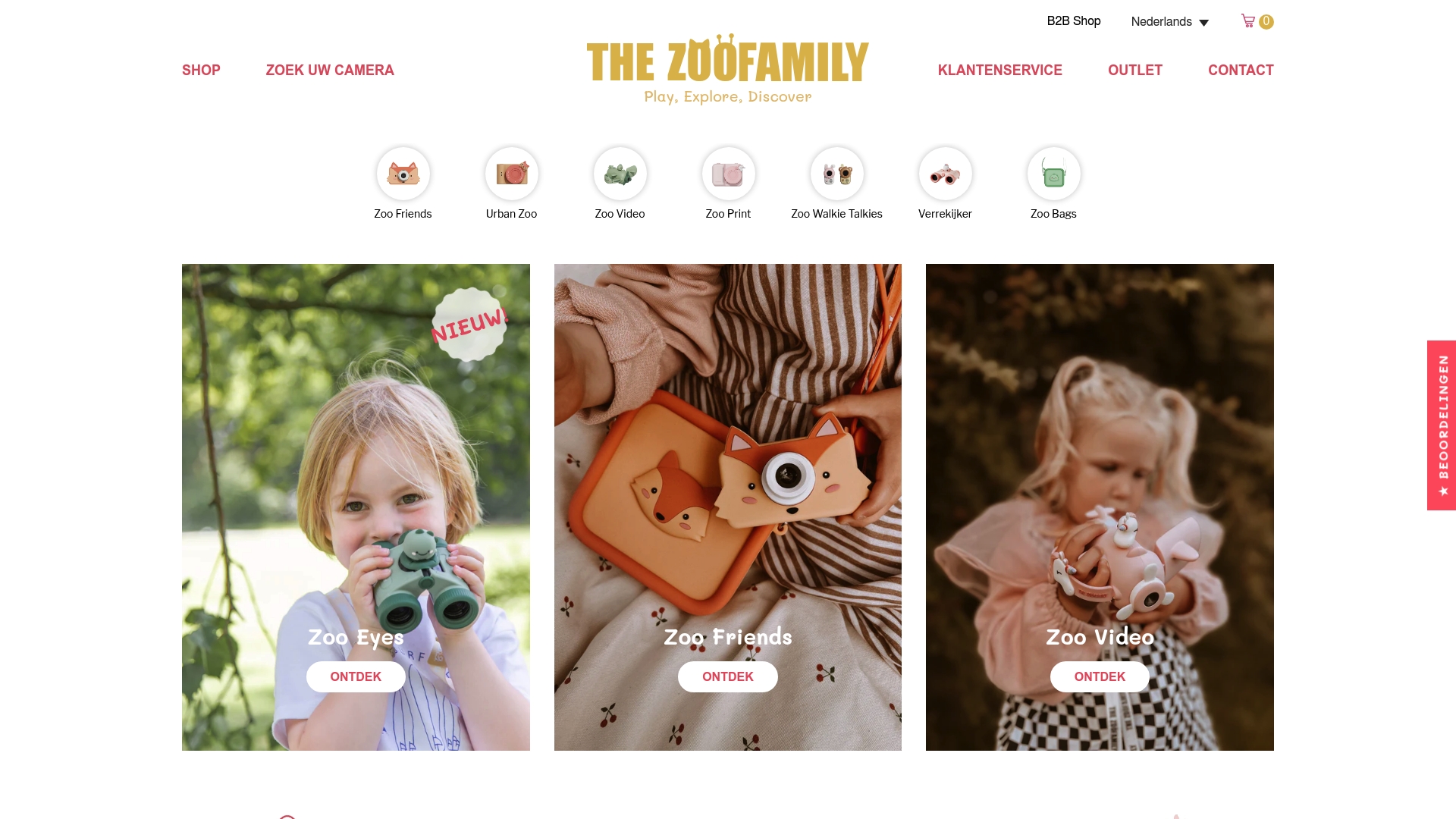
Unlock your child’s passion for the outdoors with The Zoofamily’s unique range of kids’ cameras, walkie-talkies, and binoculars designed to inspire a love for wildlife and discovery. Each item is crafted to encourage imaginative play and environmental appreciation, perfectly complementing natural play spaces like climbing logs or bug hotels. Best of all, for every camera sold, we plant a tree, helping to restore the natural beauty your children enjoy today.
Explore our collection now at The Zoofamily and step up your outdoor family time with engaging gear that transforms nature play into lasting memories. Don’t miss the chance to nurture your little explorer’s connection to the planet while supporting a greener future. Visit https://thezoofamily.com and start your nature adventure today!
Frequently Asked Questions
How can I create a mini mud kitchen using recycled materials?
To create a mini mud kitchen, gather old wooden pallets or crates, kitchen utensils, and recycled containers. Start by selecting a flat outdoor area and securing the materials to set up a fun space for children to play and create with mud and water, allowing them to explore textures and measurements.
What materials do I need to build a sensory path in my garden?
For a sensory path, you will need smooth river stones, fine and coarse sand, wooden planks, and soft bark chips. Arrange these materials in a way that children can walk along and experience different textures, improving their balance and spatial awareness.
How can I set up a nature art zone for kids?
To set up a nature art zone, create a flat surface with a sturdy table, and gather natural materials like leaves, twigs, and flower petals. Encourage children to collect these items during outdoor walks and then use them to craft and create art, fostering creativity and fine motor skills.
What considerations should I keep in mind when designing climbing structures from logs and stumps?
When designing climbing structures, ensure that the logs and stumps are stable and free from rot or sharp edges. Securely anchor the climbing elements and create a safe landing area, like wood chips, to allow children of various ages to explore and develop their physical abilities safely.
How can I incorporate water play into my backyard?
Incorporate water play by designing a small stream or shallow pond using simple containers and natural materials. Ensure the area has good drainage and always supervise children during play times to enhance their understanding of water movement and ecological concepts while enjoying sensory exploration.
How do I build wildlife habitats like bug hotels and birdhouses?
To build wildlife habitats, use untreated wood, bamboo tubes, and natural materials to create spaces for insects and birds. Place the structures in sheltered areas of your yard and engage children in observing the wildlife that comes to their new homes, teaching them about the importance of biodiversity.