

Did you know that over 85 percent of children show increased curiosity when exploring the outdoors? Backyard adventures offer a perfect way to spark young imaginations and build nature skills. From discovering hidden insects to creating art with leaves and listening for secret sounds, simple outdoor activities can turn any green space into a playground for learning and family fun.
Table of Contents
- 1. Explore A Mini-Beast Safari In Your Backyard
- 2. Build Nature Art Using Leaves And Stones
- 3. Create A Sound Hunt To Discover Outdoor Noises
- 4. Go On A Sensory Walk To Boost Observation Skills
- 5. Set Up A Simple Bug Hotel For Hands-On Science
- 6. Organize A Nature Scavenger Hunt For Family Fun
- 7. Start A Gardening Project To Teach Plant Care
Quick Summary
| Takeaway | Explanation |
|---|---|
| 1. Create a backyard mini-beast safari | Turn your garden into a wildlife discovery zone to enhance children’s observational skills and foster curiosity about nature. |
| 2. Encourage nature art with found materials | Use leaves and stones for creative expression, developing children’s artistic skills and their appreciation for the environment. |
| 3. Organize a sound hunt for auditory exploration | Guide children to listen and identify outdoor sounds, enhancing their auditory discrimination and connection to nature. |
| 4. Conduct a sensory walk to boost observation | Encourage children to engage all their senses during walks, promoting mindful exploration and deeper environmental awareness. |
| 5. Start a gardening project to teach responsibility | Engage children in gardening to teach patience and care for plants, nurturing a sense of environmental stewardship. |
1. Explore a Mini-Beast Safari in Your Backyard
Turn your garden into a fascinating wildlife discovery zone where tiny creatures become extraordinary explorers. A mini-beast safari transforms an ordinary backyard into an exciting research station where children can uncover the secret world of insects, spiders, and small organisms right outside their door.
Children possess an innate curiosity about small creatures, and a backyard safari taps directly into this natural sense of wonder. Observational skills develop rapidly as kids learn to look closely at the miniature ecosystems surrounding them. According to research from international biodiversity studies, engaging children with local fauna enhances their understanding of natural environments and encourages scientific thinking.
What You Will Need:
- Magnifying glass
- Small clear container
- Notebook for observations
- Soft paintbrush for gentle collection
- Comfortable outdoor clothing
The goal is not to disturb these tiny inhabitants but to observe them respectfully. Teach your children to watch insects without touching them, understanding their role in the broader ecosystem. Show them how to gently capture a creature in a clear container for a brief, careful examination before returning it to its original location.
As research indicates, these backyard explorations can significantly enhance children’s observational skills and foster a deeper connection with nature. By turning your garden into a mini safari, you are not just entertaining your children but also nurturing future environmental stewards who understand and appreciate the intricate web of life around them.
Remember to make the experience playful and exciting. Encourage questions, marvel at their discoveries, and help them document their findings in a special nature journal. Your enthusiasm will be contagious and transform a simple backyard into an incredible learning adventure.
2. Build Nature Art Using Leaves and Stones
Transform ordinary outdoor materials into extraordinary artistic creations that spark imagination and connect children with the natural world. Nature art is a magical way to encourage creativity while helping kids develop an appreciation for the beautiful resources found right outside their doorstep.
Creative Expression Through Natural Materials offers children a unique opportunity to explore artistic potential using elements found in their immediate environment. According to research from art education studies, working with leaves, stones, and other natural materials stimulates children’s creativity and enhances fine motor skill development.
Art Project Ideas:
- Stone painting with natural colours
- Leaf mandala designs
- Stone stacking sculptures
- Nature collages
- Pressed leaf artwork
Leaf carving presents an especially fascinating artistic technique where children can delicately trim leaves to create intricate designs. This approach not only develops artistic skills but also encourages careful observation and gentle manipulation of natural materials.
Children learn valuable lessons about texture, colour, and composition while creating their masterpieces. Encourage them to experiment without judgment, celebrating their unique interpretations of natural beauty. The process matters more than the final product.
As research suggests, these tactile experiences provide rich sensory learning opportunities. By engaging with natural materials, children develop spatial awareness, improve hand eye coordination, and cultivate a deeper connection with the environment around them.
Remember to collect materials responsibly. Choose fallen leaves and stones, teaching children to respect living plants and ecosystems. Each artwork becomes a special memory of outdoor exploration and creative discovery.
3. Create a Sound Hunt to Discover Outdoor Noises
Turn your backyard into an auditory adventure playground where every rustle and whisper becomes an exciting discovery. A sound hunt transforms ordinary outdoor spaces into extraordinary sensory exploration zones that awaken children’s listening skills and natural curiosity.
Like invisible treasures waiting to be uncovered, outdoor sounds offer a rich landscape of auditory experiences. Attention restoration theory suggests that engaging with natural soundscapes can significantly improve concentration and mental well-being. By encouraging children to listen carefully, you are helping them develop critical observation skills while connecting them deeply with their environment.
Sound Hunt Challenge Items:
- Bird chirping
- Wind through leaves
- Insect buzzing
- Water trickling
- Animal movements
- Distant human sounds
According to research on natural playscapes, environments with diverse vegetation and water features provide exceptional opportunities for sound exploration. Children become acoustic detectives, learning to distinguish between different natural sounds and understanding the intricate audio landscape around them.
To make the sound hunt engaging, create a simple scorecard where children can track and mark the sounds they hear. Encourage them to close their eyes and focus solely on listening. This activity not only entertains but also helps develop auditory discrimination skills and mindful awareness.
Take time to discuss the sounds together. Ask questions like “What do you think made that sound?” or “How does this sound make you feel?” These conversations transform a simple game into a profound learning experience about the rich acoustic world surrounding us.
Remember that patience is key. Some sounds are subtle and require quiet concentration. Celebrate every sound discovered and make the experience playful and exciting. Your enthusiasm will inspire your children to listen more deeply and appreciate the beautiful symphony of nature.
4. Go on a Sensory Walk to Boost Observation Skills
Transform an ordinary outdoor stroll into an extraordinary adventure of discovery that awakens every sense and turns the world into a playground of wonder. A sensory walk invites children to explore their environment with fresh eyes, ears, and fingertips while developing critical observation skills.
Nature provides an incredible classroom where learning happens through direct experience. Attention restoration theory suggests that immersive sensory experiences in natural environments can significantly enhance cognitive functions and mental clarity. By guiding children to notice details they typically might overlook, you are helping them develop profound observational abilities.
Sensory Walk Exploration Checklist:
- Find something soft
- Listen for three different sounds
- Spot a unique colour
- Touch different textures
- Smell natural scents
- Observe small movements
Research on natural playscapes indicates that diverse sensory environments stimulate children’s cognitive development. These walks are not just about walking but about mindful exploration. Encourage your children to slow down, pause, and truly engage with their surroundings.
As we explore engaging activities for curious kids, sensory walks emerge as a powerful tool for learning. Create a simple observation journal where children can sketch or write about their discoveries. This transforms the walk into a memorable documentable experience.
Remember that the goal is not perfection but curiosity. Some children might be drawn to tiny insects, others to leaf patterns or cloud shapes. Celebrate their unique observations and demonstrate your own excitement about the natural world.
By turning each walk into a gentle adventure of discovery, you are nurturing observant, curious minds that see beauty and wonder in the smallest details of our remarkable world.
5. Set Up a Simple Bug Hotel for Hands-On Science
Transform an ordinary garden corner into a bustling micro habitat where tiny creatures become scientific research subjects and children become passionate naturalists. A bug hotel offers an extraordinary window into the secret world of insects, turning backyard exploration into an immersive learning experience.
Scientific Discovery at Home becomes exciting when children can observe insect behaviors up close. Research demonstrates that constructing bug hotels using natural materials serves as an exceptional educational tool, allowing young scientists to understand ecological interactions through direct observation.
Materials for Your Bug Hotel:
- Wooden box or container
- Bamboo sticks
- Pine cones
- Dry leaves
- Twigs of different sizes
- Cardboard rolls
- Bark pieces
By creating a welcoming habitat, you invite diverse insects to take up residence. Different materials attract various species ladybirds might prefer hollow bamboo tubes while solitary bees enjoy small drilled wooden blocks. This diversity transforms your bug hotel into a living science laboratory.
Children learn critical scientific skills observation, patience, and respect for small creatures. Encourage them to sketch insects they see, track visitor patterns, and discuss the important roles these tiny beings play in our ecosystem.
For those interested in creating ecological spaces that nurture learning, understanding wildlife habitats can provide additional inspiration. Each bug hotel becomes a unique microcosm of life waiting to be explored.
Remember to place your bug hotel in a sheltered location with some sunlight. Position it away from direct wind and rain, allowing your tiny residents to feel safe and protected. Your backyard is about to become a thriving research station of wonder and discovery.
6. Organize a Nature Scavenger Hunt for Family Fun
Transform an ordinary outdoor adventure into an extraordinary family quest that turns exploration into an exciting game of discovery. A nature scavenger hunt bridges learning and play creating magical moments where curiosity becomes the ultimate family language.
Mental Restoration Through Play becomes a powerful experience when families engage with natural environments. Research on attention restoration theory suggests that interactive outdoor activities like scavenger hunts can significantly improve cognitive functions while providing enjoyable shared experiences.
Scavenger Hunt Checklist:
- Find something round
- Spot three different leaf shapes
- Discover an interesting rock
- Listen for two bird sounds
- Find evidence of animal activity
- Locate a unique flower
- Identify something that moves
Natural playscapes provide perfect settings for these adventures. Each landscape becomes a living puzzle waiting to be solved with keen observation and collaborative spirit. Children develop critical thinking skills while parents reconnect with childhood wonder.
When designing your hunt, consider age appropriate challenges. Younger children might need simpler tasks while older kids can handle more complex observations. For inspiration on creating engaging visual experiences, explore photography scavenger hunt tips that can enhance your outdoor exploration.
Encourage gentle competition by creating small rewards notebook stickers or special family recognition for completed challenges. Remember the goal is connection not perfection. Celebrate each discovery with enthusiasm and genuine curiosity.
Your backyard park or local green space transforms into an extraordinary classroom of natural wonders. Each hunt becomes a memory etched not just in photographs but in the shared experience of family adventure.
7. Start a Gardening Project to Teach Plant Care
Transform a small patch of earth into a living classroom where seeds become miracles and children become environmental guardians. Gardening offers an extraordinary opportunity to teach patience, responsibility, and the intricate magic of life growing before your eyes.
Hands On Learning Through Nature becomes a powerful educational experience when children actively participate in plant care. Research demonstrates that gardening activities can significantly improve creativity and motor skills while connecting children directly with environmental stewardship.
Beginner Gardening Supplies:
- Small plant pots
- Child sized gardening gloves
- Seeds (herbs or quick growing vegetables)
- Watering can
- Potting soil
- Plant markers
- Small gardening tools
Choose plants that grow quickly to maintain children’s excitement. Herbs like basil or vegetables like radishes provide almost instant gratification and clear evidence of their care. Each sprout becomes a celebration of their nurturing efforts.
When children understand their role in protecting our planet, they develop deeper environmental consciousness. Exploring daily strategies for planetary protection can complement your gardening adventures and broaden their ecological understanding.
Encourage documentation through a garden journal where children can sketch plant growth, record observations, and track their botanical progress. This transforms gardening from a simple activity into a scientific exploration.
Remember that imperfection is part of learning. Some seeds might not sprout some plants might struggle. These moments become valuable lessons about resilience persistence and the unpredictable beauty of natural systems.
Below is a comprehensive table summarising the key activities and their benefits for engaging children with nature in the discussed article.
| Activity | Implementation | Benefits |
|---|---|---|
| Mini-Beast Safari | Use a magnifying glass and notebook; observe insects respectfully. | Enhances observational skills and fosters environmental stewardship. |
| Nature Art | Create with leaves and stones; try projects like stone painting or leaf mandalas. | Stimulates creativity and improves fine motor skills. |
| Sound Hunt | Identify sounds like bird chirping and wind; use a scorecard to track finds. | Develops auditory skills and improves concentration. |
| Sensory Walk | Explore textures, colours, and sounds; use a checklist for engagement. | Boosts cognitive functions and mindfulness. |
| Bug Hotel | Build using bamboo sticks, pine cones; observe insect behaviour. | Encourages scientific skills and ecological awareness. |
| Scavenger Hunt | Find items like unique flowers or leaf shapes; tailor challenges to age groups. | Enhances critical thinking and family bonding. |
| Gardening Project | Plant herbs or vegetables; use child-friendly gardening tools. | Teaches responsibility and connects children to environmental conservation. |
Spark Your Child’s Curiosity with The Zoofamily
The challenge of keeping children engaged with nature while nurturing their observational and scientific skills is one that many parents face. This article offers wonderful ideas to transform everyday outdoor spaces into vibrant learning environments. From mini-beast safaris to sensory walks, these activities develop critical thinking and meaningful connections with the natural world. Yet, enhancing these experiences often requires the right tools to inspire and guide young explorers.
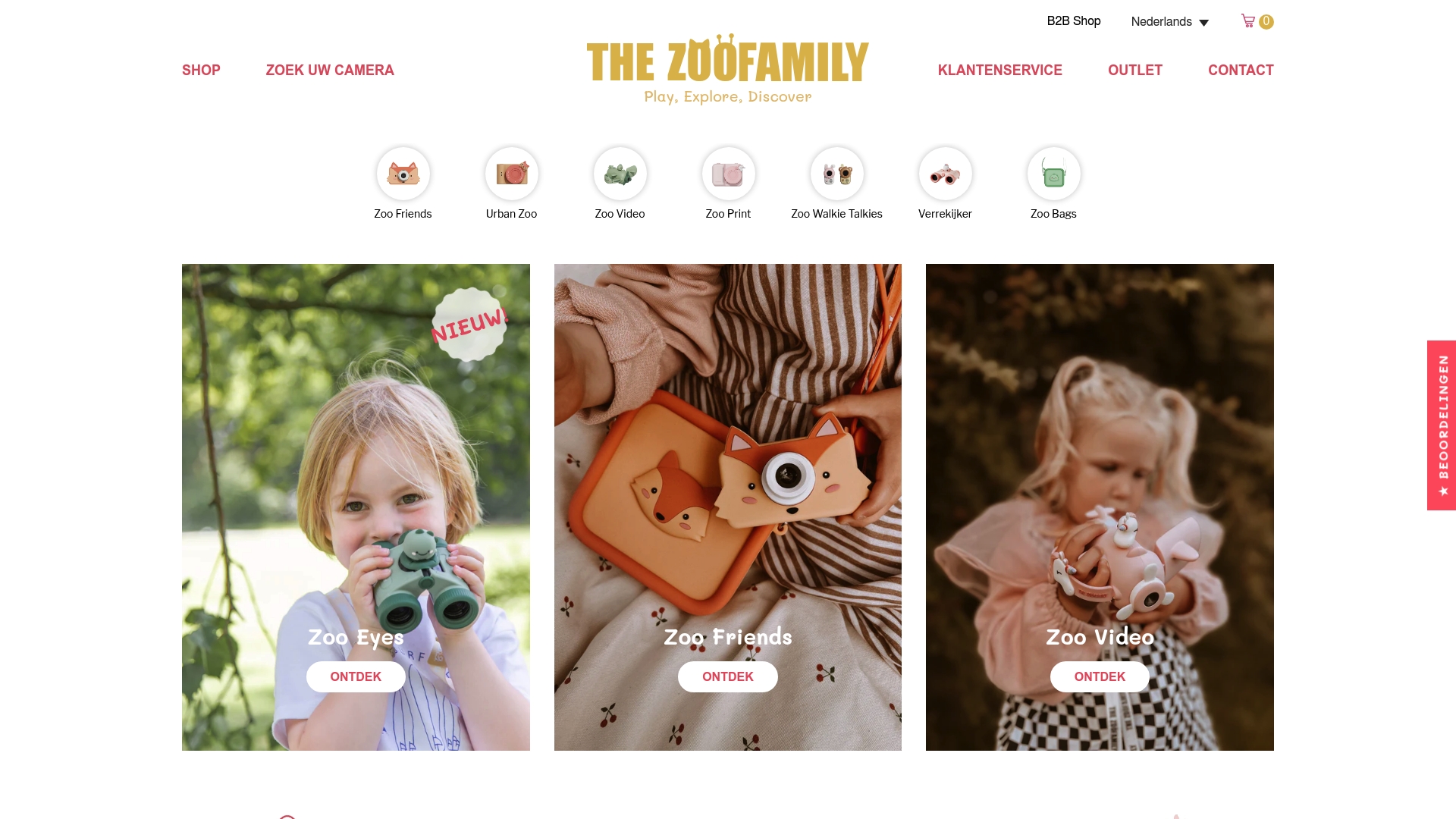
Discover how The Zoofamily supports your child’s outdoor curiosity with expertly designed kids’ cameras, walkie-talkies, and binoculars. Our products feature animal references that spark interest and seamlessly connect kids with nature, making every backyard adventure unforgettable. When you choose to explore with The Zoofamily, you are not only encouraging discovery but also helping restore natural beauty since for every camera sold, we plant a tree. Start your journey today and transform your family’s outdoor time into unforgettable moments by visiting The Zoofamily and exploring our range of nature-inspired tools.
Elevate your child’s nature play and empower them to become passionate environmental guardians. Dive into more creative connections that make learning fun and meaningful by joining us at The Zoofamily.
Frequently Asked Questions
How can I start a mini-beast safari in my backyard?
To start a mini-beast safari, gather basic supplies like a magnifying glass, clear container, and a notebook. Encourage kids to observe insects and small creatures respectfully and document their findings.
What materials do I need for nature art projects using leaves and stones?
For nature art projects, collect materials such as fallen leaves, stones, and twigs. Plan projects like leaf mandalas or stone stacking sculptures to spark creativity and appreciation for natural beauty.
How do I organize a sound hunt in my backyard?
To organize a sound hunt, create a checklist of sounds for children to identify, such as bird chirps or wind rustling through leaves. Guide kids to listen carefully and mark off each sound they hear to enhance their auditory observation skills.
What items should I include in a sensory walk exploration checklist?
Include items such as finding something soft, listening for bird sounds, and observing different textures in your sensory walk exploration checklist. This encourages children to engage their senses while discovering the environment around them.
How do I create a bug hotel for insect observation?
To create a bug hotel, gather natural materials like bamboo sticks, pine cones, and dry leaves. Assemble them into a wooden box or container to attract various insects, turning your backyard into a living science laboratory.
What are fun ideas for a family-friendly nature scavenger hunt?
For a nature scavenger hunt, prepare a checklist with items like unique flowers, different leaf shapes, and interesting rocks. Involve the whole family in searching for these items, making it an exciting adventure filled with learning and exploration.