

You wipe the floor clean, convinced the fresh scent means safety. Yet many ‘natural’ floor cleaners still contain hidden toxins that threaten your child’s health and pollute waterways. This guide reveals how to identify truly safe, eco-friendly floor cleaners that deliver 95-99% cleaning power without compromising your family’s wellbeing or the planet’s future.
Table of Contents
- Why Choose Eco-Friendly Floor Cleaners?
- Health Risks of Conventional Floor Cleaners and Importance of Non-Toxic Formulas
- Effective and Safe Ingredients in Eco-Friendly Floor Cleaners
- Certifications and Standards for Eco-Friendly Floor Cleaners
- Common Misconceptions About Eco-Friendly Floor Cleaners
- Sustainability in Packaging and Usage Formats
- Choosing and Using Eco-Friendly Floor Cleaners: Practical Tips
- Conclusion: Towards Healthier Homes and a Sustainable Future
- Explore Eco-Friendly Family Products at The Zoofamily
Key Takeaways
| Point | Details |
|---|---|
| Avoid harmful chemicals | Phthalates, chlorine, and parabens in conventional cleaners cause respiratory issues and endocrine disruption in children. |
| Plant-based efficacy | Modern eco-friendly formulas achieve 95-99% cleaning performance while remaining fully biodegradable. |
| Trust certifications | EWG A-rating and EU Ecolabel verify ingredient safety and environmental standards rigorously. |
| Choose sustainable packaging | Refillable and concentrated formats reduce plastic waste by over 50% compared to single-use bottles. |
| Question ‘natural’ labels | Many products labeled natural still contain allergens or toxins without third-party verification. |
Why Choose Eco-Friendly Floor Cleaners?
Conventional floor cleaners often contain chemicals that jeopardize both your child’s health and the environment. European parents increasingly prioritize indoor air quality, child safety, and sustainability when selecting household products. The eco-friendly cleaning products market is growing globally at a CAGR of 10%, with USD 14.3 billion market size in 2026, reflecting this shift in consumer values.
Your floors see constant contact with crawling babies, barefoot toddlers, and dropped snacks. Traditional cleaners leave residues that children absorb through skin contact and inhalation. These substances accumulate in young bodies, potentially triggering allergies, asthma, and developmental concerns.
The demand for verified safe and biodegradable products is rising rapidly across Europe. Over 71% of consumers now willingly pay premium prices for sustainable cleaning solutions that protect families and ecosystems. This trend reflects growing awareness that household choices directly impact both immediate health outcomes and long-term environmental legacy.
Key benefits of eco-friendly floor cleaners include:
- Elimination of toxic chemical exposure for children and pets
- Protection of waterways through biodegradable formulations
- Improved indoor air quality without synthetic fragrances
- Reduced carbon footprint through sustainable production methods
- Support for companies committed to environmental responsibility
Health Risks of Conventional Floor Cleaners and Importance of Non-Toxic Formulas
Traditional floor cleaners harbor substances that pose serious health threats, especially to children whose developing bodies process toxins differently than adults. Exposure to chemicals like phosphates, sulfates, chlorine, parabens can cause respiratory issues, endocrine disruption, and developmental toxicity in children. These compounds persist in indoor environments long after cleaning, creating ongoing exposure risks.
Phthalates, commonly found in synthetic fragrances, disrupt hormone function and may affect reproductive development. Chlorine compounds release volatile organic compounds that irritate airways and exacerbate asthma symptoms. Parabens, used as preservatives, mimic estrogen in the body and accumulate over time.
Children face heightened vulnerability because they breathe faster than adults, spend more time on floors, and frequently put hands and objects in their mouths. Their immune and neurological systems are still developing, making them more susceptible to chemical damage. Even low-level chronic exposure can result in cumulative health impacts.
Non-toxic formulas eliminate these dangers while maintaining cleaning effectiveness. They use ingredients that break down naturally without leaving harmful residues. This approach protects your family’s immediate health and contributes to cleaner air and water in your community.
Common toxic ingredients to avoid include:
- Phthalates hidden in fragrance formulations
- Quaternary ammonium compounds causing skin irritation
- 2-butoxyethanol linked to liver and kidney damage
- Formaldehyde releasers preserving product shelf life
- Triclosan disrupting thyroid hormone regulation
Effective and Safe Ingredients in Eco-Friendly Floor Cleaners
Plant-based cleaning agents deliver powerful results without toxic side effects. Plant-based enzymes and surfactants achieve 95-99% cleaning efficacy, avoiding petrochemicals and reducing aquatic toxicity. These natural compounds break down dirt, grease, and grime through biological mechanisms that mirror nature’s own cleaning processes.
Enzymes like proteases and lipases target specific soil types, breaking molecular bonds to lift stains effectively. Surfactants derived from coconut oil and other plant sources reduce water surface tension, allowing cleaning solutions to penetrate and remove dirt. Unlike synthetic alternatives, these ingredients biodegrade rapidly without accumulating in ecosystems.
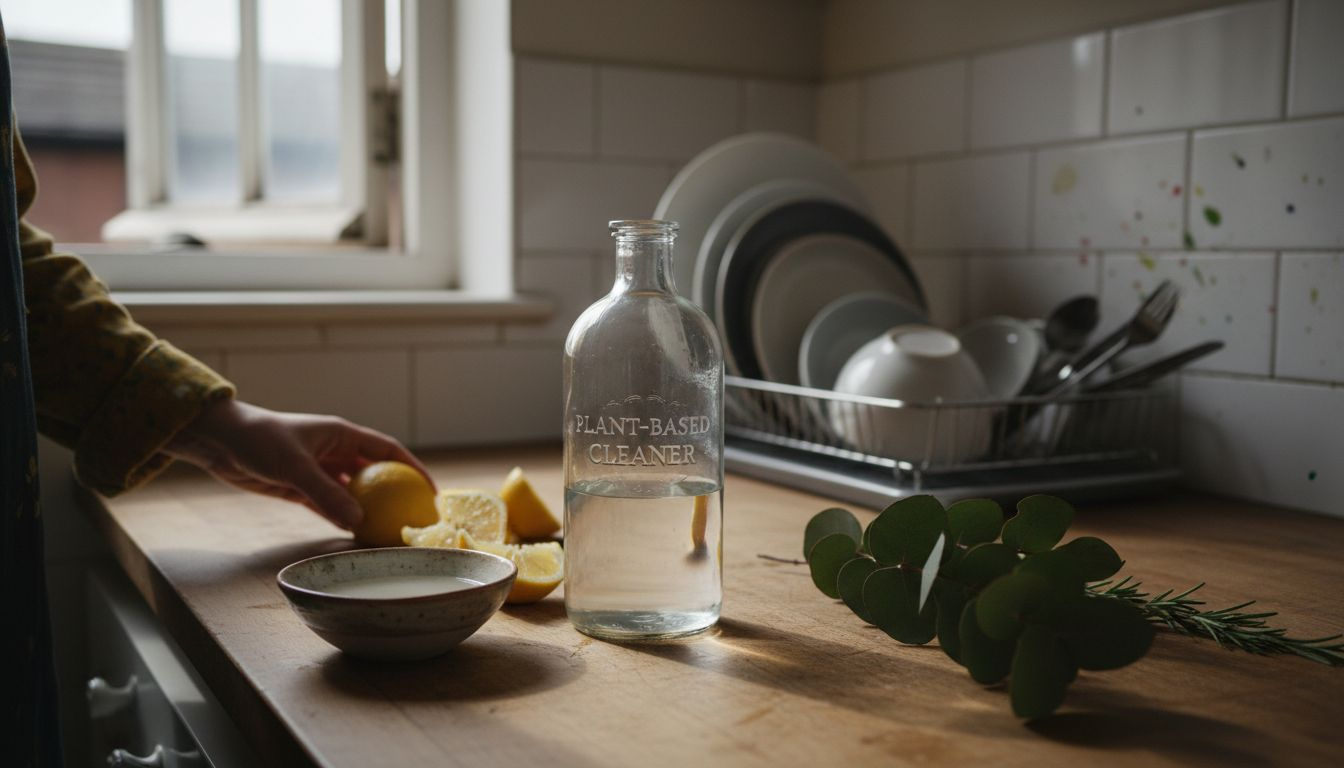
Aunt Fannie’s Vinegar Wash uses plant-based ingredients and essential oils achieving EWG A-rating with effective cleaning on multiple floor types. This demonstrates how modern formulations balance safety with performance, meeting rigorous third-party standards while delivering results families expect.
The science behind eco-friendly cleaning ingredient science reveals how natural compounds match or exceed conventional cleaner performance. When paired with proper tools like those discussed in choosing eco-friendly mops, these formulas create comprehensive cleaning systems.
| Cleaner Type | Cleaning Efficacy | Biodegradability | Toxic Residue |
|---|---|---|---|
| Plant-based | 95-99% | Complete within 28 days | None |
| Conventional | 97-100% | Partial or none | Significant |
| Vinegar-based | 90-95% | Immediate | None |
Pro Tip: Always verify ingredient lists and prefer products with transparent labeling that lists every component rather than hiding substances under terms like ‘fragrance’ or ‘proprietary blend’.
Certifications and Standards for Eco-Friendly Floor Cleaners
Reputable certifications help you distinguish genuinely safe products from greenwashed marketing claims. EWG A-rating signals rigorous safety assessment for family use, evaluating ingredients against health databases and scientific research. Products earning this designation contain no known or suspected hazards and maintain full ingredient transparency.
The EU Ecolabel ensures sustainability throughout product lifecycle, including biodegradable ingredients, reduced packaging waste, and limited environmental impact during manufacturing. This certification requires companies to meet strict criteria verified through independent testing, not self-reported claims.
Certification bodies examine ingredient sourcing, production methods, packaging materials, and disposal impacts. They also verify cruelty-free standards, ensuring no animal testing occurred during development. This comprehensive approach gives you confidence that certified products align with your values.
Understanding these labels prevents falling for greenwashing tactics where companies use vague environmental claims without substantiation. Learning about eco-friendly cleaner certifications and guidance for eco certifications empowers informed purchasing decisions.
Key certifications to look for include:
- EWG Verified mark confirming ingredient safety
- EU Ecolabel demonstrating lifecycle sustainability
- Leaping Bunny certifying cruelty-free practices
- USDA Biobased Product label showing renewable content
- Nordic Swan Ecolabel for Scandinavian environmental standards
Common Misconceptions About Eco-Friendly Floor Cleaners
Many consumers assume all natural or green-labeled products automatically ensure child safety. This assumption proves dangerously false. Many products labeled ‘natural’ still contain harmful chemicals; certification and ingredient transparency are necessary to verify true safety. Marketing terms like ‘natural’ and ‘green’ lack regulatory definitions, allowing companies to use them liberally.
Another prevalent myth suggests eco-friendly cleaners cannot match conventional product effectiveness. Research contradicts this belief, showing modern plant-based formulas achieve 95-99% efficacy comparable to synthetic alternatives. The performance gap that existed decades ago has closed through improved formulation science.
Some parents mistakenly believe all natural fragrances are safe for children. Essential oils, while plant-derived, can trigger allergic reactions or respiratory irritation in sensitive individuals. Approximately 5% of children react adversely to certain natural fragrances. Fragrance-free options provide safer choices for households with allergies or asthma.
The price premium associated with eco-friendly products deters some buyers who perceive them as luxury items. However, concentrated formulas often deliver more cleaning applications per bottle, offsetting higher upfront costs. When factoring in health benefits and environmental impact, the value proposition strengthens considerably.
Pro Tip: Always check certifications and ingredient lists rather than relying on marketing claims or attractive packaging that suggests environmental friendliness without substantiation.
Sustainability in Packaging and Usage Formats
Packaging choices significantly impact your cleaning routine’s environmental footprint. Refillable, concentrated formats reduce plastic waste by over 50% compared to single-use plastic bottles. Concentrated products require less water transport, lowering carbon emissions during shipping and reducing storage space needs.
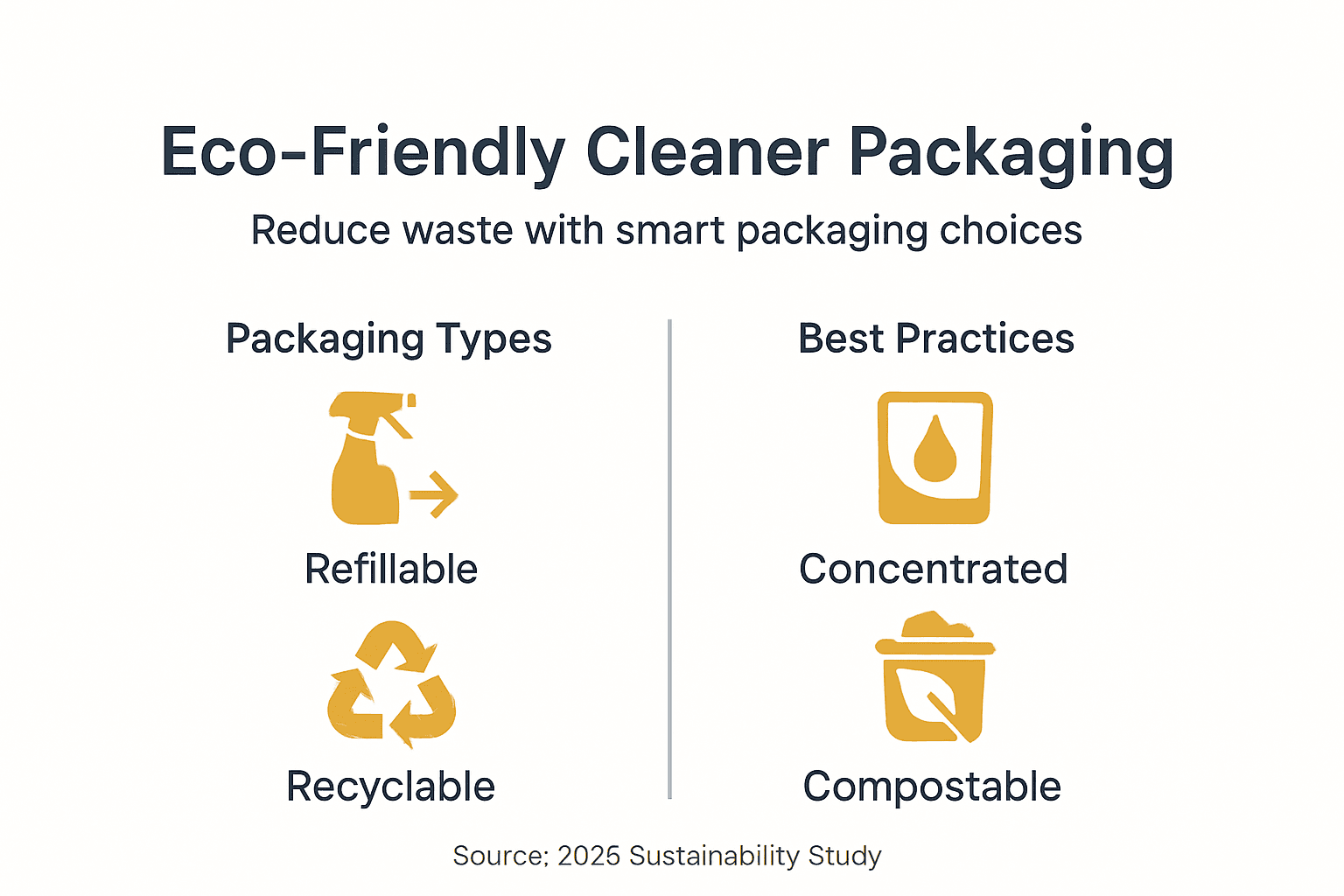
Refillable systems allow you to purchase cleaning solution once in durable containers, then buy concentrated refills in minimal packaging. This approach cuts plastic consumption dramatically while maintaining convenience. Some brands offer subscription services delivering refills directly to your door, eliminating shopping trips.
Manufacturers increasingly adopt recyclable and compostable packaging materials. Glass bottles, aluminum containers, and plant-based plastics offer alternatives to conventional petroleum-based packaging. Post-consumer recycled content in packaging further reduces environmental impact by giving waste materials new purpose.
| Format | Plastic Waste | Annual Cost | Convenience |
|---|---|---|---|
| Single-use bottles | 6-8 bottles | €45-60 | High |
| Concentrated refills | 1-2 containers | €30-40 | Medium |
| Powder concentrates | Minimal packaging | €25-35 | Medium |
Packaging format options include:
- Refillable spray bottles with concentrate refill pouches
- Powder concentrates in compostable paper packaging
- Tablet formats dissolving in water at home
- Bulk purchasing options with personal container fills
- Subscription services optimizing delivery efficiency
Choosing and Using Eco-Friendly Floor Cleaners: Practical Tips
Selecting the right eco-friendly floor cleaner requires matching product formulation to your specific floor type and household needs. Different materials demand different pH levels and cleaning agents to avoid damage while achieving thorough cleaning.
- Identify your floor material and verify cleaner compatibility to prevent dulling, discoloration, or surface degradation.
- Check product certifications including EWG A-rating and EU Ecolabel to confirm independent safety verification.
- Review complete ingredient lists, avoiding products that hide components under vague terms.
- Opt for fragrance-free or hypoallergenic options recommended for households with sensitive children to avoid reactions affecting approximately 5% of children.
- Prefer refillable or concentrated formats to minimize packaging waste and reduce long-term costs.
- Consider purchasing from companies demonstrating commitment to sustainability beyond product formulation.
- Start with small quantities to test effectiveness on your specific flooring before committing to larger purchases.
Hardwood floors require pH-neutral cleaners that won’t strip protective finishes. Tile and stone benefit from slightly alkaline solutions that cut through soap scum and hard water deposits. Laminate flooring needs gentle formulas that clean without excess moisture that could cause warping.
Reading online reviews from parents with similar flooring types and household situations provides practical insights. Look for feedback addressing cleaning performance, scent preferences, packaging quality, and company customer service responsiveness.
The practical eco cleaning tips resource offers additional guidance for implementing sustainable cleaning practices throughout your home.
Pro Tip: Test new cleaner on a small, inconspicuous floor area to check for adverse effects before applying throughout your home, especially on specialty or antique flooring materials.
Conclusion: Towards Healthier Homes and a Sustainable Future
Eco-friendly floor cleaners protect your children’s health while reducing environmental impact. By choosing products with verified safe ingredients and biodegradable formulas, you improve indoor air quality and eliminate toxic exposure risks. These decisions directly benefit your family’s immediate wellbeing.
Using sustainable packaging formats and supporting companies committed to environmental responsibility extends your positive impact beyond your home. Each purchase signals market demand for safer products, encouraging broader industry shifts toward transparency and sustainability.
Informed consumers drive meaningful change by rewarding companies that prioritize health and environmental protection. Your choices today shape the options available to future generations. Adopting eco-friendly cleaning practices creates healthier homes and contributes to planetary restoration, aligning daily actions with values of safety and stewardship.
Explore Eco-Friendly Family Products at The Zoofamily
Building a healthier home extends beyond floor cleaning to encompass all aspects of family life. The Zoofamily offers curated guides and products promoting safer, greener living for families committed to sustainability.
Discover insights on eco-friendly bathroom cleaners guide to expand your non-toxic cleaning routine throughout your home. Learn about complementary tools in our eco-friendly mops insights to maximize cleaning effectiveness while minimizing environmental impact.
Explore natural playground ideas for kids that connect children with nature, fostering environmental awareness from early ages. The Zoofamily supports your journey to a sustainable, healthy home where your family thrives and the planet benefits from your thoughtful choices.
FAQ
Are eco-friendly floor cleaners truly safe for children?
Yes, when choosing products with recognized certifications like EWG A-rating and verified ingredient transparency, eco-friendly cleaners are safe for children. These formulas eliminate toxic chemicals that conventional cleaners contain, protecting developing bodies from harmful exposure.
Can eco-friendly floor cleaners clean as effectively as conventional ones?
Modern plant-based cleaners achieve 95-99% cleaning efficacy comparable to conventional products without harmful residues. Advances in formulation science have closed historical performance gaps, delivering results families expect.
How can I reduce allergenic risks using eco-friendly floor cleaners?
Choose fragrance-free or hypoallergenic products to minimize allergic reactions, especially for children sensitive to natural oils. Approximately 5% of children experience adverse reactions to certain essential oils and fragrances.
What should I look for in eco-friendly floor cleaner packaging?
Prefer refillable, concentrated formats with recyclable or compostable packaging to significantly reduce plastic waste. These options cut packaging waste by over 50% while often providing better long-term value through concentrated formulations.
Do all ‘natural’ labeled products meet safety standards?
No, many products labeled natural still contain allergens or toxins without third-party verification. Always check for independent certifications like EWG Verified or EU Ecolabel rather than trusting marketing claims alone.