

Turning your garden into a haven for wildlife sounds ambitious, especially if you have limited space or young children at home. Yet surprisingly, every garden—no matter the size—can hold the key to attracting an incredible variety of creatures. In fact, sunlight exposure dictates which plants and animals will thrive, making even the smallest patch bursting with potential for biodiversity if you know how to harness it.
Table of Contents
- Step 1: Evaluate Your Outdoor Space For Wildlife Potential
- Step 2: Select Native Plants That Attract Beneficial Creatures
- Step 3: Incorporate Water Sources To Support Wildlife
- Step 4: Create Habitats With Bug Hotels And Bird Feeders
- Step 5: Involve Your Children In Garden Maintenance Activities
- Step 6: Monitor Wildlife Activity And Adjust Your Garden Design
Quick Summary
| Key Point | Explanation |
|---|---|
| 1. Assess your garden’s wildlife potential | Observe sunlight, soil, and existing plants to identify what wildlife your space can support. |
| 2. Choose native plants wisely | Select indigenous plants that provide food and habitat for local wildlife, enhancing ecosystem health. |
| 3. Introduce diverse water sources | Create accessible water points to attract various wildlife and ensure they meet their hydration needs. |
| 4. Build bug hotels and bird feeders | Construct habitats that offer shelter and food, encouraging biodiversity and engaging children in nature. |
| 5. Involve children in garden maintenance | Engage kids in garden care activities to foster ecological understanding and a connection with nature. |
Step 1: Evaluate Your Outdoor Space for Wildlife Potential
Transforming your garden into a wildlife friendly sanctuary begins with a thoughtful assessment of your existing outdoor space. Before diving into plantings and habitat creation, you need to understand the current landscape and potential it holds for supporting local wildlife. Every garden, regardless of size, can become a vibrant ecosystem that attracts and nurtures various creatures.
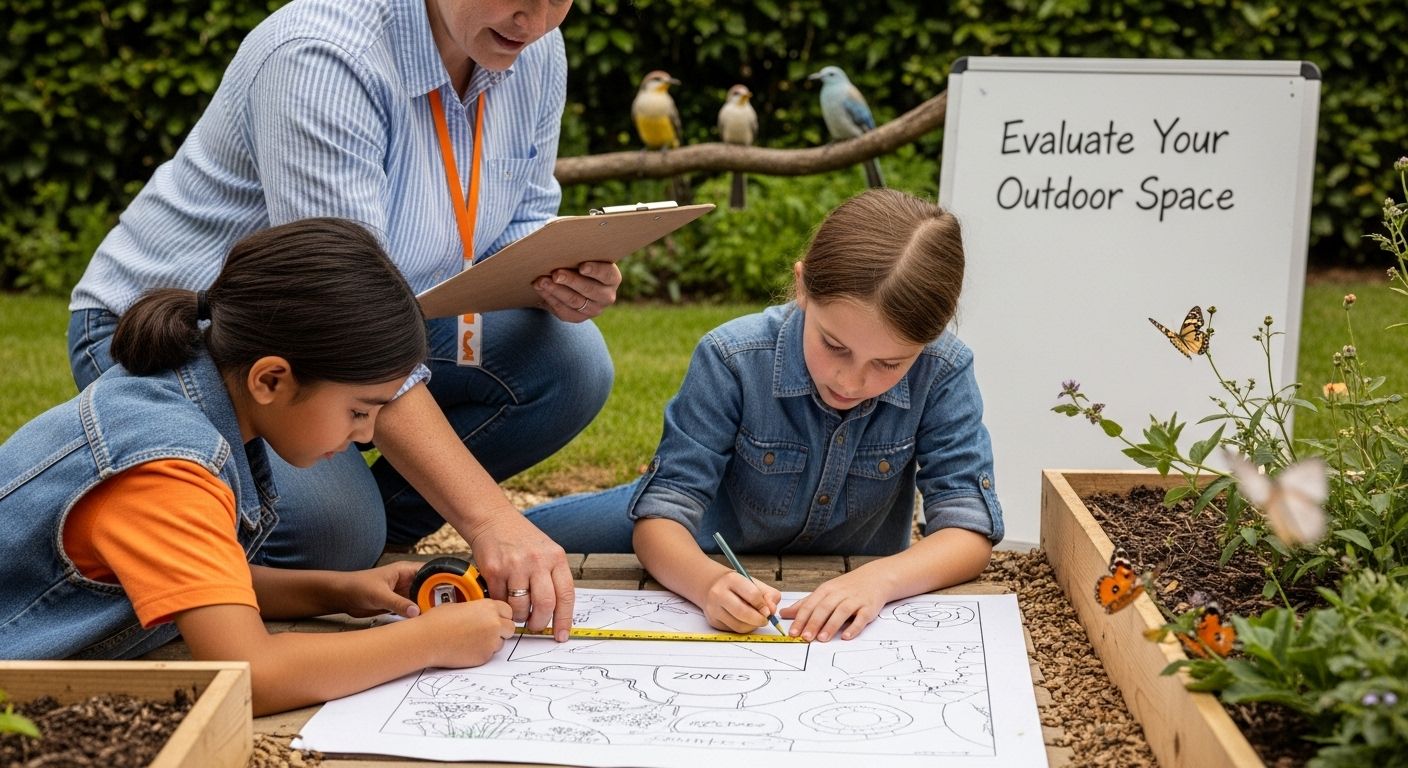
Start by carefully observing your garden’s current characteristics. Note the amount of sunlight different areas receive throughout the day, existing plant life, soil conditions, and potential sheltered zones. Sunlight exposure determines which plants will thrive and consequently which wildlife you can attract. Areas with partial shade might support different species compared to full sun locations. Take measurements and sketch a basic garden layout, marking sunny, partially shaded, and shaded regions.
Consider your garden’s existing features as potential wildlife resources. An old wooden fence can provide nesting spots for insects, while a small pile of stones might create shelter for hedgehogs or lizards. Water sources are particularly attractive to wildlife, so examine whether you have natural drainage areas, potential spots for a small bird bath, or areas where moisture naturally accumulates. Learn more about creating wildlife habitats by understanding how natural landscape elements support local ecosystems.
Assess your garden’s soil type and drainage patterns. Clay soils retain more moisture and support different plant life compared to sandy or loamy soils. Take a small soil sample and observe how quickly water drains after rainfall. This information will help you select appropriate native plants that naturally thrive in your specific environment and attract local wildlife species.
Finally, document your observations systematically. Create a simple garden notebook or digital file where you record:
- Sunlight exposure zones
- Existing plant species
- Potential shelter areas
- Soil characteristics
- Current wildlife observations
This baseline assessment provides a comprehensive understanding of your garden’s wildlife potential, setting the stage for deliberate and effective habitat creation in subsequent steps of your wildlife friendly garden journey.
Step 2: Select Native Plants That Attract Beneficial Creatures
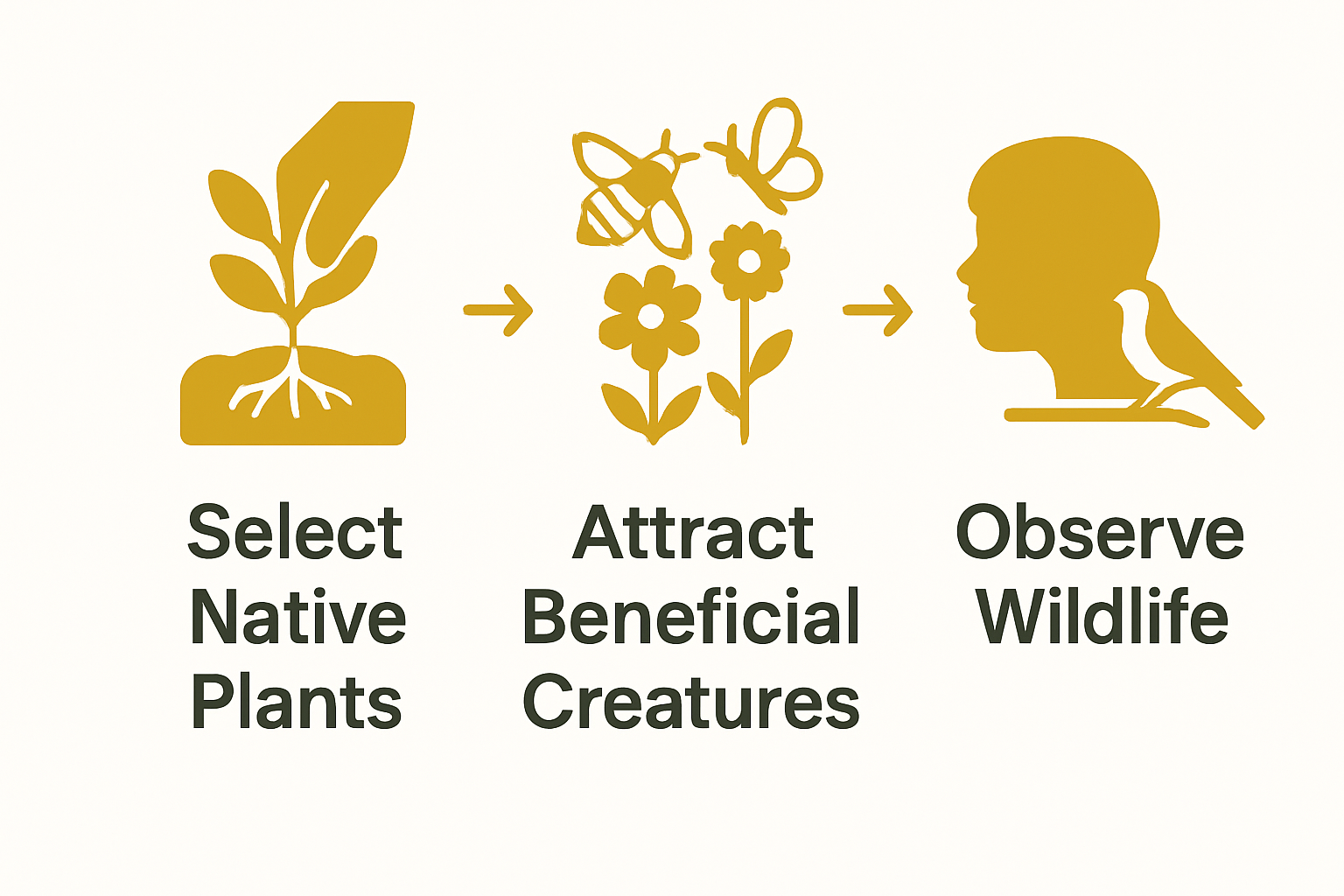
After evaluating your garden’s landscape, the next crucial step in creating a wildlife friendly garden is selecting native plants that will naturally attract and support local beneficial creatures. Native plants are the backbone of a thriving ecosystem, providing food, shelter, and breeding grounds for various wildlife species.
Understanding native plant selection is more than aesthetic gardening. Each plant you choose serves a specific ecological function. Focus on plants indigenous to your local region, which have evolved alongside native insects, birds, and small mammals. These plants offer the most suitable nectar, pollen, seeds, and habitat structures that local wildlife depends on for survival. Explore native plant resources to identify species perfectly suited to your specific environment.
Consider creating a multi-layered planting strategy that mimics natural woodland ecosystems. Start with ground cover plants like native grasses and wildflowers that provide food and shelter for insects. Next, incorporate shrubs that offer berries and dense branching for bird nesting. Taller trees can provide additional canopy cover and serve as critical habitats for numerous species. Diversity is key - aim to include plants that bloom and produce resources at different times throughout the year.
Pay special attention to plants that support pollinators like bees, butterflies, and moths. Species such as mountain mint, milkweed, and native asters not only beautify your garden but also provide essential nutrition for these crucial ecosystem contributors. Avoid plants treated with chemical pesticides, as these can harm beneficial insects and disrupt the delicate balance of your wildlife garden.
Verify your plant selection by monitoring garden activity. A successful native plant strategy will gradually attract increasing numbers of beneficial creatures. Look for signs such as:
- Increased butterfly and bee populations
- Bird nesting activities
- Diverse insect populations
- Healthy plant growth without extensive intervention
Remember that building a wildlife friendly garden is a patient, incremental process. Each native plant you introduce represents a small but significant contribution to local biodiversity and ecosystem restoration.
Step 3: Incorporate Water Sources to Support Wildlife
Water is the lifeblood of any wildlife friendly garden, transforming your outdoor space from a simple green area into a vibrant ecosystem that supports numerous creatures. Introducing water sources provides essential hydration, bathing opportunities, and habitat for various wildlife species, making it a critical component of your garden’s biodiversity strategy.
Strategic water placement matters more than elaborate design. Start by selecting locations that offer both accessibility and safety for wildlife. Ideal water sources should be visible from multiple garden areas but positioned near protective vegetation that allows animals to quickly retreat if they feel threatened. Learn about creating wildlife water habitats to understand the nuanced requirements of different species.
Consider creating multiple water features with varying characteristics. A shallow birdbath can attract feathered visitors, while a small rock-lined puddle or shallow basin with gradual edges provides drinking spots for smaller creatures like insects and ground-dwelling animals. The key is creating diverse water access points that cater to different wildlife needs. Incorporate rough-textured edges and slightly uneven surfaces to help creatures enter and exit safely, mimicking natural water environments.
Maintenance is crucial for keeping your water sources healthy and attractive to wildlife. Clean birdbaths and water containers regularly to prevent algae growth and mosquito breeding.
Position your water features where they receive partial sunlight to discourage excessive algae development while keeping the water from becoming too hot. During warmer months, consider adding a small dripper or mister that creates movement, which naturally attracts more wildlife and keeps the water fresh.
Verify the effectiveness of your water sources by observing wildlife interactions. A successful water feature will show signs of regular use, such as:
- Multiple species visiting throughout the day
- Evidence of bathing and drinking activities
- Insects and small creatures using the water
- Tracks or subtle signs of wildlife around the water source
Remember that patience is essential. Wildlife will gradually discover and start using these water sources as they become established features of your garden ecosystem. Each small water feature represents a critical lifeline for local creatures, supporting their survival and enhancing your garden’s biodiversity.
Step 4: Create Habitats with Bug Hotels and Bird Feeders
Transforming your wildlife friendly garden into a bustling ecosystem requires creating specific habitats that support and attract different creatures. Bug hotels and bird feeders serve as critical infrastructure, providing shelter, breeding spaces, and supplemental nutrition for various wildlife species. These structures not only support local biodiversity but also offer fascinating learning opportunities for children to observe and interact with nature.
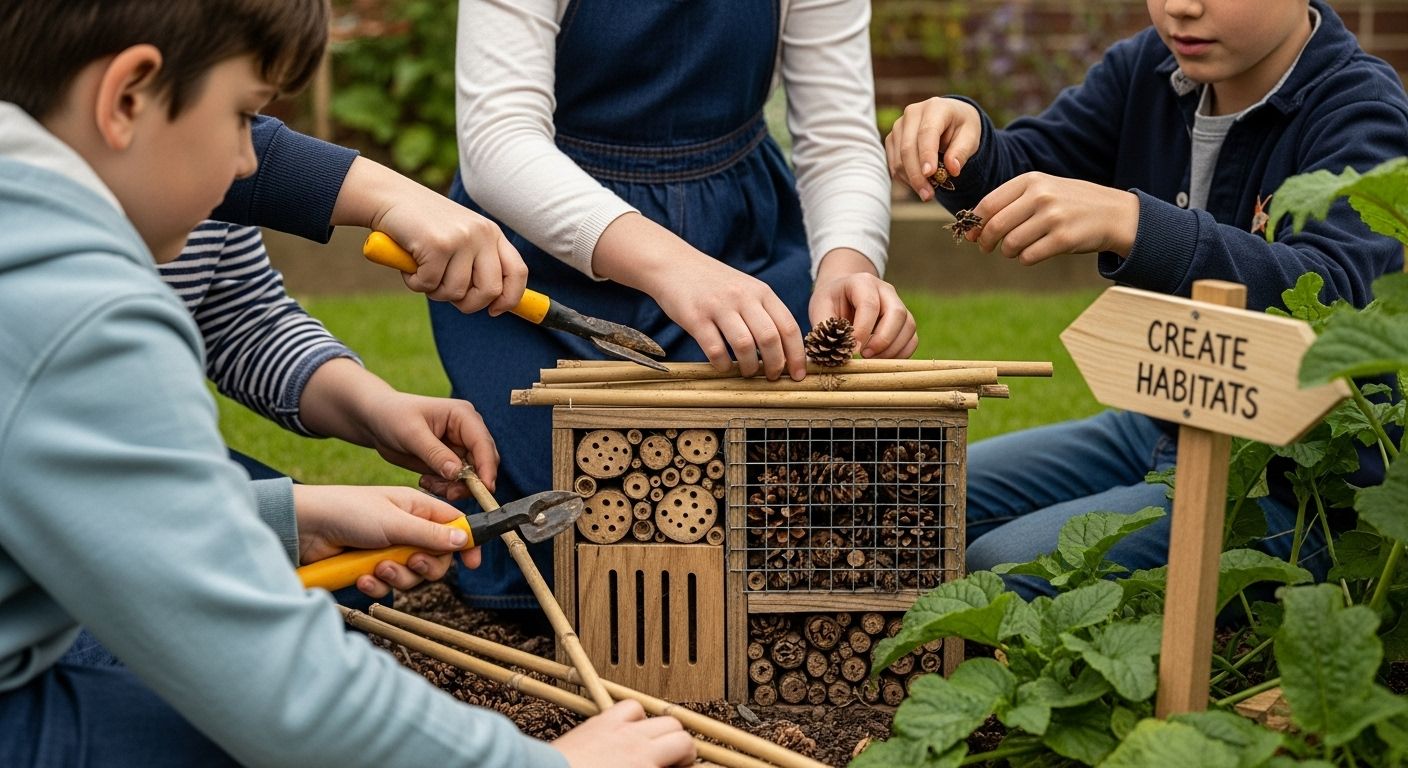
Constructing bug hotels requires thoughtful material selection. Use natural materials like hollow bamboo canes, untreated wood, pine cones, and dried plant stems to create complex, layered shelters that mimic natural environments. Position your bug hotel in a sheltered location, slightly angled to prevent water accumulation, with protection from direct wind and rain. Discover ecological shelter designs that support different insect species and their unique habitat requirements.
Bird feeders demand similar strategic considerations. Select feeders that accommodate various bird species and can be easily cleaned to prevent disease transmission. Place feeders at different heights to attract diverse bird populations, ensuring they are near protective vegetation that allows birds to quickly retreat if threatened. Consider using multiple feeder types with different seed mixtures to attract a wider range of feathered visitors. Rotate and clean feeders regularly, and position them where children can safely observe bird activities without disturbing the animals.
Engaging children in the construction process transforms these habitat-building activities into interactive learning experiences. Encourage them to help collect materials, understand the purpose of each component, and observe the wildlife that gradually begins to inhabit these new spaces. Teach them about different insects, their roles in the ecosystem, and the importance of providing safe spaces for these often-overlooked creatures.
Verify the success of your habitat creation by monitoring wildlife interactions. Look for signs such as:
- Increased insect diversity around bug hotels
- Regular bird visitations to feeding stations
- Evidence of nesting or shelter usage
- Children’s growing excitement about wildlife observations
Remember that habitat creation is an ongoing process. Each bug hotel and bird feeder represents a small but significant contribution to local ecosystem restoration, inviting children to develop a deeper connection with the natural world around them.
Step 5: Involve Your Children in Garden Maintenance Activities
Engaging children in wildlife garden maintenance transforms a simple outdoor space into an interactive learning environment that nurtures both ecological understanding and family connection. By involving kids in regular garden care, you create opportunities for hands-on education, responsibility, and a deep appreciation for natural ecosystems.
Assigning age-appropriate tasks is crucial for maintaining children’s interest and garden health. Younger children can help with simple activities like watering plants using small watering cans, collecting fallen branches, or identifying different insects. Older children might take on more complex responsibilities such as weeding, mulching, and monitoring the health of bug hotels and bird feeders. Discover fun learning activities that make garden maintenance an exciting adventure for children of all ages.
Create a garden maintenance routine that feels like an enjoyable family activity rather than a chore. Develop a visual tracking system where children can mark completed tasks, such as a colorful chart showing weekly garden responsibilities. Rotate responsibilities to keep the activities fresh and engaging, allowing each child to experience different aspects of garden care. Teach them about the interconnectedness of plants, insects, and wildlife, explaining how their maintenance work directly supports the garden ecosystem.
Safety and proper technique are essential when involving children in garden maintenance. Provide child-sized gardening tools with comfortable grips, teach proper handling techniques, and always supervise their activities. Explain the importance of gentle handling when working around delicate plants and wildlife habitats. Encourage children to wear appropriate protective clothing, such as gardening gloves and closed-toe shoes, and teach them about potential garden hazards like thorny plants or stinging insects.
Verify the success of your child involvement strategy by observing:
- Increased enthusiasm for garden activities
- Improved understanding of ecological processes
- Growing confidence in garden maintenance skills
- Visible improvements in garden health and wildlife interactions
Remember that the goal is not perfection but engagement. Small mistakes are part of the learning process, and each garden maintenance session is an opportunity to nurture your children’s curiosity, responsibility, and connection with the natural world.
Below is an at-a-glance checklist table to help you verify successful wildlife-friendly garden creation by monitoring for key outcomes.
| Verification Step | What to Look For | Example Observation |
|---|---|---|
| Butterfly and bee populations | Increase in pollinators in the garden | Regular butterfly and bee visits |
| Bird activity | Birds nesting or feeding | Birds seen using feeders or nesting |
| Insect diversity | Different insect species in bug hotels | Varying insects within shelters |
| Children’s enthusiasm and engagement | Active participation and growing interest | Child suggests garden activities |
| Garden health | Healthy plant growth and less intervention | Rich foliage, minimal pest issues |
| Wildlife use of water sources | Drinking, bathing or presence of tracks | Birds bathing, paw prints around water |
| Success after adjustments | New or more varied wildlife appearances | New bird or insect spotted post-change |
Step 6: Monitor Wildlife Activity and Adjust Your Garden design
Monitoring wildlife activity transforms your garden into a dynamic, living laboratory where scientific observation meets childhood curiosity. By carefully tracking the interactions between creatures and their habitat, you create an opportunity for continuous learning and garden adaptation that keeps both wildlife and children engaged.
Systematic observation requires consistent and creative documentation strategies. Establish a family wildlife journal where children can record their discoveries, sketch animal tracks, note bird species visiting feeders, and document seasonal changes. Explore wildlife monitoring techniques that make scientific observation fun and accessible for young naturalists. Use simple tools like notebook, pencils, basic field guide, and smartphone camera to capture and categorize wildlife interactions.
Design your monitoring approach to be both structured and flexible. Set up specific observation times, perhaps weekly or monthly, where family members collectively review garden wildlife activity. Consider creating a visual tracking board where different wildlife sightings can be mapped and counted. Pay attention to which habitats attract the most diverse creatures, which feeding stations receive regular visits, and how different garden zones support various species throughout seasonal changes.
Adjusting your garden design should be an iterative process based on your observations. If certain areas remain unexplored by wildlife, investigate why. Perhaps additional native plants, subtle changes in water source placement, or modifications to existing bug hotels could improve habitat attractiveness. Involve children in problem-solving discussions about potential garden improvements, encouraging them to develop critical thinking skills and ecological understanding.
Verify the effectiveness of your monitoring and adaptation process by tracking:
- Increased wildlife diversity
- More complex ecosystem interactions
- Children’s growing understanding of ecological processes
- Successful habitat modifications
Remember that wildlife garden development is a patient, long-term project. Each small adjustment contributes to creating a more vibrant, interconnected ecosystem that supports local biodiversity and nurtures children’s natural curiosity about the living world around them.
Bring Your Wildlife Garden to Life with The Zoofamily
Creating a wildlife friendly garden for children is a wonderful way to connect your family to nature. If you have ever wished for your kids to truly explore, observe, and fall in love with local wildlife in your own outdoor space, you know the challenges. Perhaps your children are curious, but lack the right tools to document their discoveries. Maybe you want to nurture their interest in birds, insects, and habitats but struggle to make the outdoors truly engaging. The article highlighted how children thrive when they participate in monitoring wildlife activity, recording observations, and using practical tools like binoculars, cameras, and journals. These moments do not just foster learning. They spark lifelong curiosity and care for the planet.
Let The Zoofamily help you transform your garden adventure into lasting memories. Our range of kids’ cameras, walkie-talkies, and binoculars is designed specifically to fuel your child’s passion for nature. Each product features inspiring animal references, turning every garden exploration into a fun discovery mission. Plus, with every camera purchased, we plant a tree to support natural ecosystems for future generations. Visit The Zoofamily now and get the perfect gear to make your wildlife garden truly come alive this season. Watch your child become a true defender of the wild every time they step outside.
Frequently Asked Questions
How can I assess my garden’s potential for wildlife?
Start by observing sunlight exposure, existing plants, soil conditions, and sheltered areas. Document your findings to understand your garden’s landscape and its wildlife potential.
What types of native plants should I include to attract wildlife?
Choose plants that are indigenous to your region, providing food and shelter for local insects, birds, and small mammals. Include a mix of ground covers, shrubs, and trees that bloom at different times of the year for continuous support.
How can I create effective water sources for wildlife in my garden?
Introduce shallow birdbaths or small rock-lined puddles in safe, visible locations. Ensure the edges are rough-textured for easy access, and keep the water clean to prevent mosquito breeding and to maintain attraction for wildlife.
What should I consider when building bug hotels and bird feeders?
Use natural materials for bug hotels and ensure bird feeders are easily cleaned. Position them at different heights and in sheltered spots to protect wildlife. Regular maintenance is key to encouraging regular visits from both insects and birds.